Read More








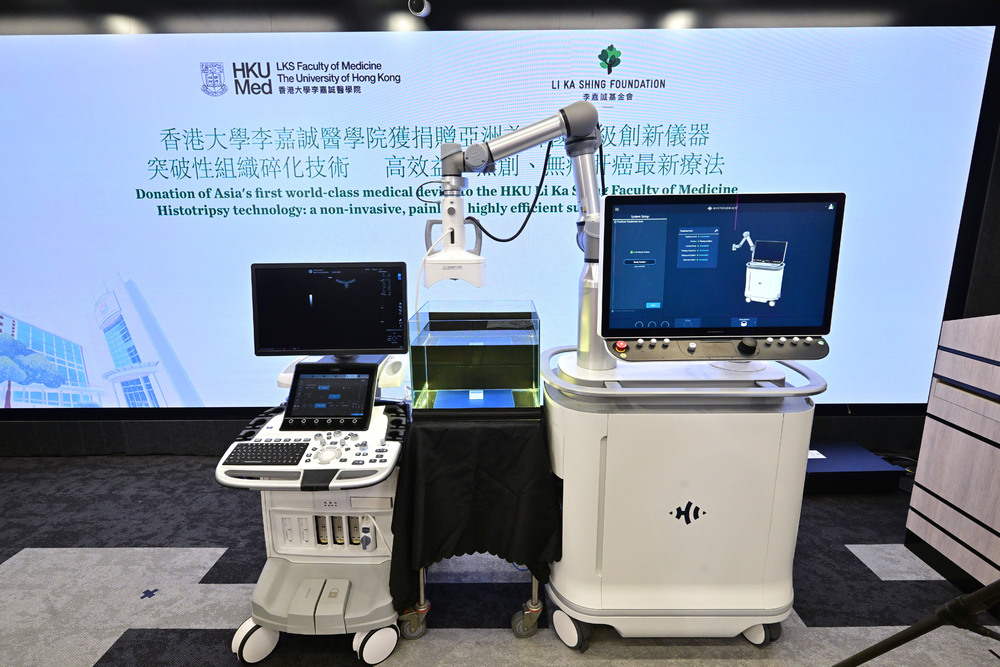
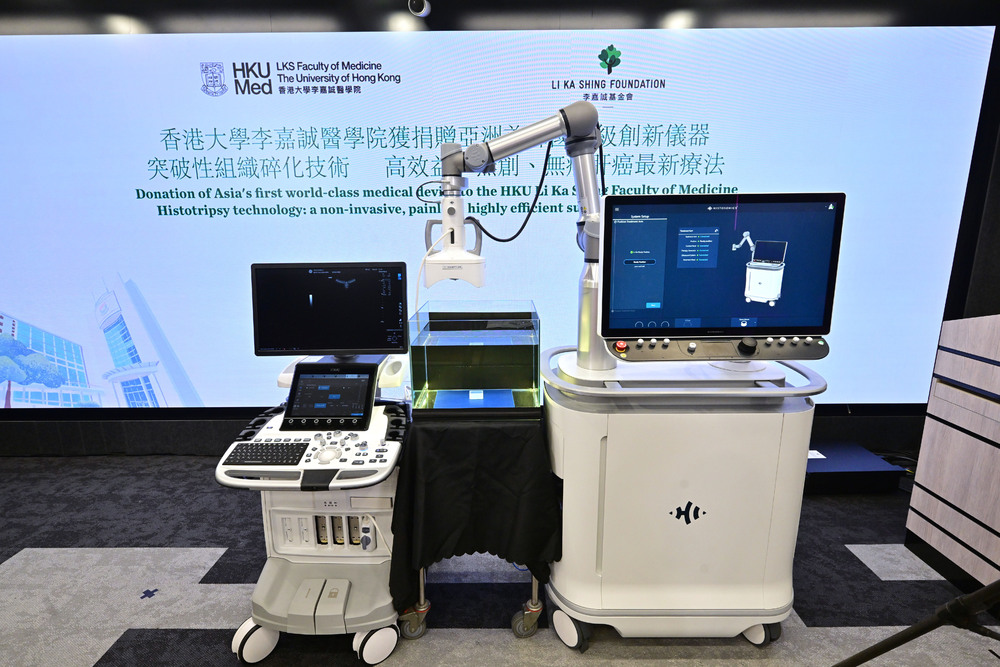
All three histotripsy machines donated by the Li Ka Shing Foundation will be used in private hospitals, with Hong Kong Sanatorium & Hospital (HKSK) charging a starting price of HK$308,000 for liver cancer treatment.
It is known that two of the histotripsy devices, which were previously donated to the city’s two medical schools for research on treating liver cancer patients, have been transferred to Gleneagles Hospital and CUHK Medical Centre.
Sources told Sing Tao Daily, a sister publication of The Standard, that the foundation has funded more patients than initially committed, noting a success rate for treatments in Hong Kong.
With the earlier donation to HKSK, all three histotripsy devices in the city will all be allocated to private hospitals.
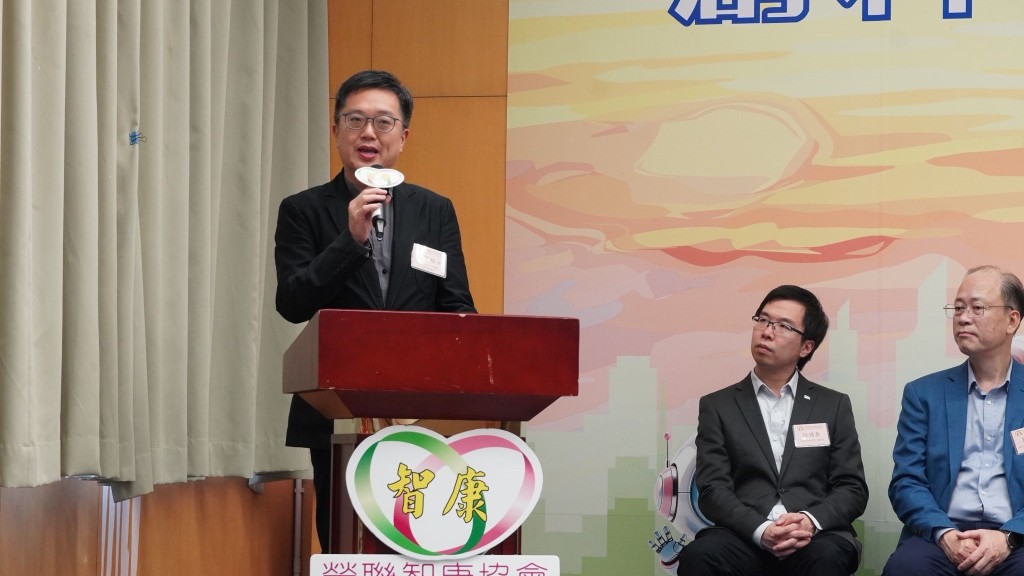
Noting the treatment provided by HKSK starts at HK$308,000, Tim Pang Hung-cheong, an advocate from the Society for Community Organization, stated that grassroots citizens and long-term patients may not afford this price and urged the Hospital Authority to explore options for broader access to the technology.
Regarding the possibility of establishing additional funding spots, sources indicated that no decision has been made yet.
They also noted the decision to transfer the devices was due to public hospitals not promptly expanding the treatment scope to general patients.
Luk Che-chung, former chief executive of the HA’s Hong Kong East area, said on a radio program on Wednesday that public hospitals must consider staffing, budgets and clinical data when introducing new devices.
He noted that the process may take longer due to the involvement of public funds.
Currently, the histotripsy device at the Chinese University of Hong Kong is still in use at Prince of Wales Hospital and is expected to be transferred to CUHK Medical Centre after reaching a certain level of research progress.
The University of Hong Kong stated that its research team has been conducting clinical trials at Queen Mary Hospital since September 2024, treating 40 patients, and the research project is still ongoing.
(Cheng Wong)