Read More




Night Recap - October 23, 2026
15 hours ago







Late police constable Chu Chun-kwok to receive full honors funeral on Fri
22-10-2026 15:33 HKT
Kyle Kennedy, granddaughter of Robert F. Kennedy, dies at 42
22-10-2026 04:11 HKT


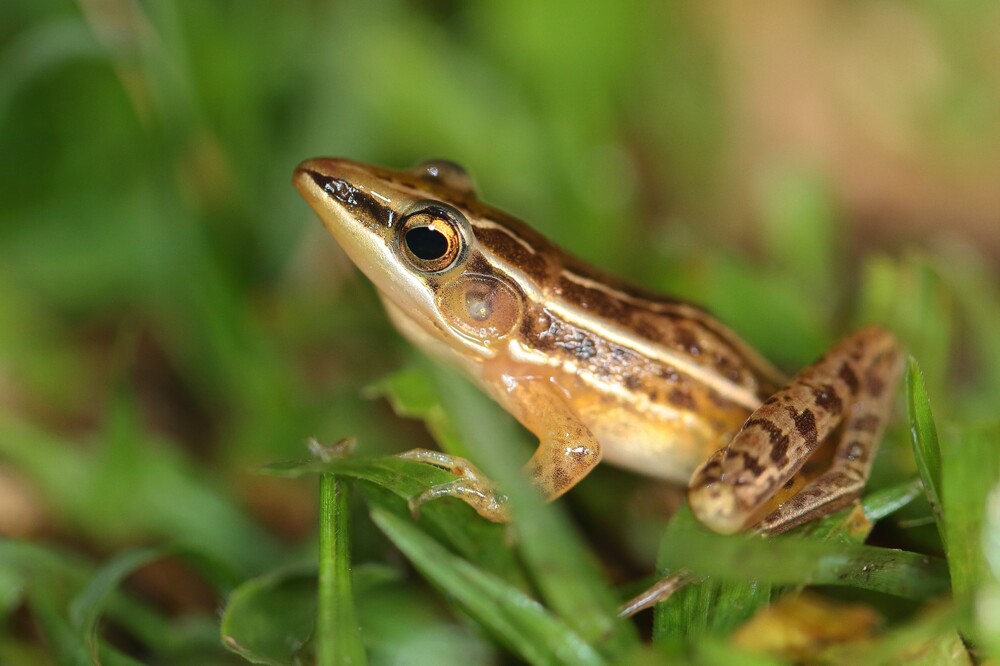
One in four animal species living in Hong Kong are at risk of local extinction, with birds and freshwater fishes the most threatened, ecologists warned in their latest report assessing the city’s biodiversity published.
“The State of Hong Kong Biodiversity 2025” was released by WWF-Hong Kong, in association with the Hong Kong Bird Watching Society, Kadoorie Farm and Botanic Garden, Outdoor Wildlife Learning Hong Kong, and local researchers on Monday.
In the study, local ecologists assessed the conservation status of 886 species across eight animal groups: mammals, birds, reptiles, amphibians, freshwater fishes, butterflies, dragonflies and freshwater crustaceans.
It found that 21 of the 886 assessed species have already disappeared from Hong Kong, and over 25 percent, or 232 species, are at risk of local extinction.
Birds and freshwater fishes are the most threatened groups, with almost half facing moderate to high risk of local extinction, the report said.
Species dependent on lowland habitats, such as freshwater marsh, river and farmland are experiencing “the most serious decline” due to habitat loss and degradation, poaching and the spread of invasive species.
These animals are in need of urgent conservation intervention, scientists warned.
The ecologists also published a map highlighting 27 critical biodiversity hotspots outside the government’s protected-area system, which are home to 95 percent of the at-risk species.
However, they pointed out that nearly 80 percent of the locations have suffered from eco-vandalism and nearly 50% overlap with planned or committed development.
Conservation director of WWF-Hong Kong Bosco Chan said the biodiversity report aimed to promote conservation and help the government to enhance relevant policies, laws and regulations.
Chan said: “The findings of this report underscore the urgent need for collective actions to protect at-risk species and habitats, which are concentrated in the unprotected lowlands.”
“We must make and invest in concrete plans to protect Hong Kong's most threatened biodiversity and wildlife habitats before it is too late.”
According to WWF-Hong Kong, the report is a comprehensive overview of the current state of Hong Kong biodiversity which evaluated the local extinction risk of species and offered science-based recommendations guiding conservation decisions.
(Jamie Liu)