Read More




Morning Recap - October 7, 2026
5 hours ago

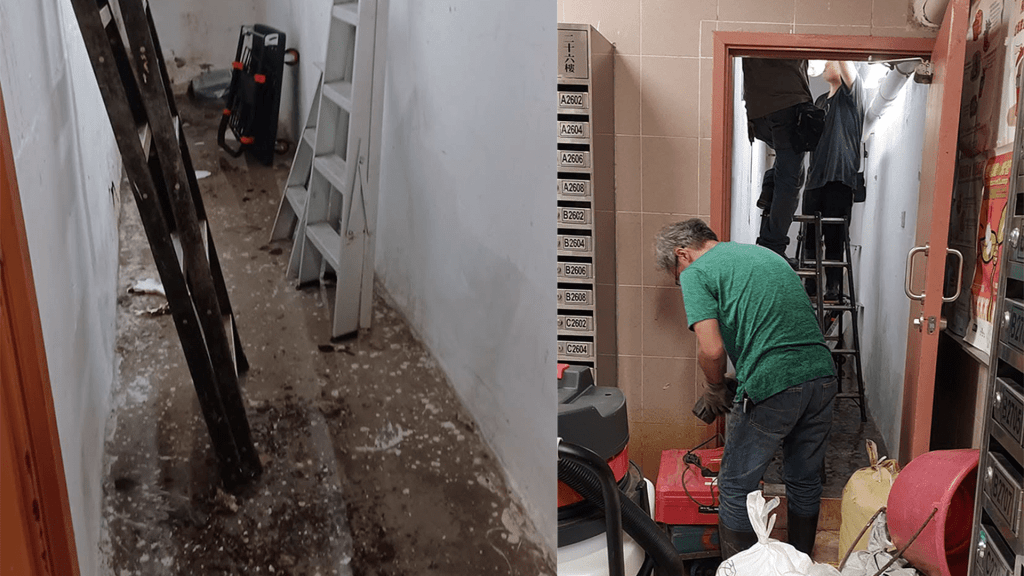




Abby Choi's remains found in soup pots with carrots, court hears
05-10-2026 13:53 HKT


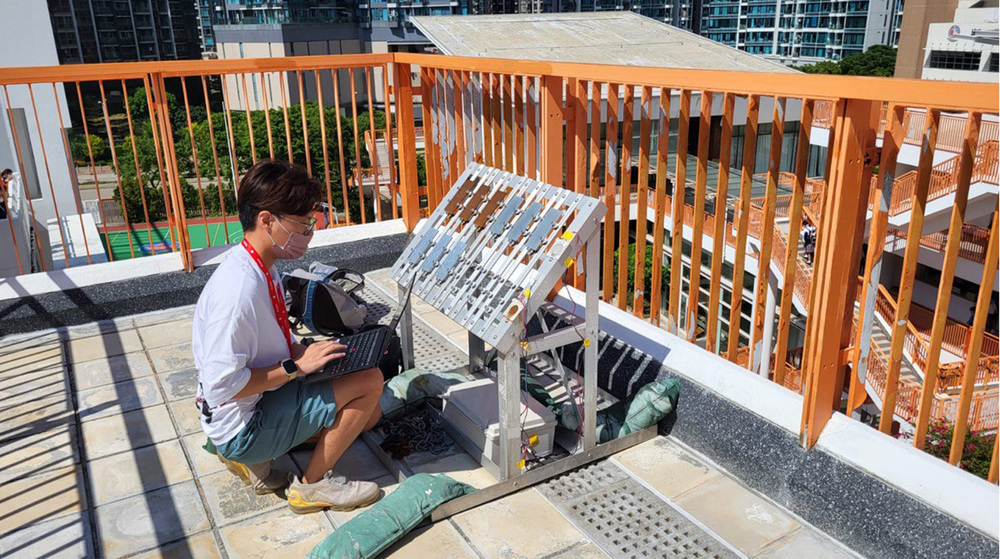
Researchers from the Hong Kong Polytechnic University (PolyU) have developed a groundbreaking real-time system to monitor atmospheric corrosion on metal structures in buildings, assisting engineers in formulating better maintenance strategies.
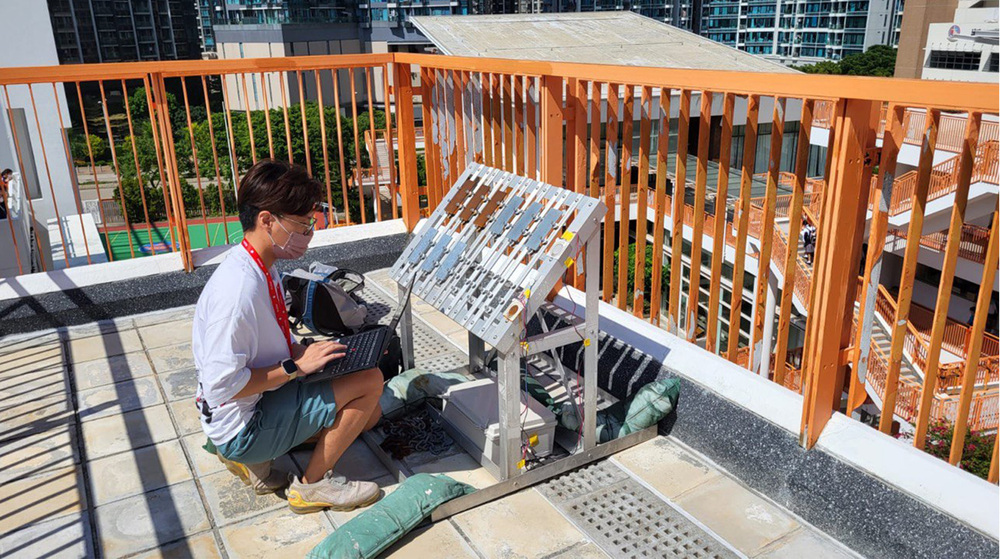
Since 2010, professor Chung Kwok-fai and his team from the Department of Civil and Environmental Engineering have conducted extensive tests at seven sites across Hong Kong, a coastal area frequently impacted by high salinity in warm sea air.
Their findings reveal that the corrosion rate of carbon steel typically ranges from 30 to 40 micrometers per year, while zinc and galvanized steel used for outdoor construction exhibit corrosion rates of about three micrometers per year.
Commercial complexes around Victoria Harbour are especially susceptible to year-round atmospheric corrosion, which undermines the durability of buildings and structures, potentially posing safety risks.
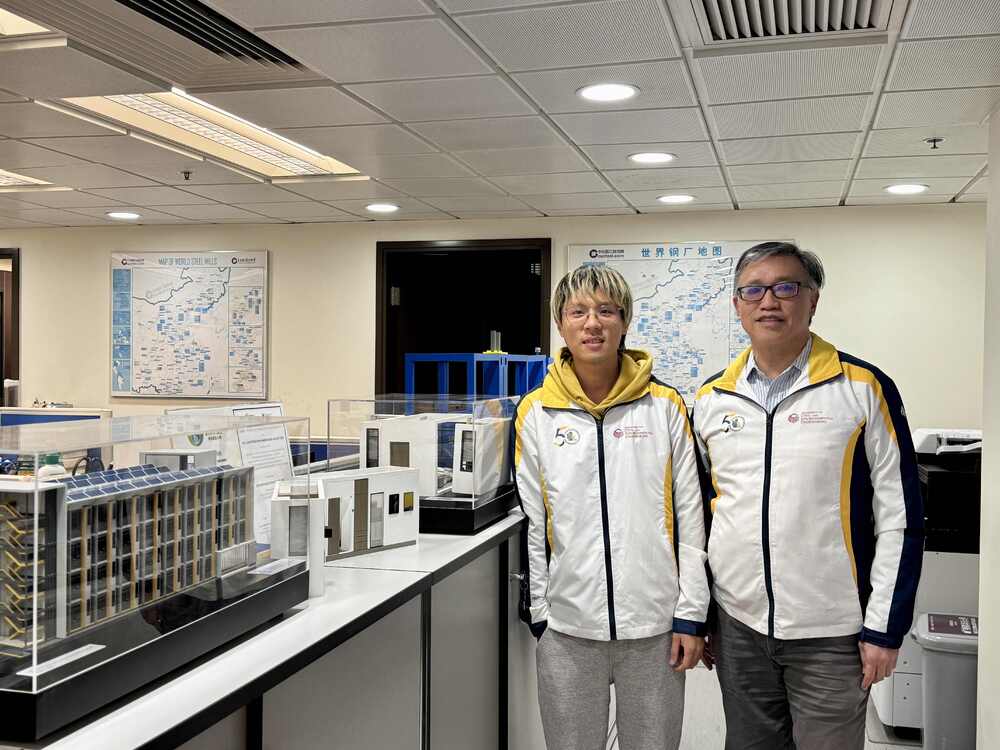
To tackle this issue, PolyU PhD student Yuen Ka-fai, under Chung’s supervision, collected about 40,000 real-time data sets annually from seven different buildings across the city to develop the monitoring system.
Utilizing remote sensing and artificial intelligence-supported data analytics, the system evaluates the impact of corrosive chemicals such as chlorine ions, sulfur dioxide, and nitrogen oxides, while also gathering climatic data including temperature and humidity.
This innovative approach significantly enhances the accuracy of conventional corrosion prediction models, enabling long-term monitoring and assessment of building integrity in Hong Kong.
“The results will help develop more effective building maintenance strategies, prolonging the lifespan of buildings and structures with reduced manpower and lower costs, thereby contributing to the sustainable development of society,” Chung said.
Currently, the monitoring system is being implemented at InnoCell in Hong Kong Science Park and the Nam Cheong 220 steel social housing project.
(Jamie Liu)