Read More
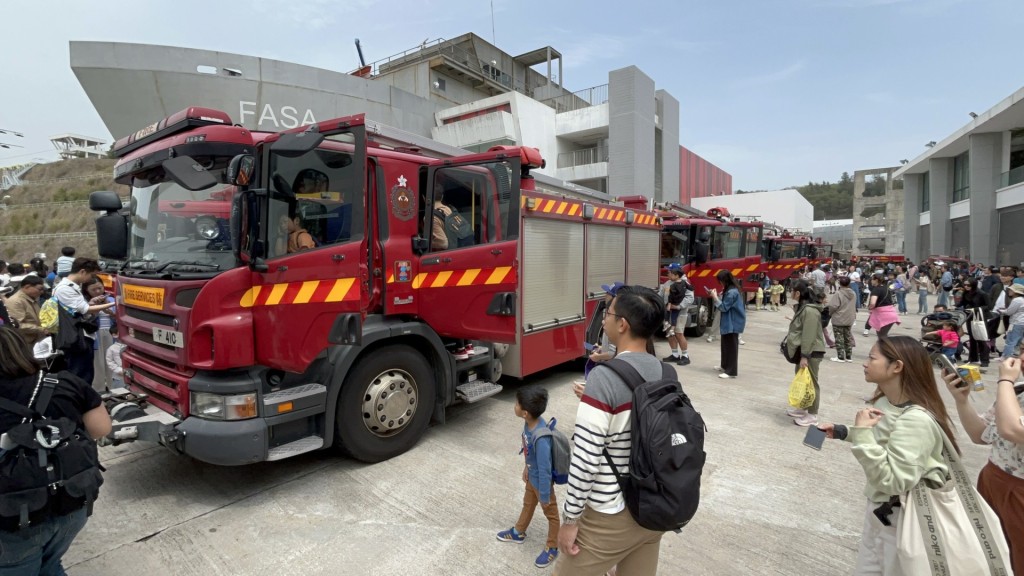



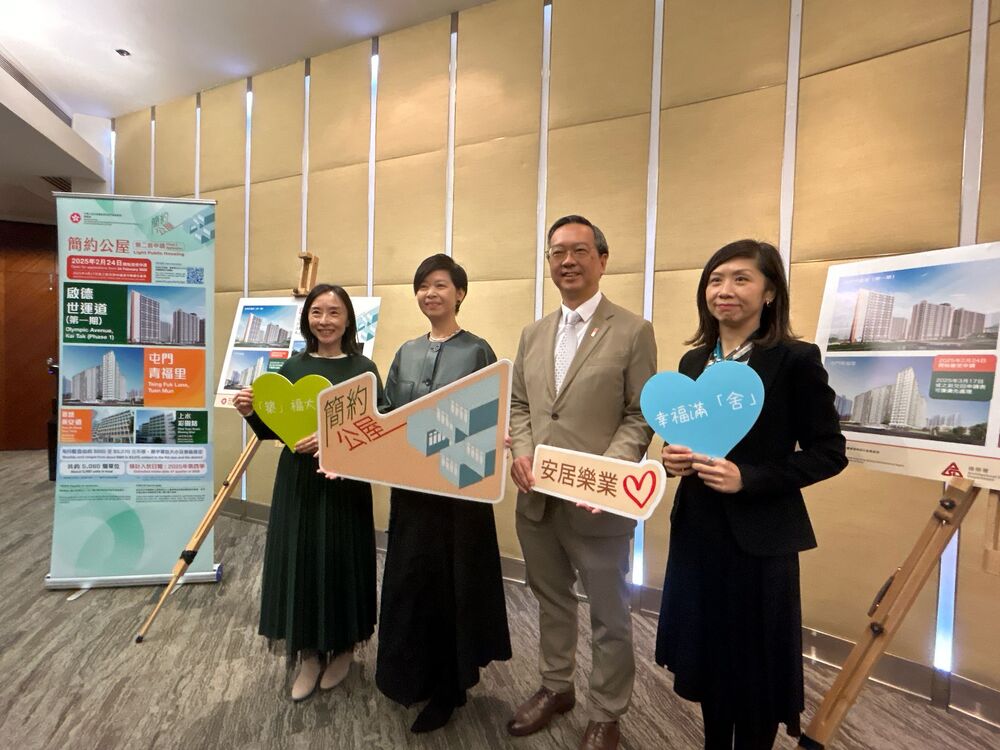
Over 5,000 light public housing units will be available in a new round of applications starting next Monday, with units expected to be ready for intake in the fourth quarter of this year.
The monthly rent for this second batch ranges from about HK$860 to HK$3,270, depending on the size and location of the flat.
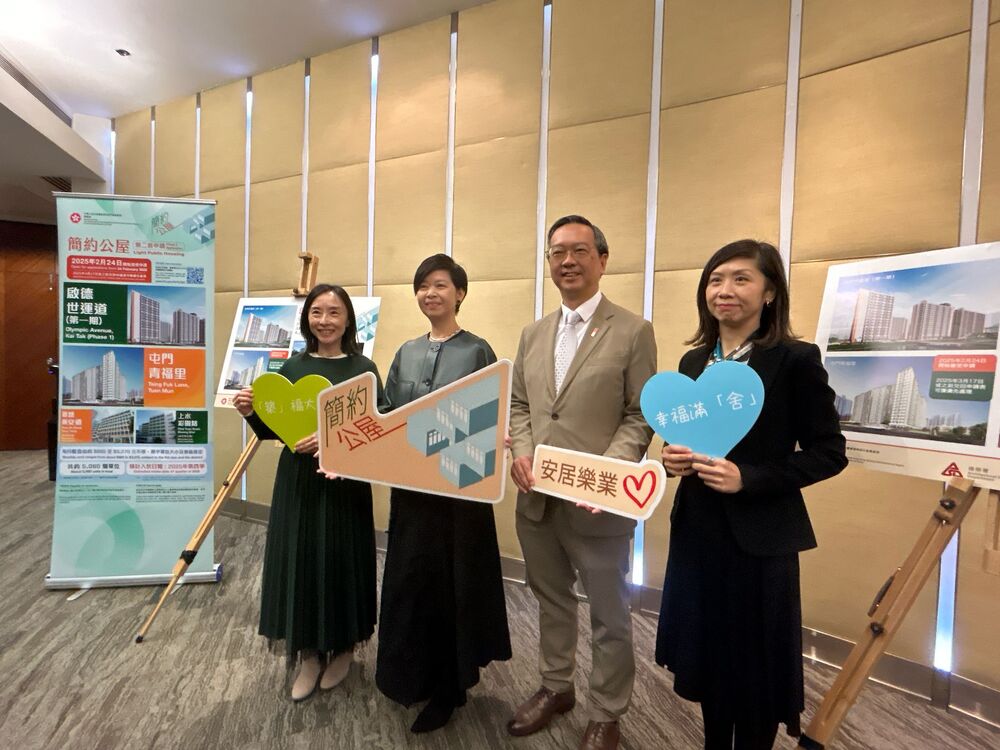
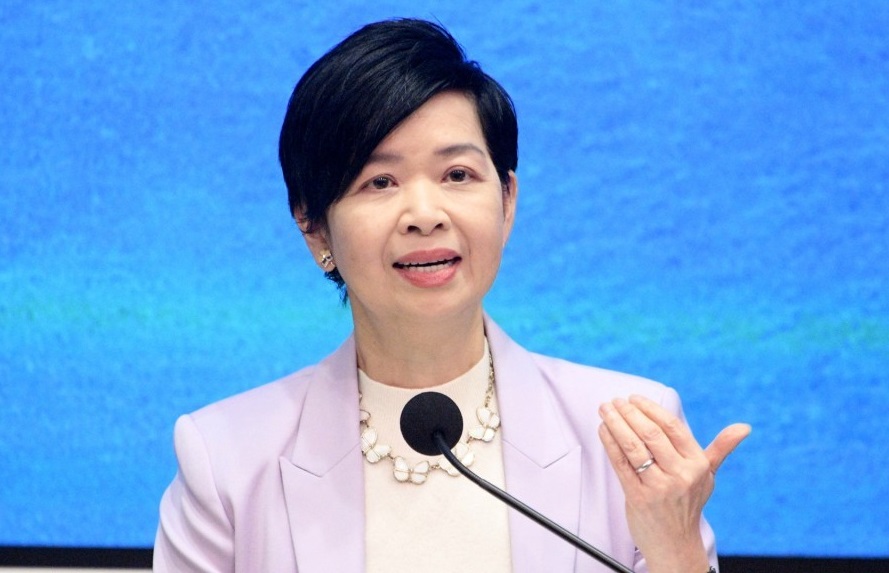
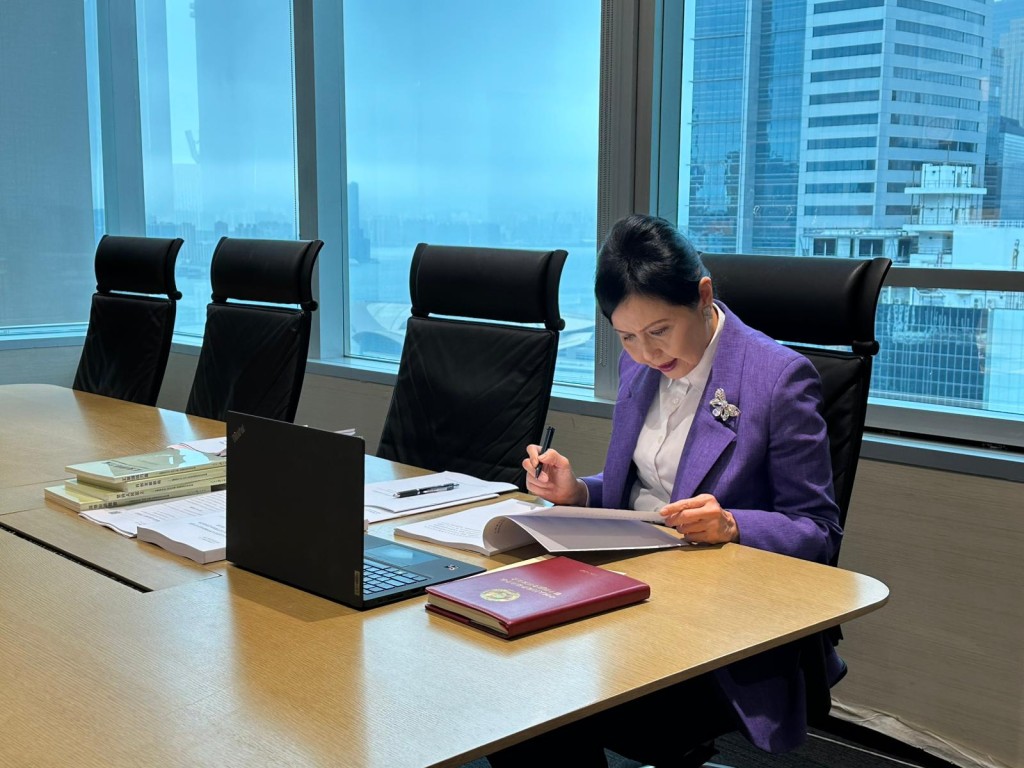
In a media luncheon on Monday, Secretary for Housing Winnie Ho Wing-yin said that applications for the second round of light public housing units will begin on February 24, covering four projects in Kowloon and the New Territories.
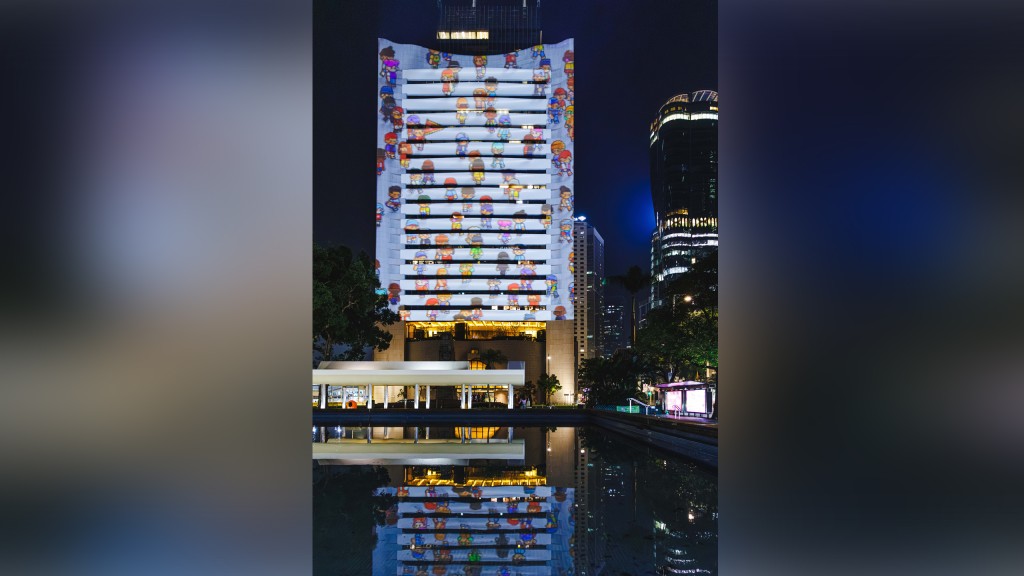
These projects will be located on Olympic Avenue in Kai Tak (Phase 1), Tsing Fuk Lane in Tuen Mun, Shun On Road in Kwun Tong, and Choi Yuen Road in Sheung Shui, providing around 5,060 units for gradual intake anticipated to start from the fourth quarter of this year.
“The locations of the light public housing being launched this time are very attractive,” Ho said.
“With over 4,000 units available in the first phase, I have now launched nearly 10,000 units in total.”
The monthly rent for the smallest two-person flat at Tsing Fuk Lane will be HK$860, while a four-person flat at Shun On Road will cost HK$3,270.
Deputy Secretary for Housing (Special Duties) Winnie Wong Ming-wai noted that about 70,000 application forms will be mailed to eligible individuals by or before February 24.
Priority will be given to applicants who have been on the waiting list for traditional public housing for three years or more, family applicants, and individuals who applied during the first phase.
Applications submitted between February 24 and March 17 will be processed with priority, although applications will continue to be accepted after March 18.
Successful applicants who choose to move into light public housing will retain their position in the queue for traditional public rental housing but will no longer qualify for the Cash Allowance Trial Scheme.
Ho also revealed that the cost of the light public housing has been reduced from an initial estimate of over HK$27 billion to around HK$21 billion, resulting in a savings of about HK$6 billion.
(Cheng Wong)