Read More
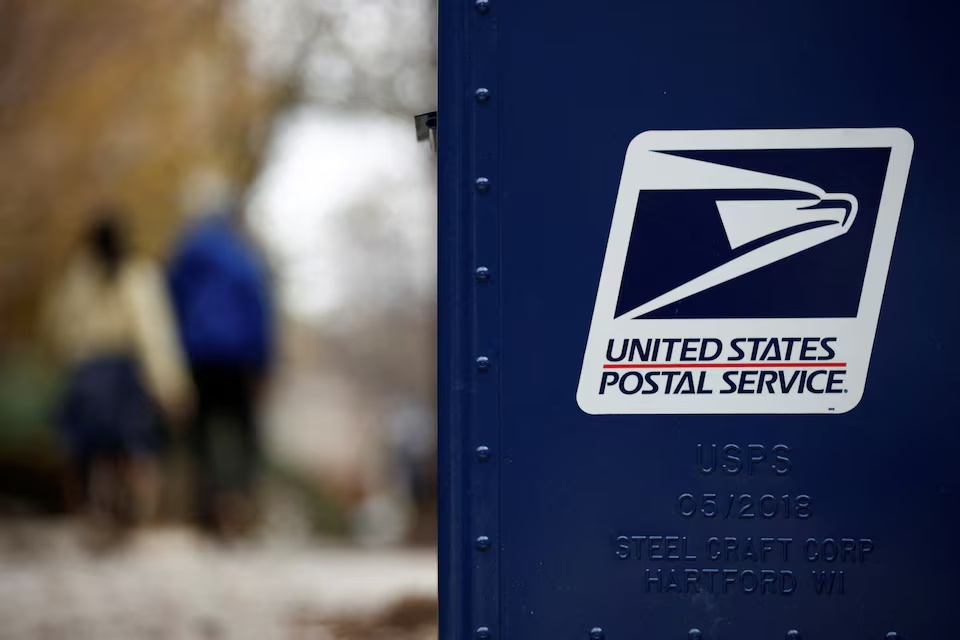
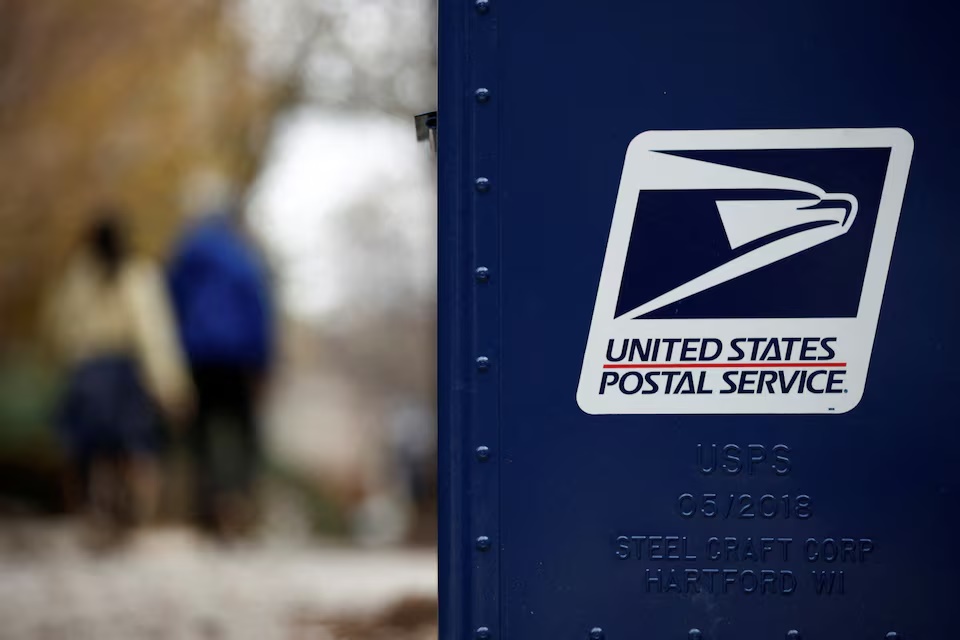
The U.S. Postal Service said on Wednesday it would continue accepting packages from China and Hong Kong, after a suspension following President Donald Trump ending a trade provision used by retailers including Temu, Shein, and Amazon to ship low-value packages duty-free to the U.S.
ADVERTISEMENT
SCROLL TO CONTINUE WITH CONTENT
Just hours after announcing the suspension over Trump's tariffs on China, the postal service said in an online update that it would actually "continue accepting all international inbound mail and packages from China and Hong Kong Posts."
"The USPS and Customs and Border Protection are working closely together to implement an efficient collection mechanism for the new China tariffs to ensure the least disruption to package delivery," it said in a statement.
In response to The Standard's enquiries, DHL said it continues to accept all individual and corporate shipments to the U.S.
The company stated that it is actively working with customers, suppliers, and other stakeholders to address the changes and prevent disruptions in the supply chain that could impact consumers and clients.
The HKSAR government strongly condemned the U.S. late Wednesday for imposing tariffs on products from the city and halting the shipment of packages originating from Hong Kong.
As part of Trump's trade actions -- which he enacted citing drug trafficking concerns -- the United States on Tuesday scrapped a duty-free exemption for low-value packages.
The "de minimis" exemption allows goods valued at US$800 or below to enter the United States without paying duties or certain taxes, but it has faced scrutiny due to a surge in shipments in recent years.
USPS did not immediately comment on whether its temporary suspension had been tied to Trump's order ending de minimis shipments from China, which was announced on Saturday and came into force from one minute past midnight on Tuesday.
"There has really been absolutely zero time for anyone to prepare for this," said Maureen Cori, co-founder at New York-based consultancy Supply Chain Compliance. "What we really need is direction from the government on how to handle this without warning or notice."
Currently, de minimis parcels are consolidated so that customs can clear hundreds or thousands of shipments at once, but they will now require individual clearances, significantly increasing the burden for postal services, brokers and customs agents, said Cori.
The Trump administration also imposed an additional 10 percent tariff on Chinese goods.
Tensions between the US and China have soared in recent days as the world's two largest economies slapped a volley of tariffs on each others' imports, hitting hundreds of billions of dollars in trade.
(Staff reporter, Reuters and AFP)
(Updated at 9.59 pm)