Read More



Amber rainstorm warning issued at 11am
10 hours ago

Man steals $22,000 Chanel handbag from Tsuen Wan Plaza shop
03-04-2026 20:43 HKT
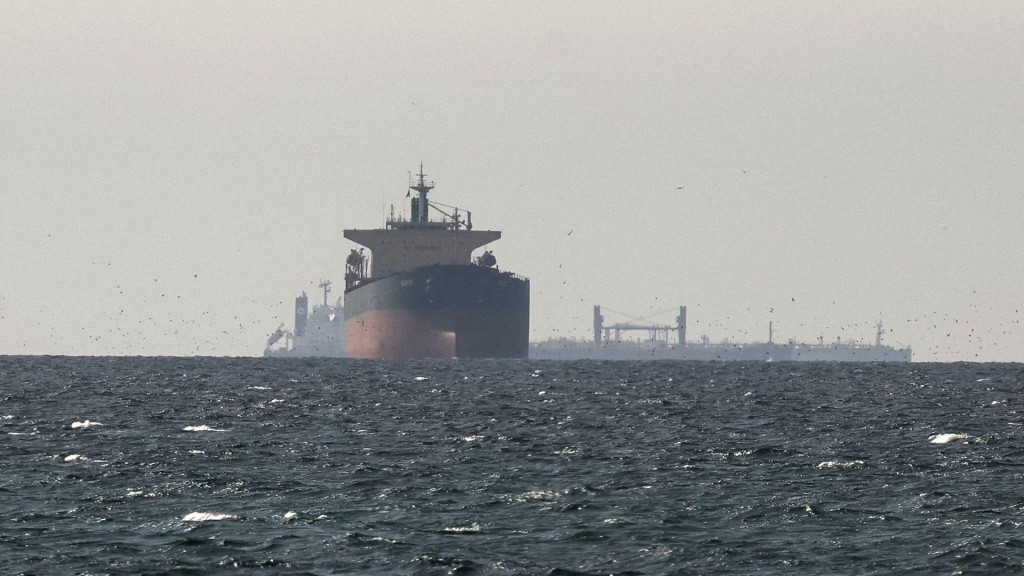
Iran demands transit fees in yuan, stablecoins for Strait of Hormuz passage
03-04-2026 02:45 HKT
The Blueprint for Arts and Culture and Creative Industries Development is set to be released on Tuesday (Nov 26), outlining 71 measures aimed at fostering the industrializing of the cultural arts sector, according to sources.
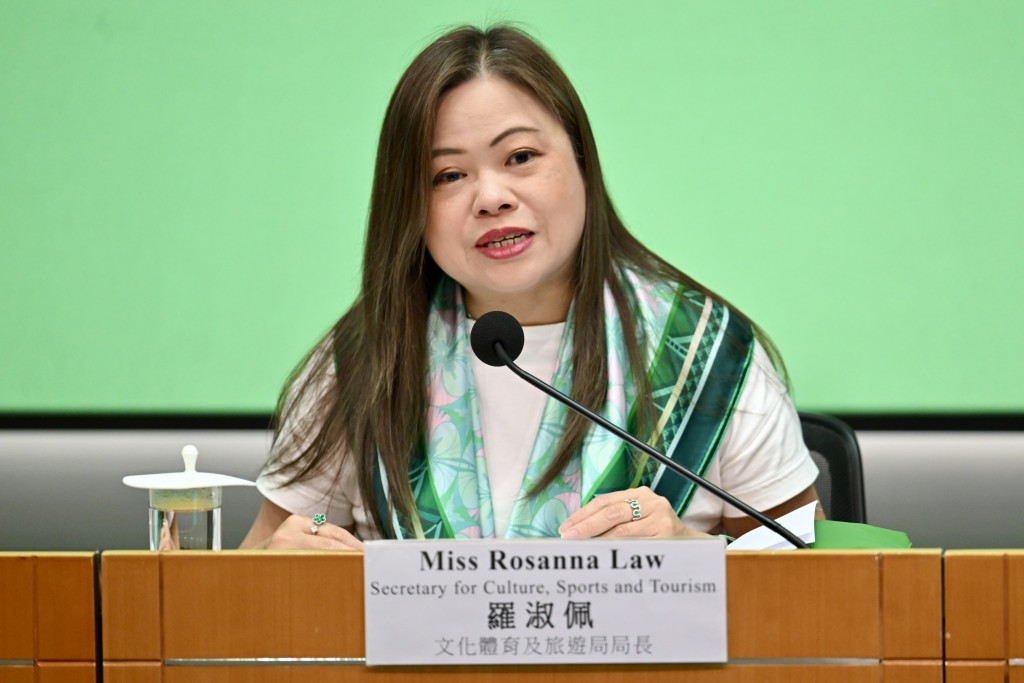
The blueprint, drafted by the Culture, Sports, and Tourism Bureau,
is expected to encompass four major aspects and six guiding principles to promote the development of diverse arts and culture with an international perspective and to transform Hong Kong into a hub for cultural and artistic exchanges between China and the rest of the world.
It was learned that the goal is to generate profits from the cultural and creative industry to over HK$200 billion by 2034 while creating over 40,000 job opportunities over the same period.
The first direction is to promote Chinese culture, which includes improving the current museum system to enrich the visitor's understanding of Chinese culture and to promote tourism.
Sources said the authorities would strengthen cooperation with the Greater Bay Area and organize activities centered on Chinese culture and history to preserve cultural heritage and foster understanding and patriotism.
The second direction aims to develop a diverse and international cultural arts industry with an emphasis on establishing Hong Kong as a "City of Creativity" by cultivating Hong Kong's unique cultural traits and increasing public participation in cultural activities.
The third is to create an international platform for cultural exchange and transform the city to support diverse cultural activities in order to promote cultural exchange both locally and internationally.
Authorities also plan to review the existing funding system, consider integrating market elements, or explore tax reduction options for businesses willing to support cultural promotion.
The remaining direction is to refine the creative industry ecosystem, which involves establishing an industry chain for the creative industries to train local talent and attract international professionals.
Sources said authorities expected the sale, storage, and insurance of artworks to increase alongside cultural events, which would benefit related industries such as exhibition planning and public relations.
Furthermore, sources highlighted that the promotion of industrialization cannot solely depend on government efforts but also requires active participation from the business community. This implies that funding strategies will probably be recalibrated to involve contributions from the business community, aiming to draw in more artists.
Regarding the delay of the blueprint, the source stressed that the blueprint was not a last-minute effort but a plan aimed at showcasing its best aspect.