Read More
Electronic art therapy can be utilized to enhance the emotional well-being of breast cancer patients, according to the Hong Kong Polytechnic University.
ADVERTISEMENT
SCROLL TO CONTINUE WITH CONTENT
Although the five-year survival rate for early-stage breast cancer patients has now surpassed 90 percent, research shows that over 30 percent of breast cancer patients begin to experience emotional turmoil including anxiety and depression following their diagnosis, said Wong Lai-san, a specialist in clinical oncology.
"Breast cancer is the leading cancer among women in Hong Kong, posing a serious threat to their health and significantly impacting their mental well-being," she added. "If these distressing emotions are not adequately addressed, they can significantly affect not only the patient's mental well-being but also their physical health, daily functioning, and social interactions."
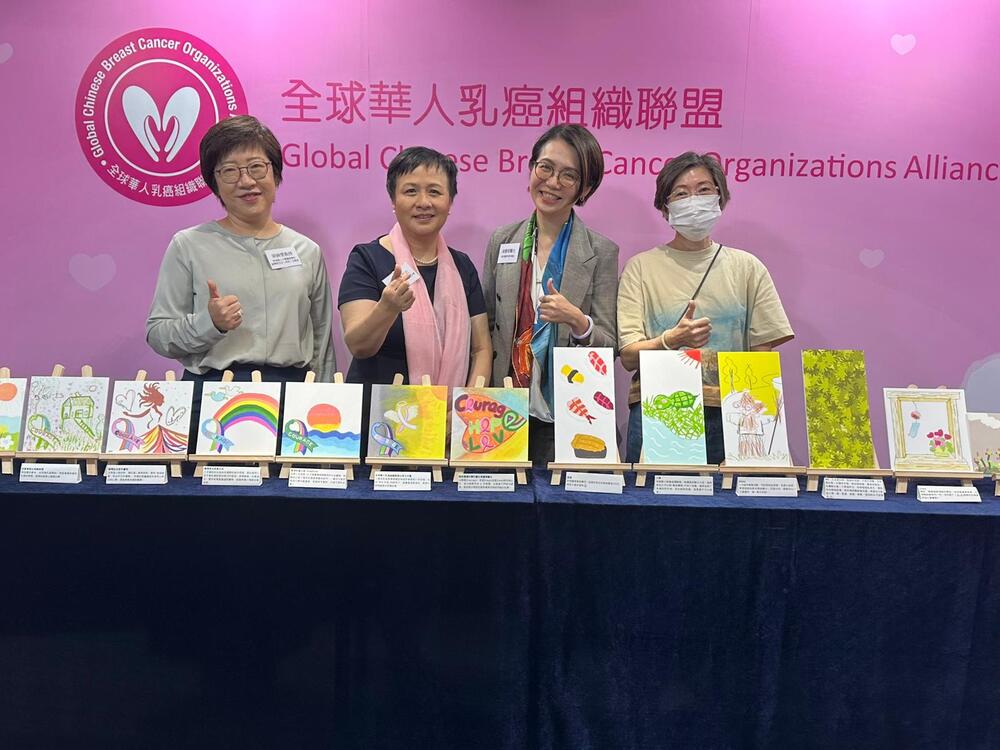
The Electronic Painting for Breast Cancer platform was launched in June by the School of Nursing of PolyU and the Global Chinese Breast Cancer Organization Alliance and supported by biopharmaceutical company Gilead Sciences, enables patients to create art using computers or smart devices while also conducting emotional assessments to understand their emotional health better.
It also includes social features that promote user connection and communication to foster a supportive and enriching community.
The study of the platform included 52 breast cancer patients who exhibited signs of anxiety or depression during initial evaluations. Participants were randomly assigned to either an intervention group or a control group.
The groups would utilize the platform for eight consecutive weeks in turns and compare with the group which did not use the platform in the eight weeks to evaluate the effectiveness of the platform.
The platform significantly enhanced participants' emotional well-being, especially in alleviating symptoms of depression, with negative emotion scores decreasing by 17 percent and the depression index dropping by nearly 30 percent.
"Participants reported significant improvements in their self-assessment of health, reflecting an enhanced quality of life that is likely associated with better personal health conditions," said Angela Leung Yee-man, associate head (research) of the school of nursing at Hong Kong Polytechnic University.
"Moving forward, we aim to expand this initiative into hospitals and community settings to support even more individuals in need," she added.
(Henry Siu)
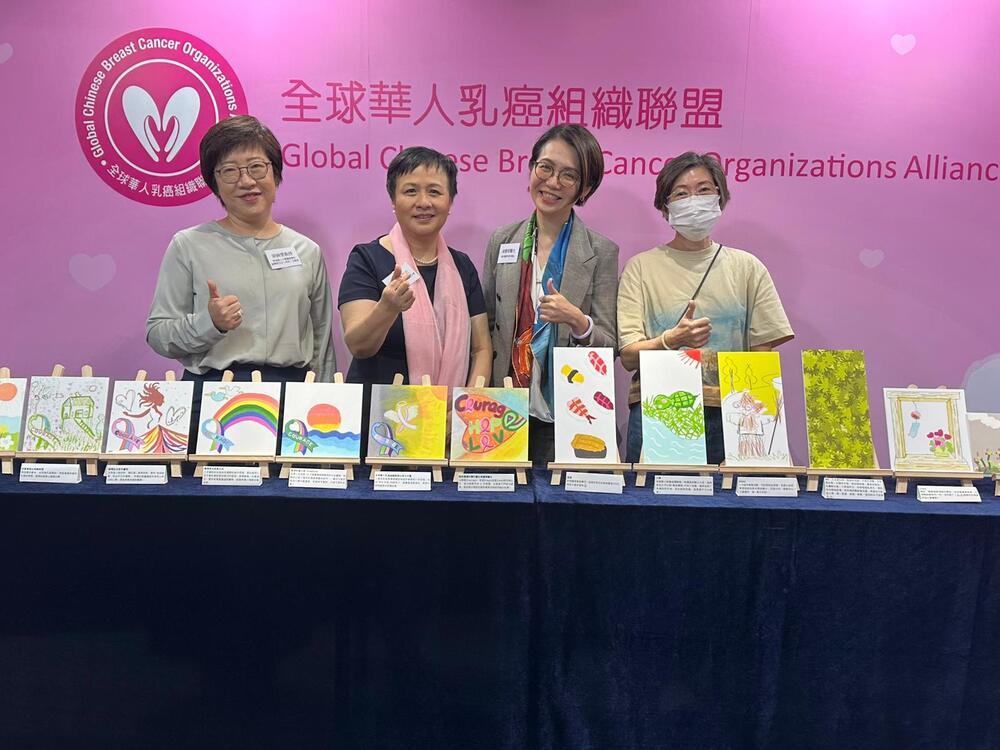
(Photo: Henry Siu)

(Photo: Henry Siu)