Read More
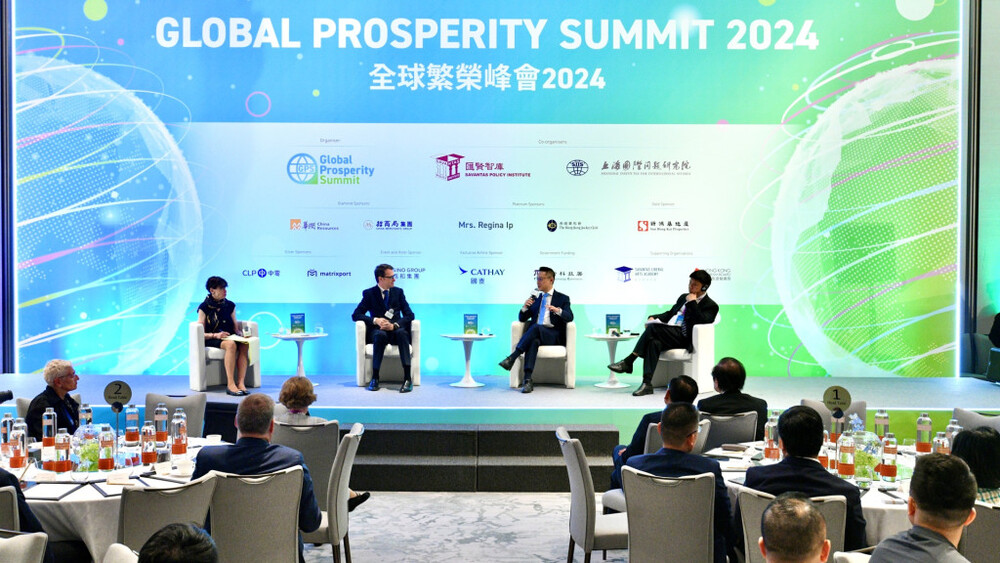
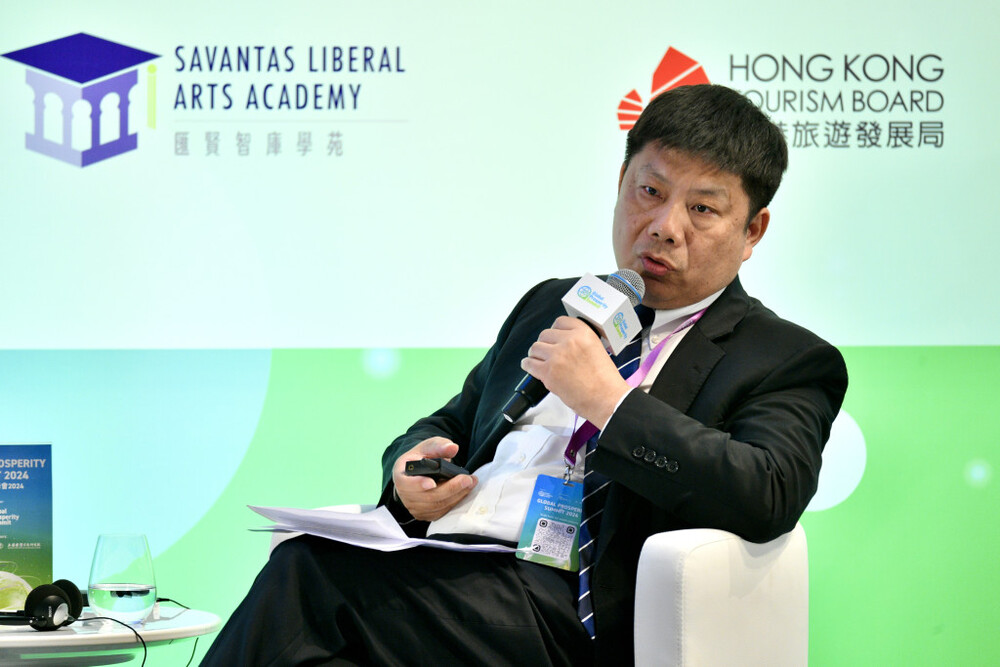
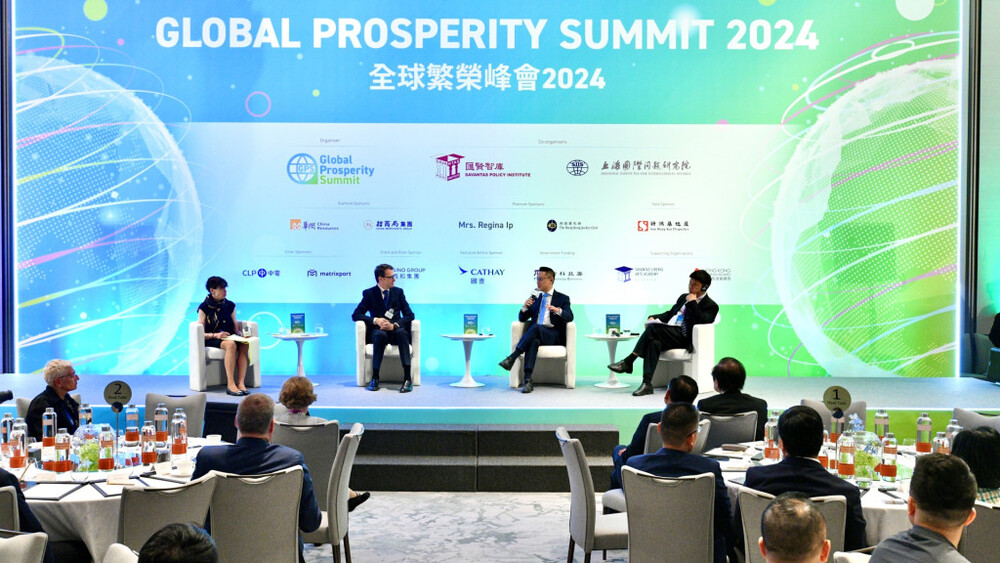
Global business leaders and economists gathered at a panel to discuss globalization and de-globalization as the Global Prosperity Summit 2024 organized by Savantas Policy Institute and Shanghai Institutes for International Studies kick-started in Hong Kong on Tuesday.
ADVERTISEMENT
SCROLL TO CONTINUE WITH CONTENT
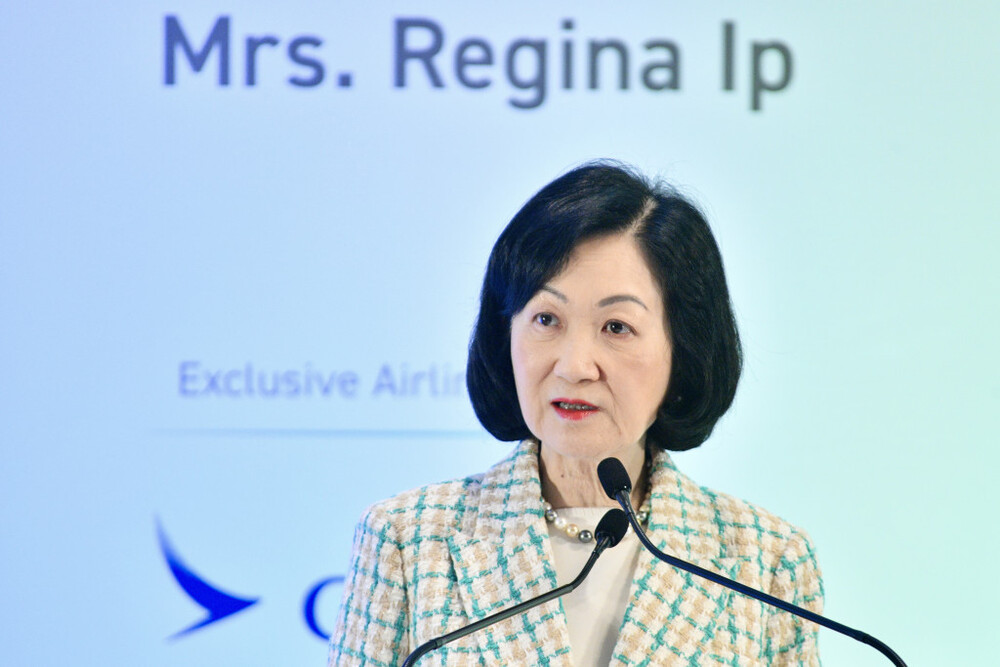
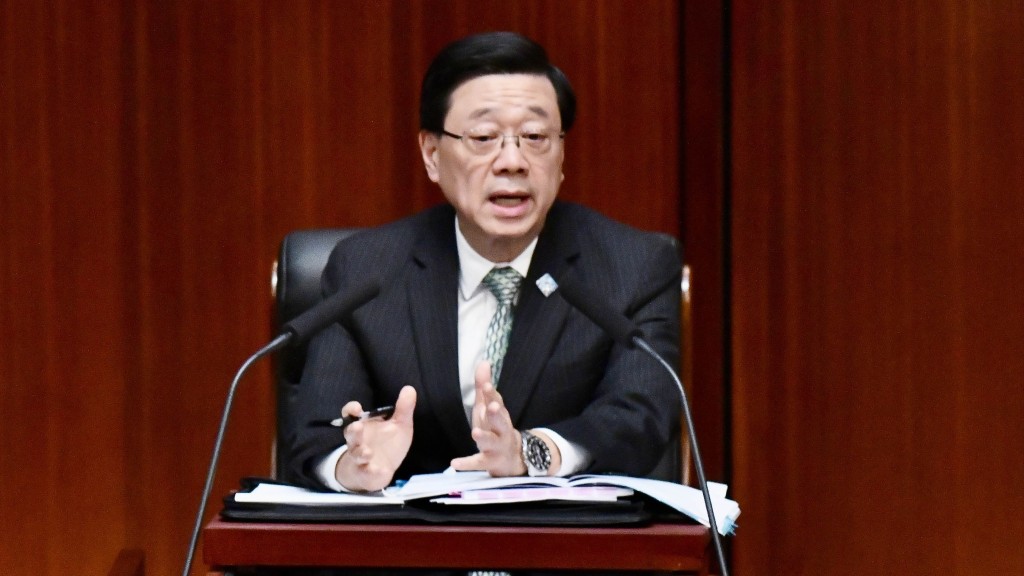
Delivering the opening speech, Executive Council convener and Savantas chair Regina Ip Lau Suk-yee said Hong Kong has a duty to promote global prosperity to everyone and noted that different impact factors are surfacing, such as certain big countries trying to lead the world, trade protectionism, and political sanctions.
She continued that global trade once lifted many people out of poverty but this is no longer the case. There are also several important elections this year that can affect half of the world’s population, she added.
She further said although Hong Kong is a small but developed economy, it is significantly impacted by the global economy and therefore the city cares very much about relevant topics.
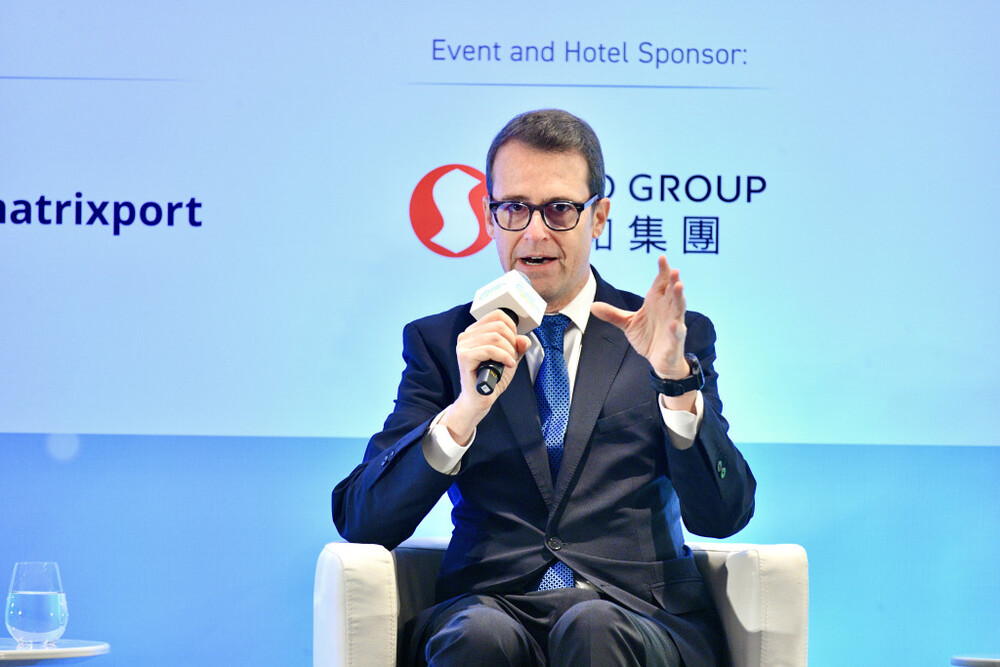
Iñaki Amate, Chairman of the European Chamber of Commerce in Hong Kong, said nowadays private organizations and companies are more scrutinized by the stakeholders that look up what the different environmental and social impacts are that they can bring into the community.
“European organizations are really trying to bring in best practices to Hong Kong,” he said. He also suggested the Hong Kong government incentivizes companies to bring more diversity to the workforce and attract talent.
Steve Hanke, Professor of Applied Economics at Johns Hopkins University, said he doesn’t believe that Hong Kong can copy Singapore’s success via a state-led approach and noted that private enterprises will have to contribute more.
He also shared that light taxes, small government, stable money, smart regulation, and free trade are the five “pillars of prosperity” for the city. He continued that it is a challenge to realize the deficiency of state capitalism, which leads to projects that are over budget, over time, and under benefits repeatedly.
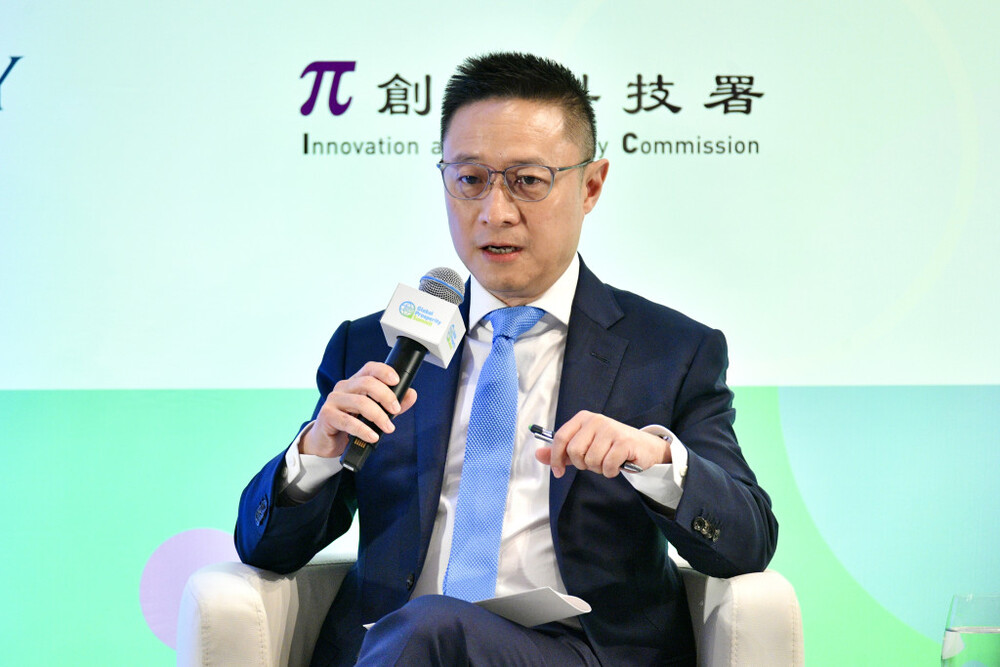
Eric Xun Li, Chairman and Managing Partner, Chengwei Capital, pointed out that although China has the largest industrial output in the world, bigger than the US, Germany, and Japan put together, the value-add of its industrial capacity is still relatively low at about 12 percent.
China therefore needs to develop new industries, Li said. He continued he understands that the US fears the uprising of China for its own profits but noted that globalization will benefit global development.
Xu Liping, Director of the Center of Southeast Asian Studies at the National Institute of International Strategy, said ASEAN and Hong Kong share the same aspirations in regional peace, stability, prosperity, and development.
Thanks to Hong Kong’s unique advantages that include its geography, talent pool, and its role as an international finance center, the city will continue to be the pivotal conduit and gateway for China’s global engagement and for the Belt and Road Initiative, he also said.