Read More




Night Recap - October 26, 2026
1 hour ago


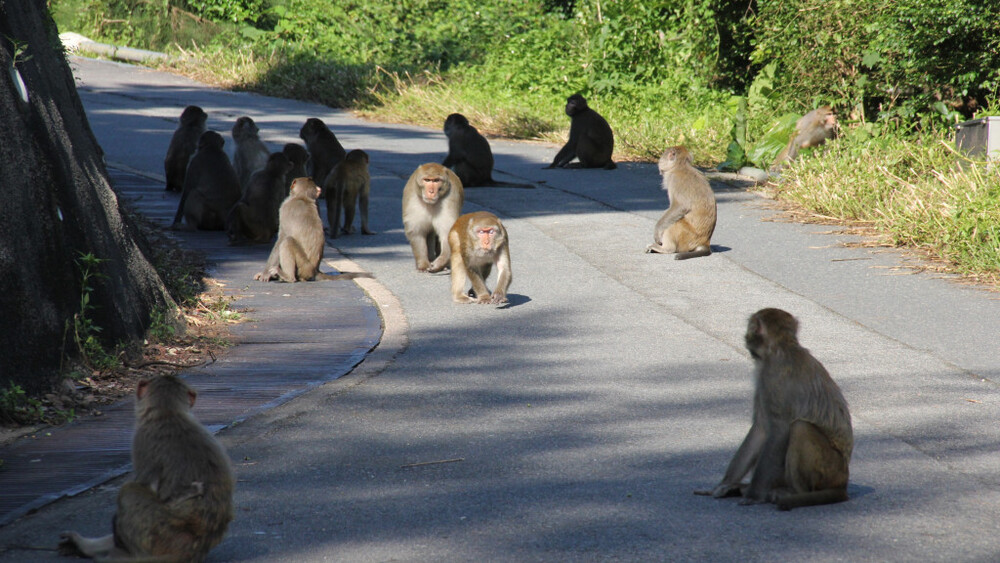
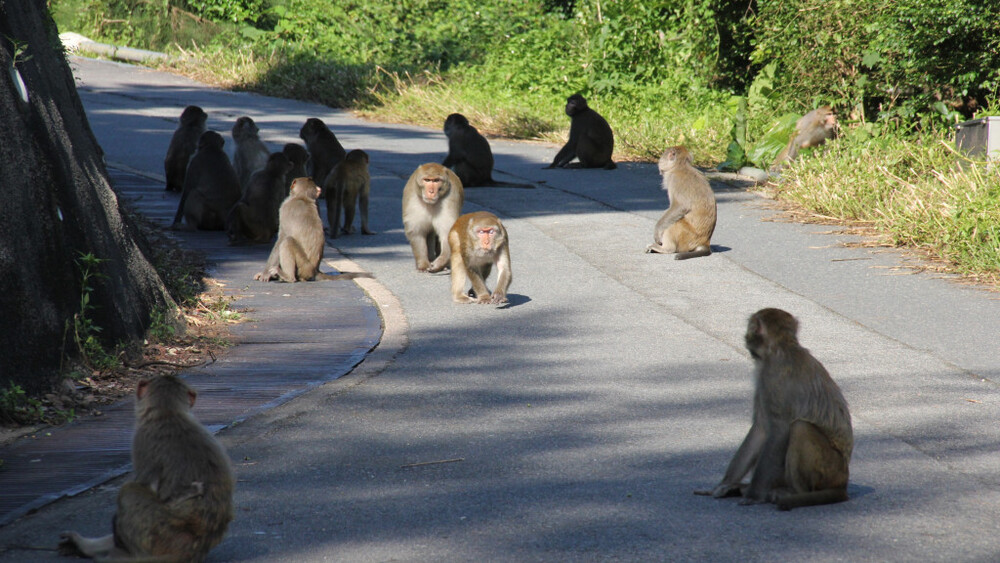
The condition of a 37-year-old man who was confirmed to be the first human B virus case in Hong Kong after he was attacked by wild monkeys at the Kam Shan Country Park has slightly improved, with his condition downgraded from critical to serious on Friday.
The patient, who was in good health before the attack in February, is still hospitalized at the intensive care unit of Yan Chai Hospital.
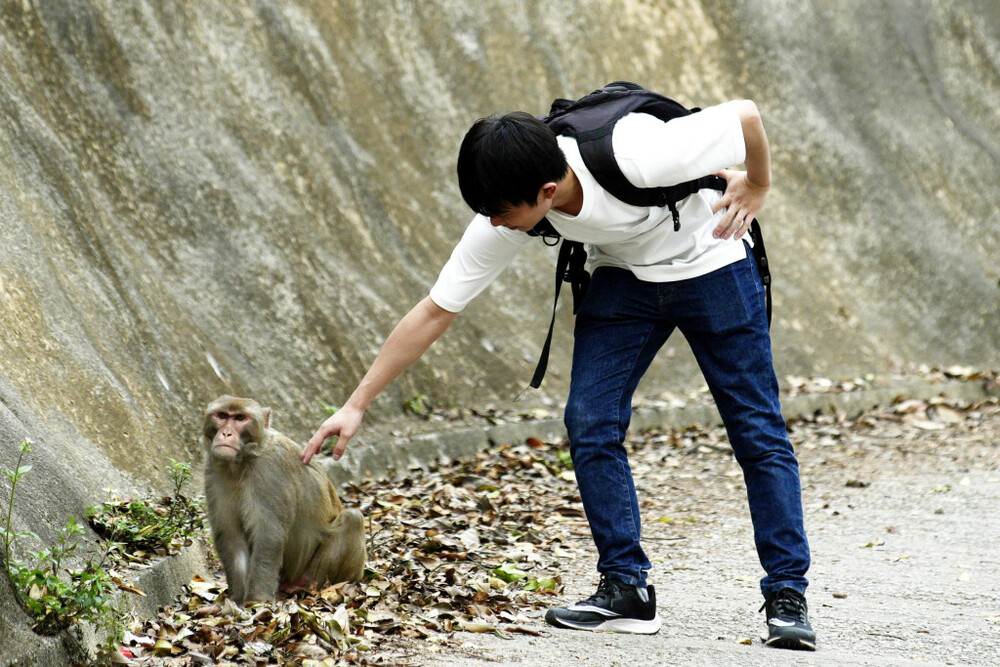
Commenting on the case this morning, Shek Chung-tong, Senior Fauna Conservation Officer of the Agriculture, Fisheries and Conservation Department, said people visiting country parks should maintain a good distance from wild monkeys, avoid direct eye contact with them, and keep food and plastic bags inside a large backpack.
If individuals come into contact with monkeys or their excrement, they should promptly wash their hands thoroughly with soap and water, said Shek.
“In the event of being bitten or scratched by a monkey, it is important to clean the wound and seek medical attention as soon as possible.”
Shek said the current population of monkeys in Hong Kong is approximately 2,000, while around 80 to 100 monkeys have been sterilized annually since 2007, with some 70 percent of the total population already sterilized.
He said the department aims to increase the figure to 100-120 monkeys per year to further control their population.
Meanwhile, the AFCD officer said feeding monkeys can alter their behavior, causing them to become dependent on humans and actively seek food from them, thus, leading to disturbances when monkeys venture into urban areas.
He also said following the broadening of a ban on feeding wild animals to cover the whole of Hong Kong, the department has strengthened its law enforcement efforts.