Read More
Hong Kong’s homegrown national security law doesn’t target the media, said security minister Chris Tang Ping-keung, as he pointed out that journalists won’t face charges for reporting government information leaked by officials off the record.
ADVERTISEMENT
SCROLL TO CONTINUE WITH CONTENT
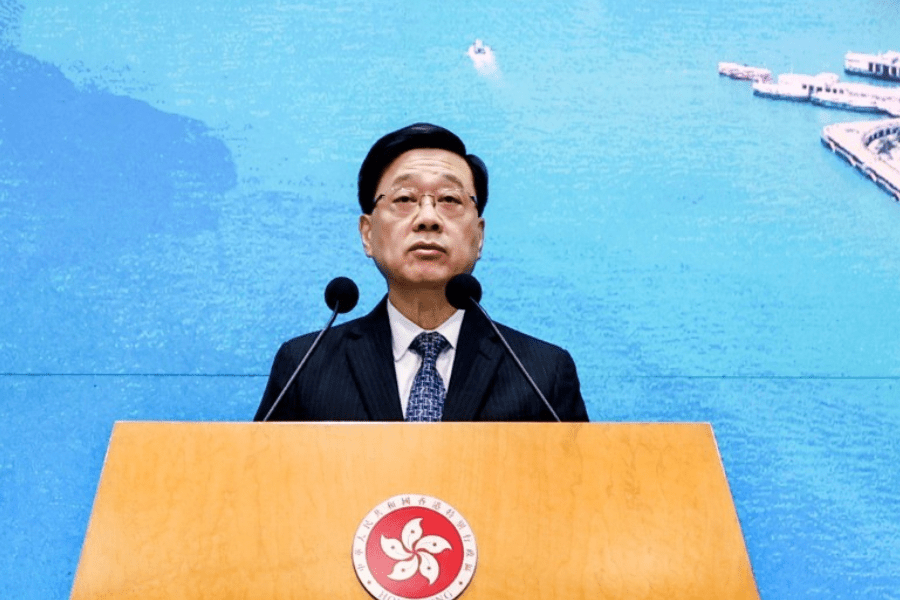
This came as Chief Executive John Lee Ka-chiu signed the Safeguarding National Security Ordinance into law on Friday, with effect from today (Sat).
Speaking on a radio program this morning, Tang said there are three criteria for conviction of the offenses of illegal possession or disclosure of state secrets. They include the information falling within the scope of the seven categories of crimes stated in the law, the reasonable authority of disclosure and if the information is likely to endanger national security.
He said if officials provide the information to journalists off the record, it is unlikely that the information will endanger national security. Otherwise, it will be the officials themselves who breach the law.
Tang also pointed out that since an earlier version of the law was imposed by Beijing four years ago, no media has faced any prosecution because of their news reports except for the trial of Jimmy Lai Chee-ying.
He further noted that the facts of Lai’s case reflected that what he did was different from other ordinary media outlets.
As for the offense of incitement, which requires no proof of inciting violence, Tang referred to the fake news in 2019, like arrestees allegedly being sexually assaulted in custody, and said those rumors remained harmful although no violence was engaged.
Secretary for Justice Paul Lam Ting-kwok appealed to citizens not to scare themselves with the law and called on them to listen to the government’s explanations objectively and neutrally.
He also said part of the conviction is the offender’s subjective state of mind. Citizens who don’t have intention to endanger national security need not to worry about breaking the law, he added.
Lam stressed that overseas sanctions won’t affect the work of safeguarding national security one bit and that he doesn’t see how judges are wavered by sanctions or how their work is any different.
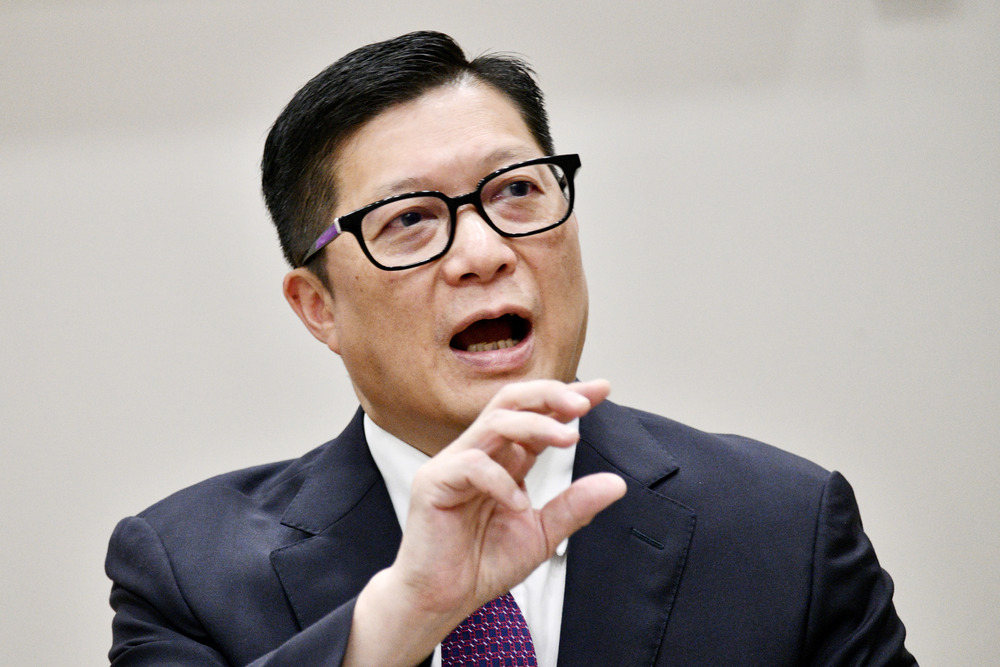
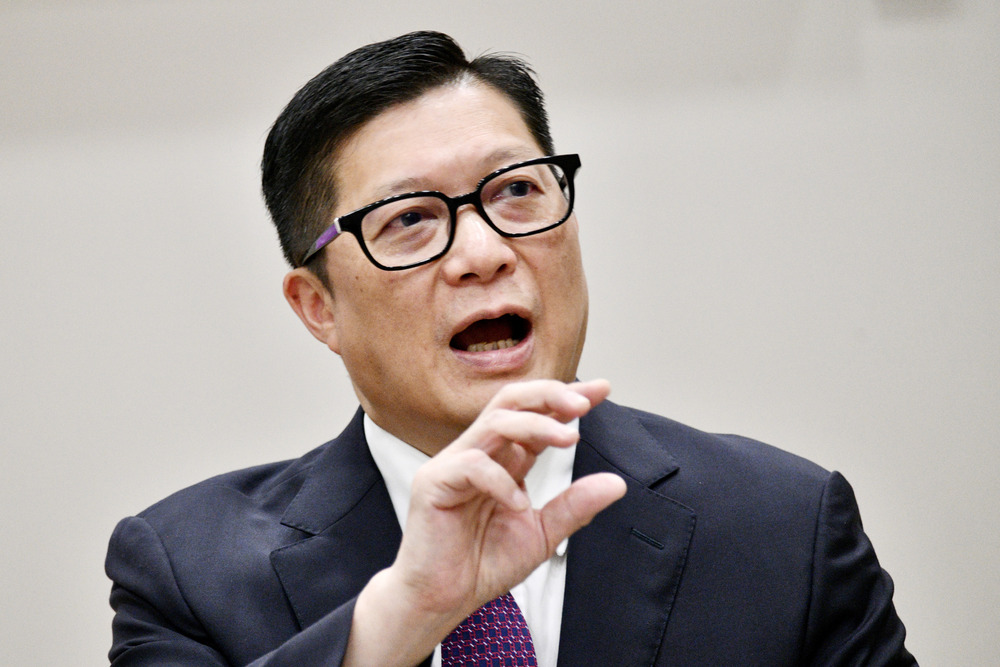
Secretary for Security Chris Tang Ping-keung.