Read More


Night Recap - October 15, 2026
3 hours ago








Transport chief takes a back seat on fining transit nuisance behavior
14-10-2026 18:09 HKT


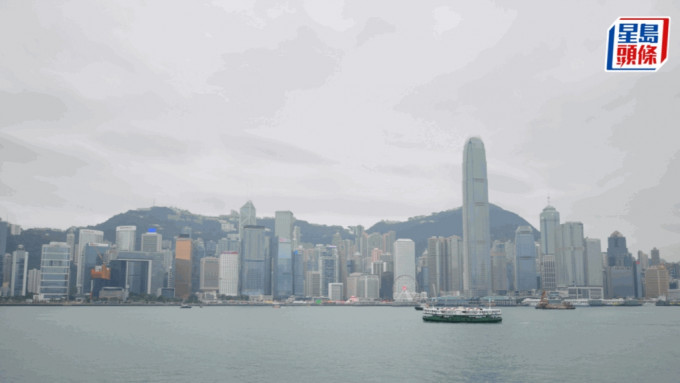
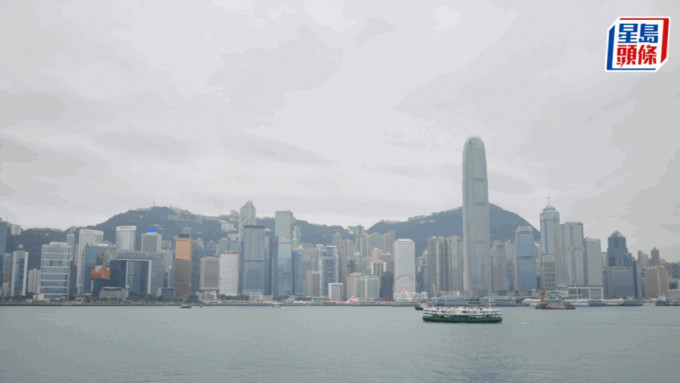
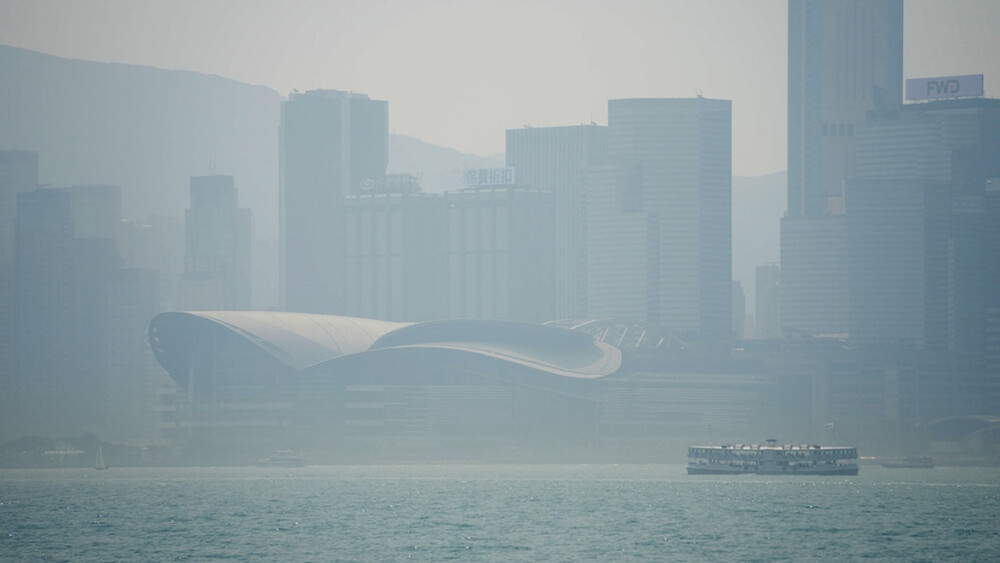
A local green group said on Thursday that Hong Kong’s return to normalcy since last year has unfortunately brought about a rebound in air pollution, with the annual average concentration of ozone reaching a record high.
The comments came after the group Clean Air Network reviewed data from the Environmental Protection Department’s air quality monitoring stations in the previous year to analyze local pollution trends.
The group said the rising trend of ozone concentration continued in 2023, in which the annual average concentration at general stations rose to 64 µg/m3 by 8 percent, and that at roadside stations increased to 45 µg/m3 by a remarkable 32 percent, both of which are the highest levels ever recorded at EPD stations.
The group also noted that ozone pollution is no longer a regional problem, calling on local solutions.
“It should be noted that Tap Mun station, which is away from urban emission sources, usually has the highest ozone concentration among the stations, reflecting that ozone pollution is mainly a regional problem.
“Nonetheless, last year, the ozone concentration at Southern station exceeded that at Tap Mun, making it the highest among all districts, while that at Eastern station also came close to that at Tap Mun,” the group said.
“Apparently, ozone pollution in urban areas has intensified, indicating that this is no longer solely a regional problem, local solutions are also in need.”
Separately, the group’s study found that air pollution has worsened in 2023, in which the annual average concentration of most of the major pollutants - including nitrogen dioxide, PM10 and PM2.5 - increased, getting close to pre-pandemic levels in 2019.
“Generally speaking, the western and northern parts of Hong Kong have worse air quality, such as Tuen Mun, Yuen Long and North District,” it noted.
The group said climate change has led to rising temperatures, making it easier for ozone to form under high temperatures. Additionally, as electric vehicles become more common and vehicle emissions decrease, pollutants that consume ozone, such as nitrogen dioxide, are reduced, resulting in an increase in ozone concentration.
The group urges the government to promptly develop local and regional plans to address the rising trend of ozone. They also call for the comprehensive implementation of green transportation measures, the development of shore power facilities for cruise terminals, and the tightening of air quality standards to meet World Health Organization guidelines.