Read More



Night Recap - April 3, 2026
15 hours ago


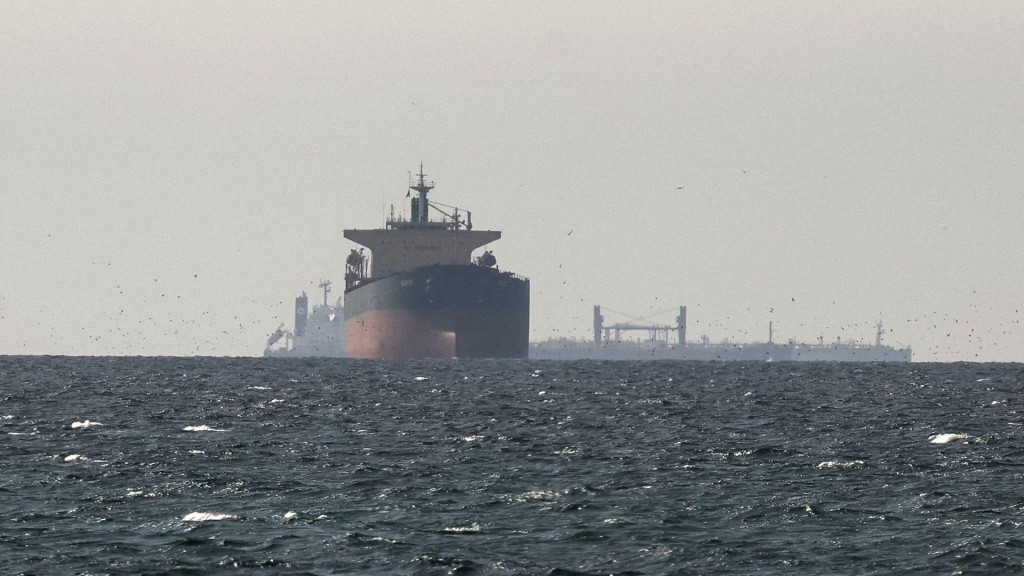
Iran demands transit fees in yuan, stablecoins for Strait of Hormuz passage
03-04-2026 02:45 HKT


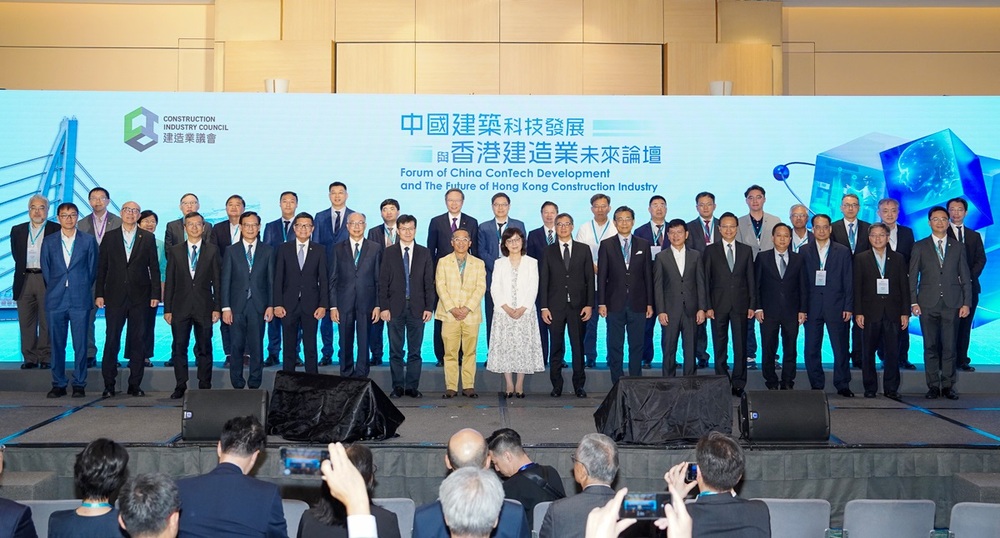
The Construction Industry Council’s ‘Forum of China ConTech Development and The Future of Hong Kong Construction Industry’ served as a catalyst for knowledge exchange and collaboration among industry stakeholders from mainland China and Hong Kong.
With the phenomenal pace of development in the Greater Bay Area, Hong Kong increasingly has a unique opportunity to create synergy with mainland China in the construction sector by leveraging its expertise and resources while tapping into the vast market and innovative advancements present in mainland China.
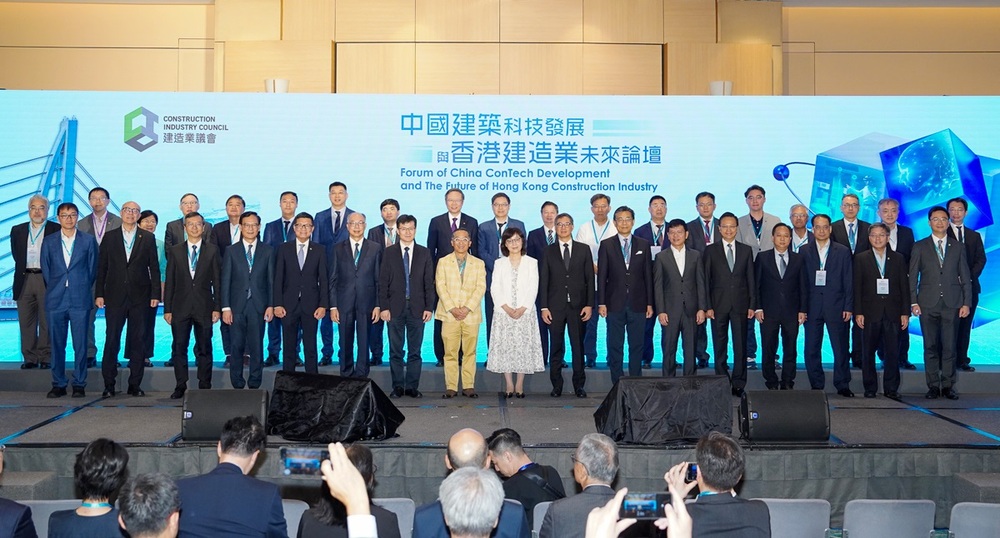
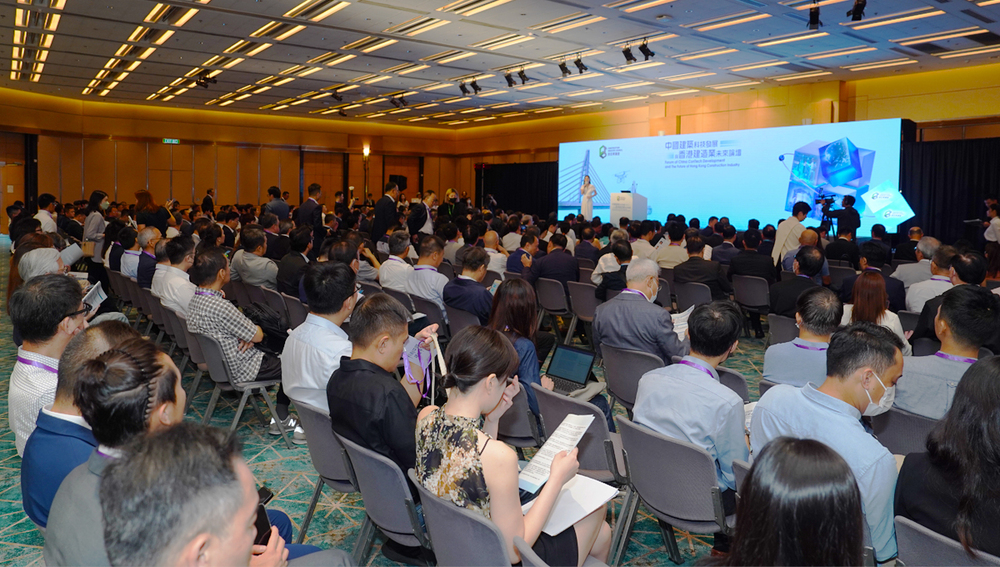
It is against this backdrop that the Construction Industry Council (CIC) hosted the highly-anticipated ‘Forum of China ConTech Development and The Future of Hong Kong Construction Industry’ at the Hong Kong Convention and Exhibition Centre, bringing together business leaders, top academics, tech giants’ decision-makers and government officials from across mainland China and Hong Kong to delve into the latest trends in building technology and the outlook of Hong Kong’s construction industry.
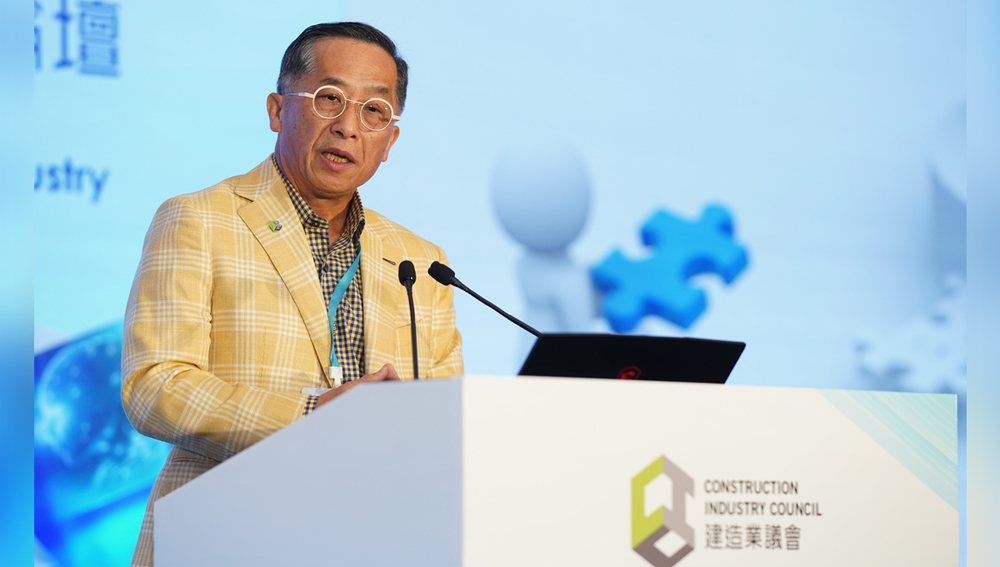
In a welcome address, Ir Thomas Ho On-sing, Chairman of the CIC, expressed his sincere gratitude to all the distinguished guests: “Today, we unite for a common purpose: to celebrate construction technology development and emphasize the joint efforts between mainland China and Hong Kong to make a global impact within the industry.”
An unprecedented transformation
The construction industry is witnessing unprecedented transformations. Technologies such as robotics, building information simulation and intelligent construction have revolutionized the industry, leading to a new chapter in industrialization and digitization.
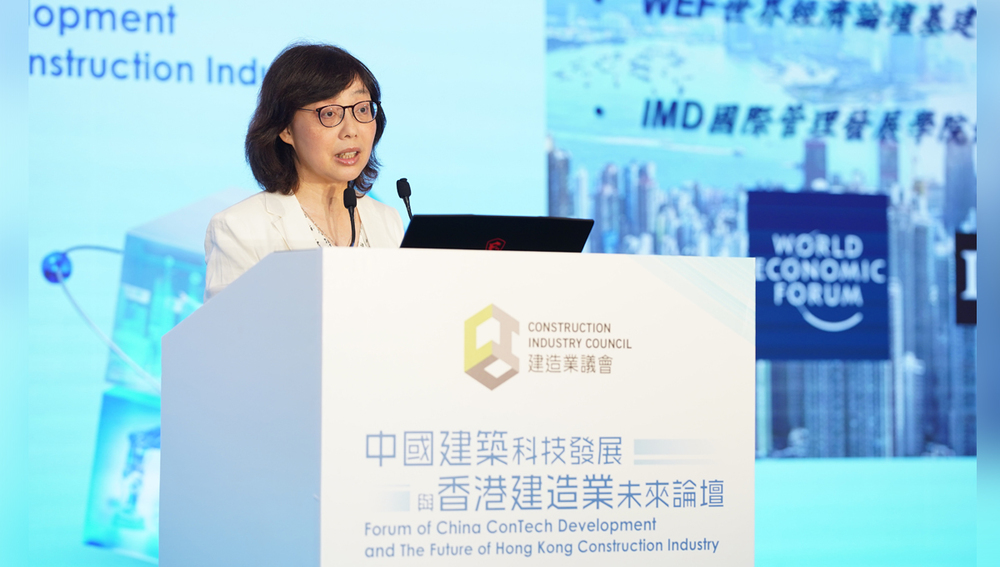
Secretary for Development Bernadette Linn Hon-ho JP, stated in her keynote address that Hong Kong is well-placed to capitalize on this era of industry disruption. “The HKSAR Government's expenditure on capital works in the next few years is estimated to exceed $100 billion annually, with the overall volume of works in the construction industry expected to grow to $300 billion per year,” she elaborated.
With a number of major projects in the pipeline, including the Northern Metropolis, Kau Yi Chau Artificial Islands, public housing, hospital development, and major transportation infrastructure, Linn said the city will “usher in another golden age for the industry as we enhance Hong Kong's competitiveness”.
Pinpointing science and technology as primary pillars driving progress in the industry, Ho also noted that we are at “a pivotal moment in the history of construction”. While underscoring the developmental focuses outlined in mainland China’s 14th Five-Year Plan, including safety, sustainability, quality, speed and productivity, he said: “The construction projects in mainland China are nothing short of visionary; they harness advanced technologies such as modular integrated construction (MiC) and digitalization to redefine the construction landscape.”
Echoing the same sentiment as Linn, Ho said: “Hong Kong should capitalize on its strengths as an international city, expertise in project management and extensive business networks. With tremendous support from our mainland China counterpart, we are creating a strong synergy that will propel us to an even brighter future.”
Driving progress together
The forum aimed to shed light on the construction industry’s current landscape and future in the light of technological advancements and sustainable development. During the morning session, Professor Ding Lieyun, Academician of Chinese Academy of Engineering, delivered a presentation on the rapid changes coming to construction through digitization and intelligent technologies. He outlined how digital twin technologies, artificial intelligence and robotics will fundamentally reshape the construction process, making it more efficient and data-driven.
Sustainability emerged as a key theme with discussions on low-carbon, eco-friendly materials and renewable energy application. In a presentation, Professor Chen Xiangsheng, Academician of Chinese Academy of Engineering, spoke on innovations for sustainable rail infrastructure. Noting mainland China's ambitious plan for achieving carbon neutrality by 2060, Chen believed self-sensing materials, structural monitoring, digital twinning and data management can enable more efficient green construction processes toward meeting climate targets.
During another presentation, Professor Teng Jin-Guang discussed breakthroughs in civil engineering using fiber-reinforced polymer (FRP) composites and FRP bar-reinforced sea sand concrete (SSC), as seen on mainland China’s Wenzhou Dongtou Bridge and Canada’s Manitoba Floodway Project. He pointed out that these materials are capable of boosting strength and corrosion resistance, and hence could transform sustainable infrastructure worldwide through more durable, resilient designs.
Meanwhile, Professor Liu Jia-ping, Academician of Chinese Academy of Engineering, probed into the latest research and applications of modern concrete. Liu said that, given the complexity of modern engineering design and construction constraints, high-performance concrete is the way to go. Modern concrete, being a more sustainable and durable option that requires fewer resources, can meet the rising demands of infrastructure projects.
Professor Li Zexiang, Professor of The Hong Kong University of Science and Technology, closed out the morning session by examining the challenges and opportunities brought by smart construction. While the construction industry in Hong Kong faces challenges of an aging workforce, shortage of skilled labor and rising costs, opportunities also abound in areas like predictive maintenance and intelligent safety monitoring using the Internet of Things (IoT) and 3D sensors, Li said.
If there's one thing that all the speakers concurred on, it's that ongoing partnership between Hong Kong and mainland China is key to tackling built environment challenges through cutting-edge science and technology. Just as Ho shared with the distinguished delegates, “Your presence here today is a testament to our shared commitment to innovation in construction. Together, we will translate our words into action and bring about meaningful change.”