Read More

Night Recap - April 3, 2026
7 hours ago
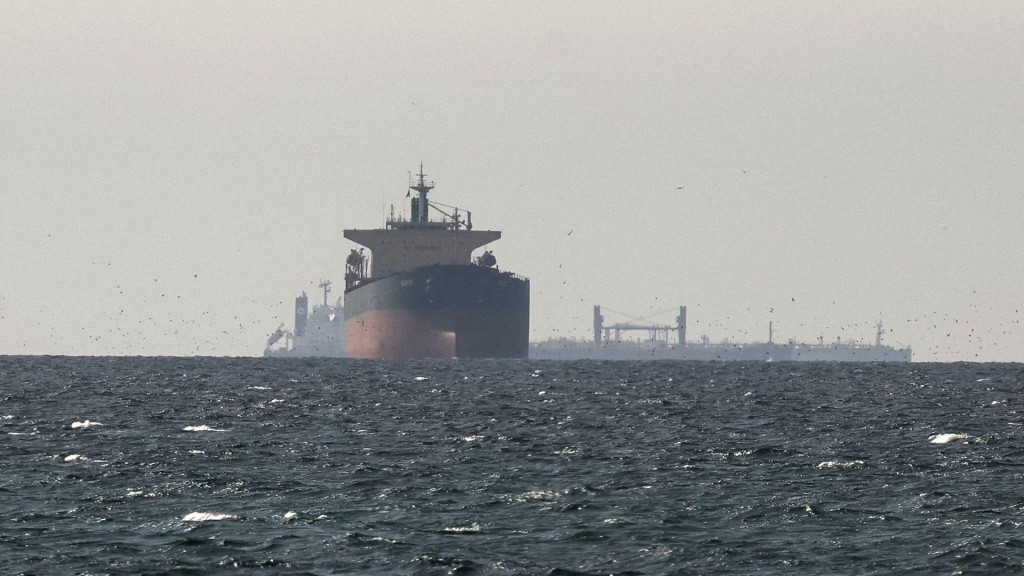
Iran demands transit fees in yuan, stablecoins for Strait of Hormuz passage
03-04-2026 02:45 HKT


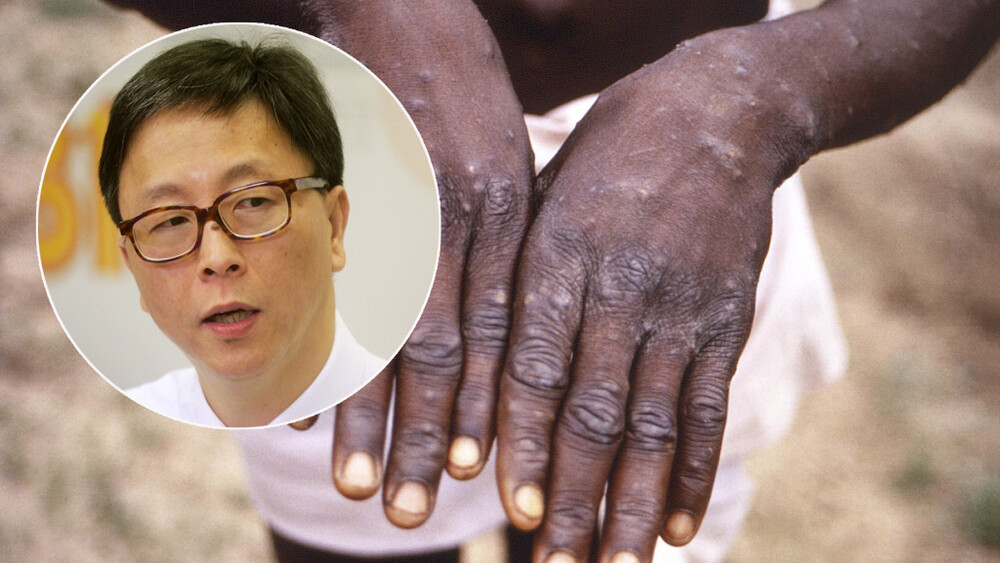
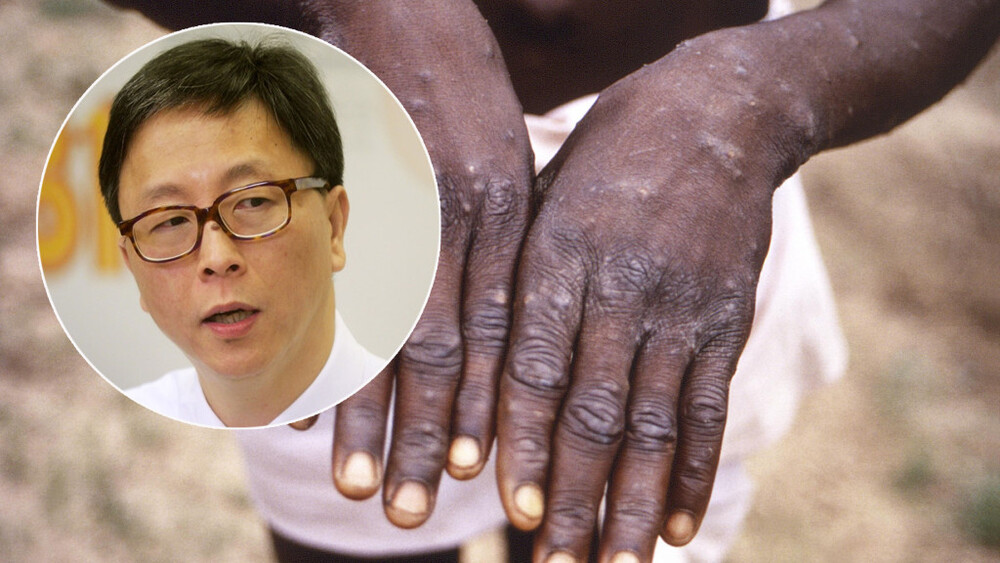
University of Hong Kong microbiologist Ho Pak-leung said on Wednesday that he believes the risk of a monkeypox outbreak in the territory is minimal, with most people not at risk of the viral disease.
His comments came after health authorities reported yesterday the city’s first imported case of monkeypox. The patient is a 30-year-old man from the Philippines and is currently undergoing treatment at Queen Mary Hospital.
Speaking on a radio program this morning, Ho said the disease is not highly contagious and was found mainly in specific individuals classified as high-risk groups.
He also said the medical staff who treated the patient were at low risk of infection.
Meanwhile, the head of Hong Kong University’s Centre for Infection expected the number of monkeypox vaccines authorities acquired will not be enough for everyone, calling on authorities to prioritize vaccination for close contacts of the patient.
He also suggested priorities be given to groups with the highest infection risk, including men who have sex with men.
The Centre for Health Protection said in a statement yesterday that the patient arrived in Hong Kong on September 5 from the Philippines via flight PR300 and underwent quarantine at Ramada Hong Kong Harbour View hotel.
He developed symptoms including a severe sore throat and difficulty swallowing in the late evening of the same day. He also developed a skin rash as well as lymphadenopathy in the past week.
“He has been sent to Queen Mary Hospital and has not entered the local community. The patient is isolated in a single Airborne Infection Isolation Room. He is now in stable condition. His samples were collected and tested by the CHP’s Public Health Laboratory Services Branch, and the result tested positive [on Tuesday].” The statement read.
Following the confirmation of the case, authorities have also activated the Alert level of the Preparedness and Response Plan for Monkeypox, reflecting a low immediate health impact caused by monkeypox on the local population.
Under the Alert response level, the SAR government will take a series of follow-up actions, including enhancing its control and prevention measures in the community by putting potentially exposed persons under medical surveillance or quarantine as appropriate. It will also strengthen health surveillance measures at boundary control points and enhance related health education to the public through various means.