Read More



Night Recap - August 24, 2026
1 hour ago









IT manager sentenced to 22 months for stealing $1.2m in Deloitte laptops
21-08-2026 21:49 HKT



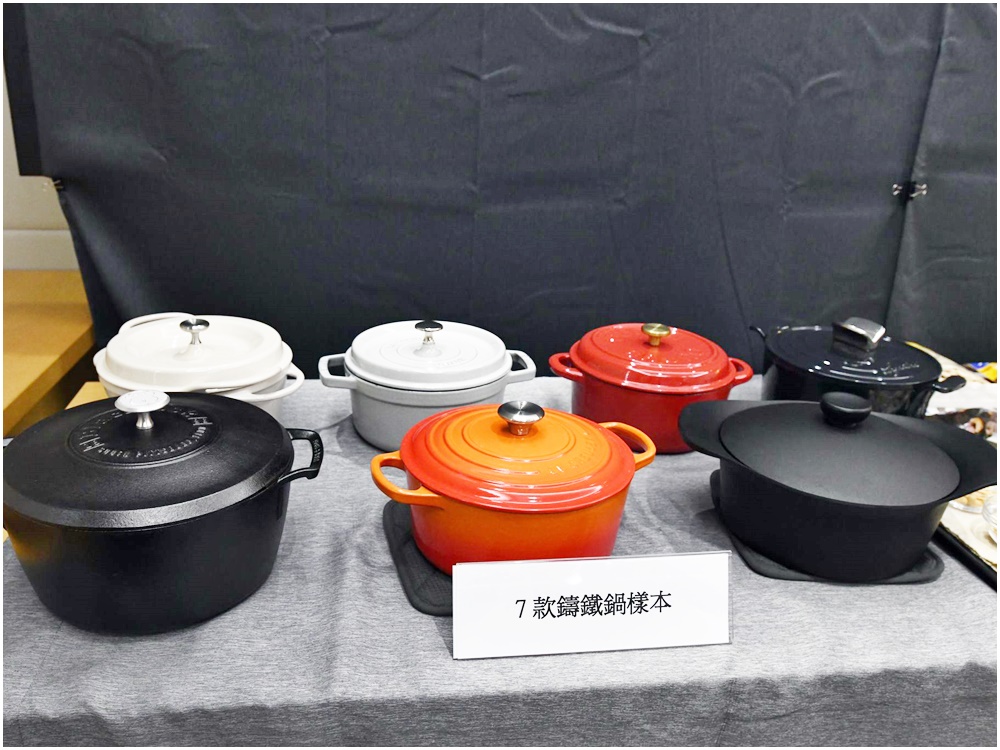
Four cast iron cooking pot models sold in Hong Kong, including a Bruno one, were found to release harmful metals exceeding international standards.
Cast iron cooking pots are a kitchenware favorite among avid home cooks, due to their remarkable heat conductivity and heat retention.
However, a recent test by the Consumer Council found that four out of the seven tested models released different types of harmful metals that exceed the international standard or one set by the Council of Europe, putting people’s health at risk.
Of the four models, the amount of iron released by Lodge’s Blacklock Triple Seasoned Cast Iron Dutch Oven exceeded the upper limit of the Council of Europe’s guide by 54 times.
Meanwhile, another model – Bruno’s Enameled Cast Iron Pot – was found to release the carcinogenic heavy metals arsenic and cadmium. The amount of arsenic released exceeded the upper limit of the international standard by 16 times.
The other two, Vermicular’s Enameled Cast Iron Pot and Sori Yanagi’s Tekki pot, were found to release cobalt, lithium, and iron at amounts slightly exceeding the international standard.
The watchdog said if metals are released from cookware into food, those who consume the food could see the metals accumulate inside their bodies – resulting in excessive metal intake and health risks.
“Arsenic, cadmium and chromium compounds have been categorized by the International Agency for Research on Cancer as ‘carcinogenic to humans,’ while cobalt is also categorized as ‘possibly carcinogenic to humans.’
“In addition, although lithium could be used as a medication to treat bipolar disorder, excessive intake could cause mild diarrhea, nausea, and hand tremors, and may have the risk of impacting thyroid functions or abnormal fetal development,” the council stated.
The watchdog added that the test results have been referred to the Customs and Excise Department for follow-up action.
The Council also urges manufacturers to review the products’ raw materials and manufacturing process promptly and improve product quality, in order to safeguard the health of consumers.