Read More





Morning Recap - October 7, 2026
4 hours ago






Abby Choi's remains found in soup pots with carrots, court hears
05-10-2026 13:53 HKT


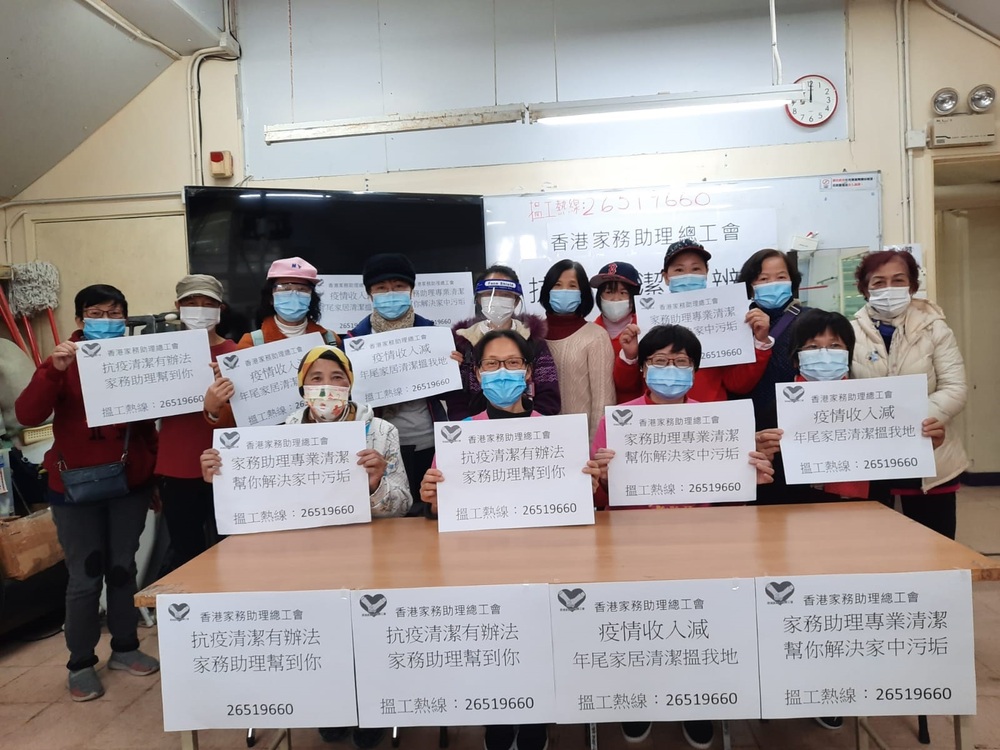
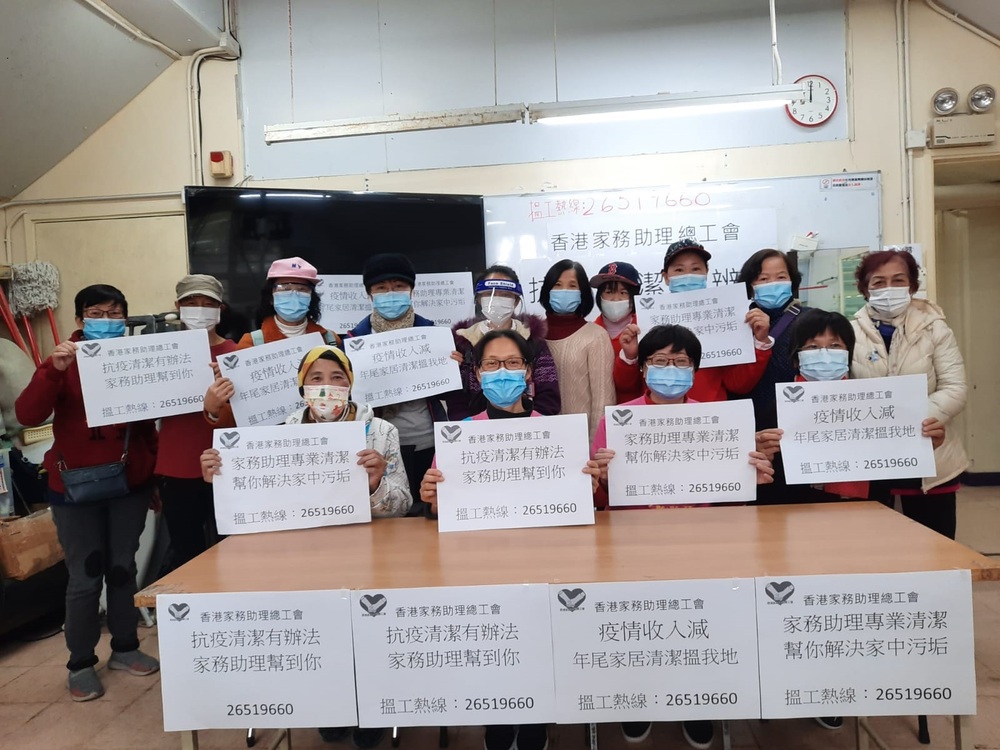
Ahead of the Lunar New Year, local domestic workers said their income halved as employers stopped hiring them to minimize infection risks.
They will be maintaining the charges for cleaning before Lunar New Year, charging HK$130 to HK$150 per hour.
About 300 local domestic workers of the Hong Kong Domestic Workers General Union are facing the issue of underemployment.
A local domestic worker named Chan, with about 20 years of experience said she normally works about 20 hours per week before the pandemic started last year but recently her working hours have shortened to about ten hours per week.
Cheung Yin-foon, the vice-chairperson of the union and a local domestic worker, said her income has greatly reduced because some employers have opted for cleaning the apartment by themselves instead of hiring her to minimize the risk of infection.
Employers need not worry, Cheung added, emphasizing that local domestic workers from the union will first sanitize themselves before working at employers’ living space. They will wear masks and gloves the entire time and help clean the U-traps installed at home.
She said usually local domestic workers receive bookings for cleaning during Lunar New Year as early as December but workers only received several inquiries this year.
Hong Kong Domestic Workers General Union and Hong Kong Confederation of Trade Unions launched a Lunar New Year cleaning service scheme for the public to book cleaning services for the upcoming festival.
It is suggested that households of 500 square feet or below should hire two local domestic workers for four hours to increase effectiveness and reduce working hours. Those of 600 square feet or above should hire three local domestic workers for four hours or above.
Mui Sik-chi from the Hong Kong Confederation of Trade Unions suggested the government provide underemployment and unemployment subsidy for local domestic workers.
They have not benefited from the government’s multiple rounds of anti-epidemic fund because local domestic workers are casual employment-based.