Read More





Amber rainstorm warning issued at 11am
10 hours ago






Man steals $22,000 Chanel handbag from Tsuen Wan Plaza shop
03-04-2026 20:43 HKT


Iran demands transit fees in yuan, stablecoins for Strait of Hormuz passage
03-04-2026 02:45 HKT
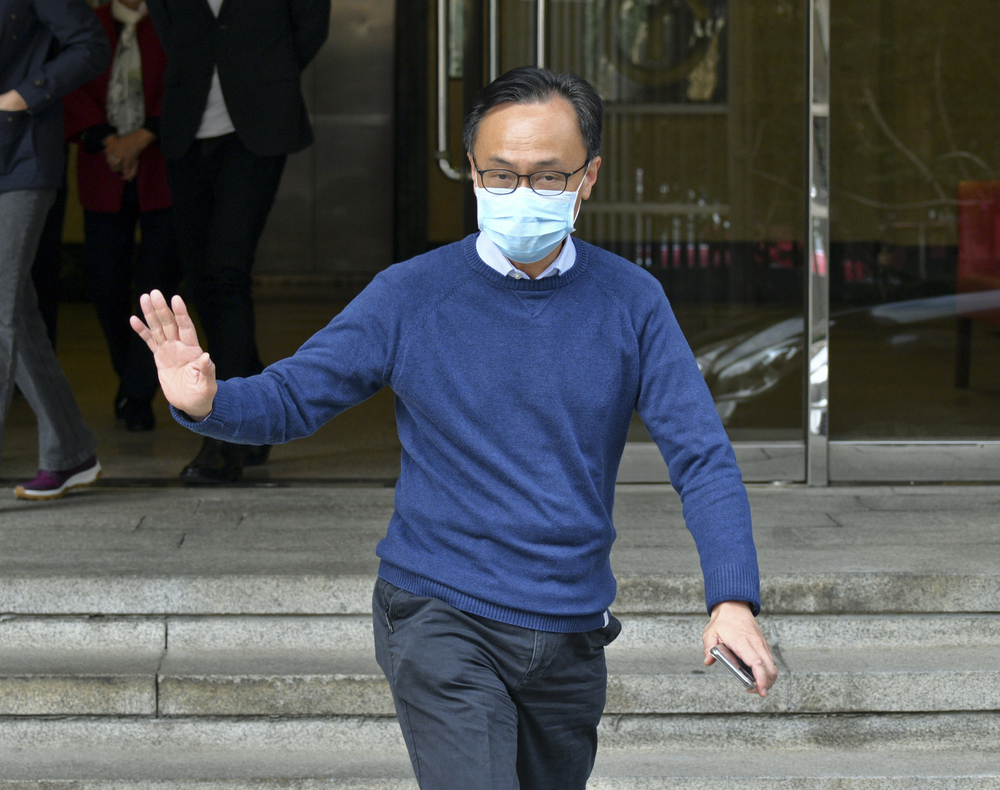
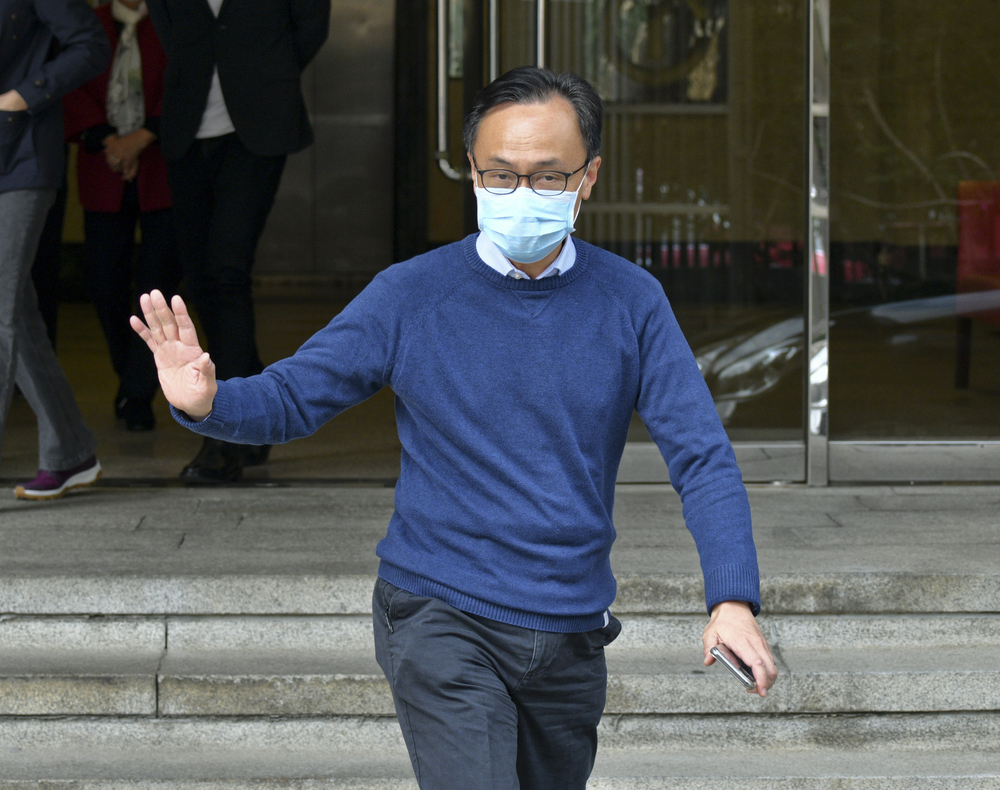
About 180,000 civil servants in Hong Kong would risk losing their jobs if they refuse to take an oath of allegiance to the Basic Law and the SAR, said Patrick Nip Tak-kuen.
The Civil Service Secretary said government officials who violate the oath or speak against “one country, two system” might risk circumventing the national security law.
Speaking in a radio program, Nip said it is a “basic requirement” for civil servants to uphold the Basic Law and be responsible to the SAR government.
“Refusing to take an oath or sign a declaration… cause serious doubts that the relevant officers don’t accept or disagree such basic requirement,” said Nip.
He added if the relevant officers fail to publicly confirm such a requirement, they wouldn’t be suitable to work as a public servant.
In such cases, the Bureau would consider asking the relevant public officers to leave under the existing management mechanism, he said. After that, applications for promotion, transfer and extension of service term made by the relevant officers would not be accepted.
No timetable for the oath-taking session had been set yet.
Nip said it would be difficult to spell out details of civil servants' specific actions that would be considered contravening the national security law.
If a civil servant violates the governing principle of “one country, two system,” it is likely that the offense would be linked to the national security law. His duties would be suspended accordingly.
But he stressed only “serious actions” would breach the oath and rejected the idea of speech crime.
“If one’s not upholding the Basic Law, he stands a high chance of going against the principle of ‘one country, two system’, the fact that Hong Kong is a part of the nation, or even promoting Hong Kong independence… all these are linked to the national security realm,” he said.
“I think it would be no problem for civil servants to express their views over policies or measures because they want to do better. But if you are targeting at the government with frequent confrontations and animosity, or completely rejecting the administration, it’s another issue.”