Read More








Louis Koo and production house sued for $149 million over unpaid loan
03-09-2026 17:07 HKT

Leslie Cheung 70th birthday exhibition brings the legend back to fans
03-09-2026 19:26 HKT
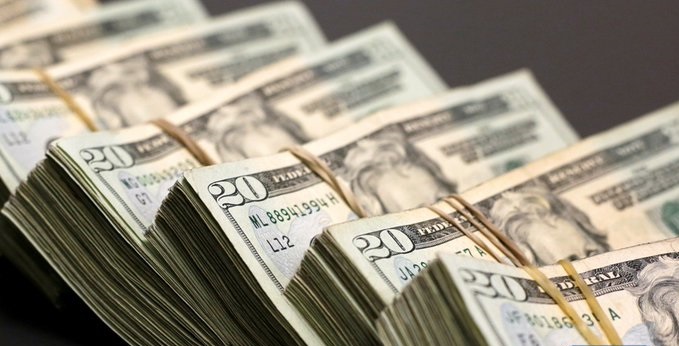
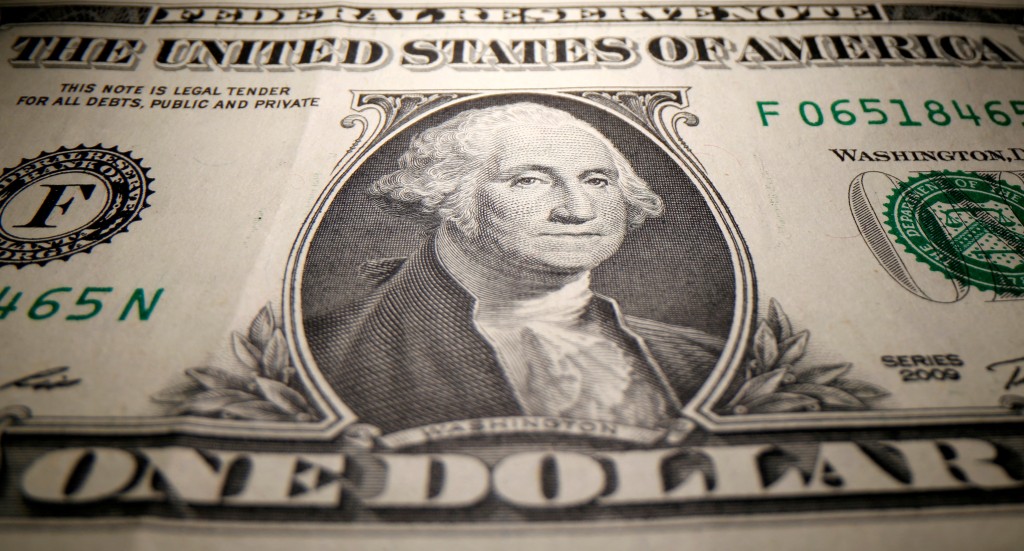
US economist Stephen Roach warns next year will be brutal for the dollar, CNBC reports.
Not only does he see growing odds of a double-dip recession, the Yale University senior fellow believes his “seemingly crazed idea” that the dollar would crash should not be so crazy anymore.
“We’ve got data that’s confirmed both the saving and current account dynamic in a much more dramatic fashion than even I was looking for,” Roach told CNBC’s “Trading Nation” on Wednesday.
Roach highlights two ominous second quarter figures.
“The current account deficit in the United States, which is the broadest measure of our international imbalance with the rest of the world, suffered a record deterioration in the second quarter,” he said. “The so-called net-national savings rate, which is the sum of savings of individuals, businesses and the government sector, also recorded a record decline in the second quarter going back into negative territory for the first time since the global financial crisis.”
Right now, the U.S. Dollar Index is trading around 94. When Roach predicted on “Trading Nation” last June the index would plunge by 35 percent, it was trading around 96.
At the time, Roach estimated it would happen in the next year or two, maybe more. But now, he sees it happening by the end of 2021.
“Lacking in saving and wanting to grow, we run these current account deficits to borrow surplus saving, and that always pushes the currencies lower,” he said. “The dollar is not immune to that time honored adjustment.”
He puts the probability of a U.S. double-dip recession above 50 percent.
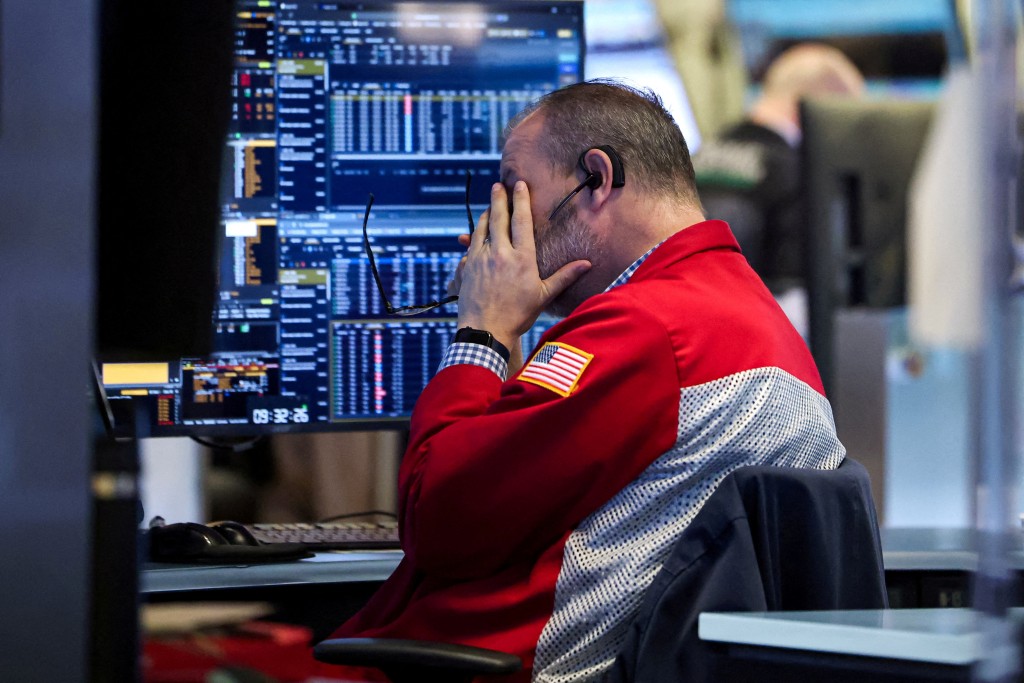
“As we head into flu season with the new infection rates moving back up again with mortality unacceptably high, the risk of an aftershock is not something you can dismiss,” Roach said. “The record of history suggests that this is not a time unlike what the frothy markets are doing to bet that this is different.”