Read More












Nearly 1.26mn Hongkongers hop out of town, with 225,000 crossings by 10am
05-04-2026 17:11 HKT
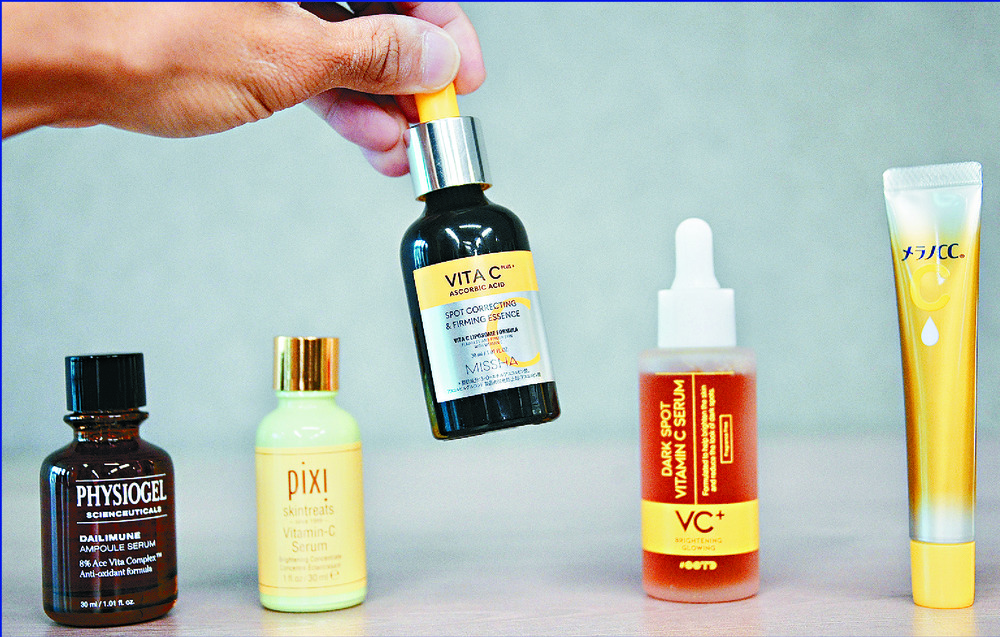
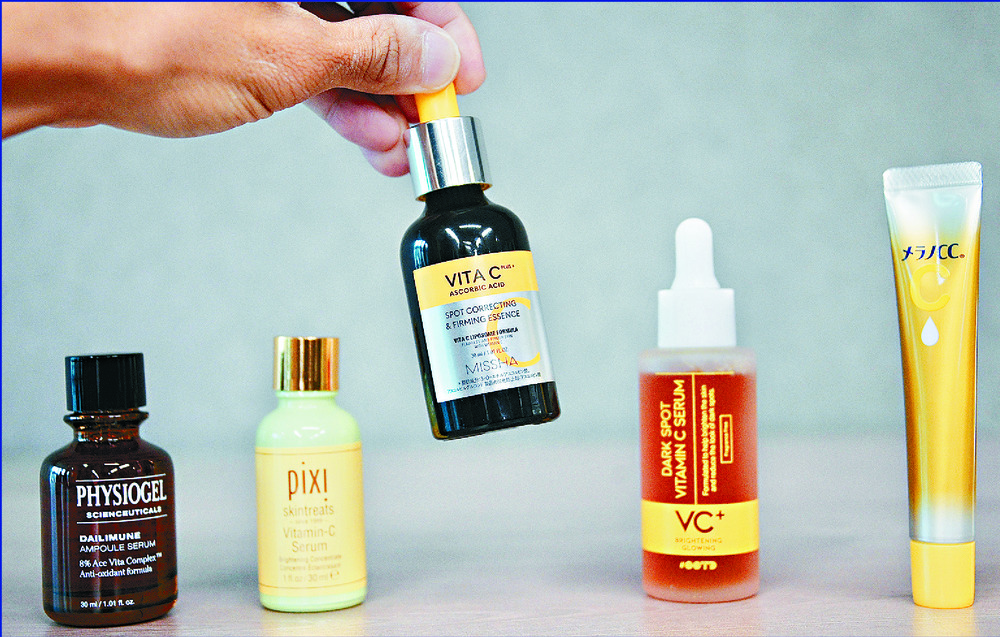
More than half of skincare products contain a lower concentration of vitamin C than claimed on their labels, including one South Korean brand with no vitamin C in it, says the Consumer Council.
Vitamin C is known for its antioxidant properties. Many skincare products use vitamin C as a selling point and claim they have anti-oxidizing, anti-aging or whitening properties.
But one sample, Missha's Vita C Ascorbic Acid Spot Correcting & Firming Essence from South Korea, priced at HK$185 for 30ml, was found to have no vitamin C at all.
Council chief executive Gilly Wong Fung-hang said the watchdog has shared the test report with the Customs and Excise Department."If there is any violation of the Trade Descriptions Ordinance, they will take independent enforcement actions," Wong said.
The tests showed that the vitamin C concentration in the other 16 samples ranged from 0.66 percent to 13 percent, with 10 samples having a lower concentration than indicated, with discrepancies of 0.2 to 6 percent.Kiehl's powerful-strength line-reducing concentrate, sold for HK$770 for 50ml, was found to have the most significant discrepancy.
The label claims to contain 10.5 percent of vitamin C and another 2 percent of vitamin C derivatives, but the test revealed it only had a 4.5 percent concentration.Kiehl's responded that the council's test result might have been affected by the storage time, temperature and light, as vitamin C is highly unstable.
The watchdog also discovered that seven models contained fragrance allergens with restricted use by the Cosmetic Regulation of the European Union. However, only three of them had all or part of the relevant fragrances labeled on the packaging."If eczema sufferers or individuals with allergies inadvertently purchased those products and become overly exposed to those fragrances, they may develop symptoms such as allergic contact dermatitis and rashes," Wong said.
She urged manufacturers to improve the transparency of labeling information and warn consumers of possible side effects after use.Wong cited a study that suggested a concentration of vitamin C between 10 and 20 percent would enhance skin stability.
However, she cautioned that an excessively high concentration could lead to skin allergies.