Read More



Amber rainstorm warning issued at 11am
7 hours ago



Iran demands transit fees in yuan, stablecoins for Strait of Hormuz passage
03-04-2026 02:45 HKT


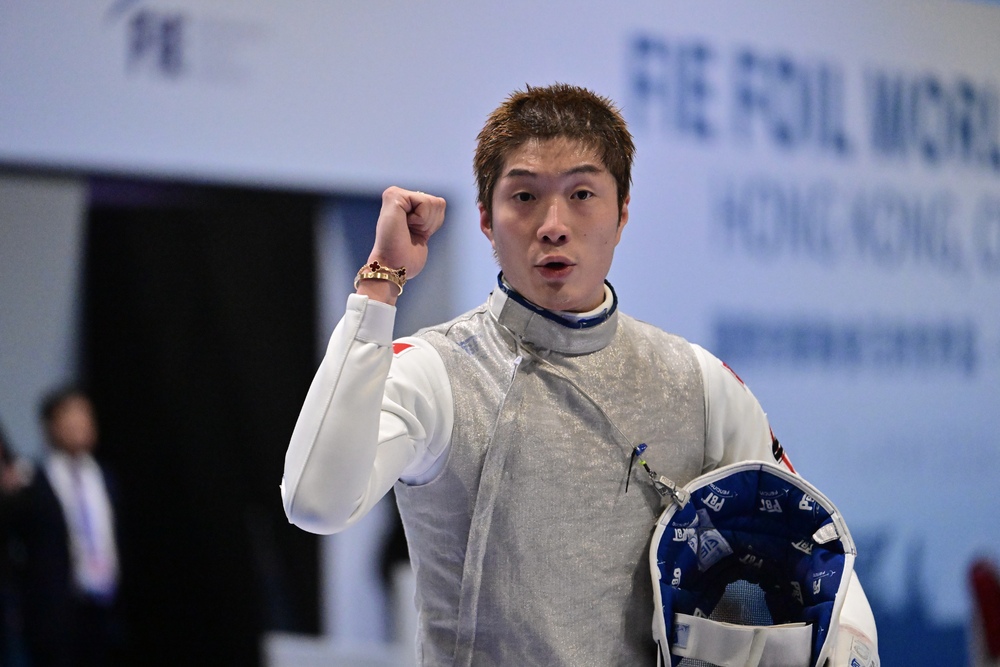
Local athletes have to maintain consistency and win medals in every Olympics before expecting to see better results, says the chief executive of the Hong Kong Sports Institute, Tony Choi Yuk-kwan.
Speaking on a television program yesterday, Choi expects Hong Kong athletes to qualify for 31 events in the Paris Games in July, fewer than the 46 in the Tokyo Olympics.
He said the number is right on target as coaches and athletes have been working hard to prepare.
"Last year we had the Asian Games in Hangzhou and we need to prepare for the Olympics this year and the National Games next year," Choi said.
Hong Kong athletes have qualified for 31 events for the Paris Olympics as of May 8.
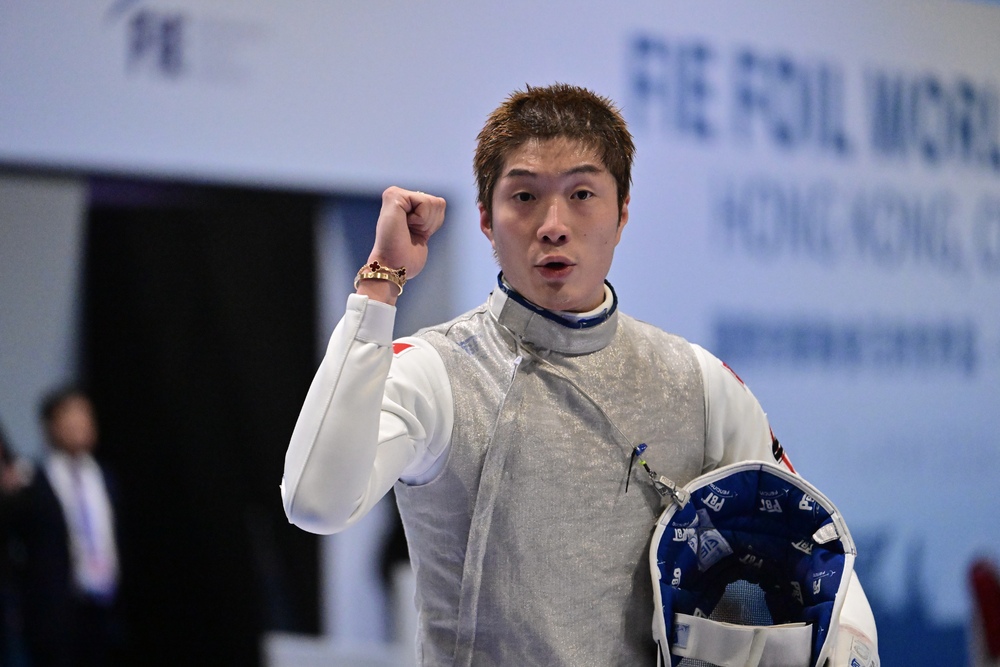
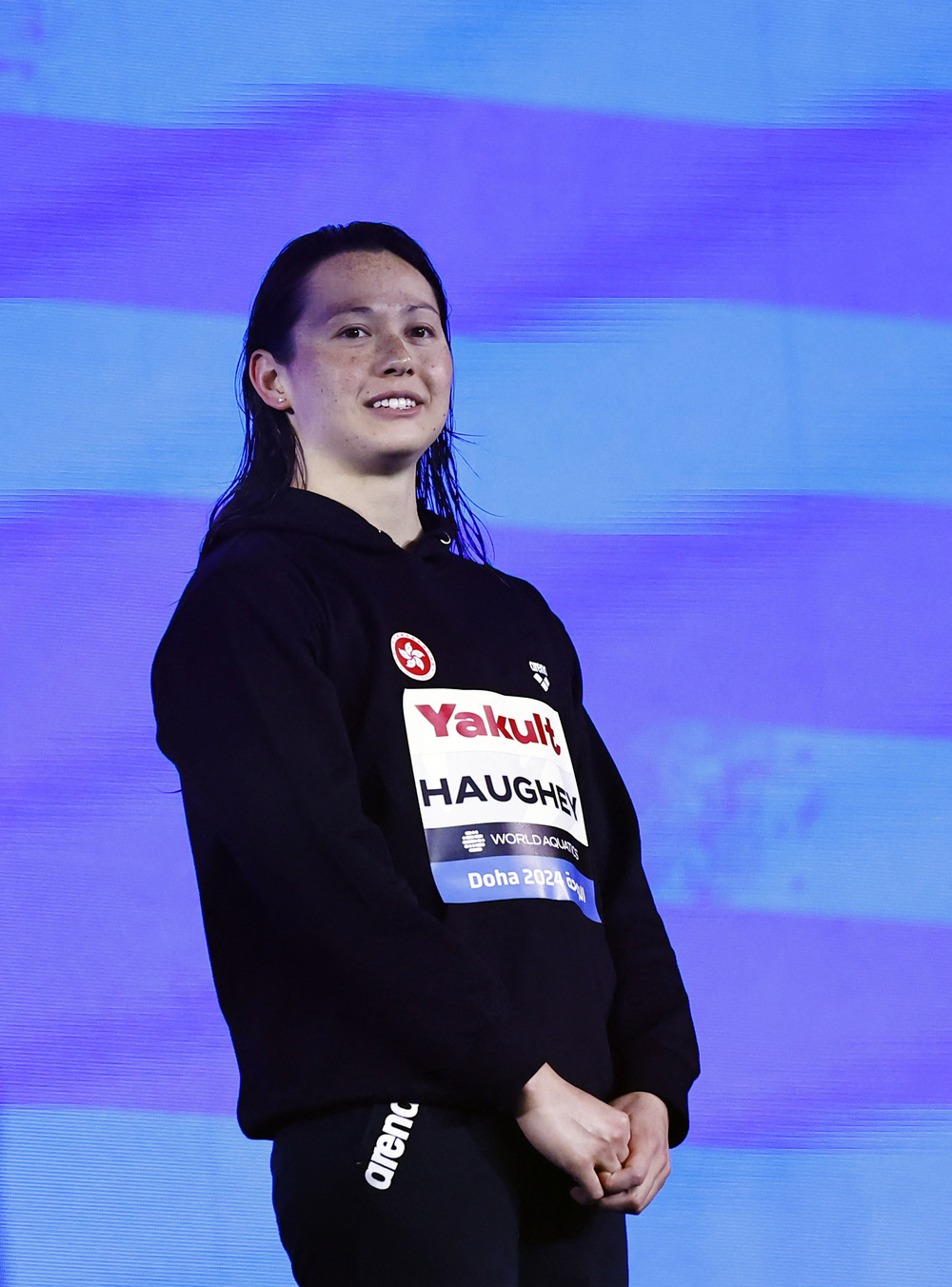
Olympic silver medalist Siobhan Haughey will compete in five events and top fencer Edgar Cheung Ka-long, who won gold in Tokyo four years ago, will vie for gold in the foil event.
Choi said it is more important for the Hong Kong team to break the curse of winning medals only every other Games than pursue more medals.
Hong Kong won its first medal in the 1996 Olympics, with female windsurfer Lee Lai-shan winning gold in Atlanta.
The city won again in the 2004 Games in Athens when table tennis players Ko Lai-chak and Li Ching took the silver in the men's doubles.
Female road and track cyclist Lee Wai-sze won bronze eight years later in 2012 in London before Hong Kong led a 46-strong delegation to the Tokyo Olympics in 2020 and won one gold, two silver and three bronze medals - its biggest haul so far.
Choi said the performance of the Hong Kong team has been erratic.
"It usually takes 10 to 12 years to train an elite athlete but Hong Kong did not start elite sports training until 10 years ago," he said.
"We have a small population and a short history of sports culture.
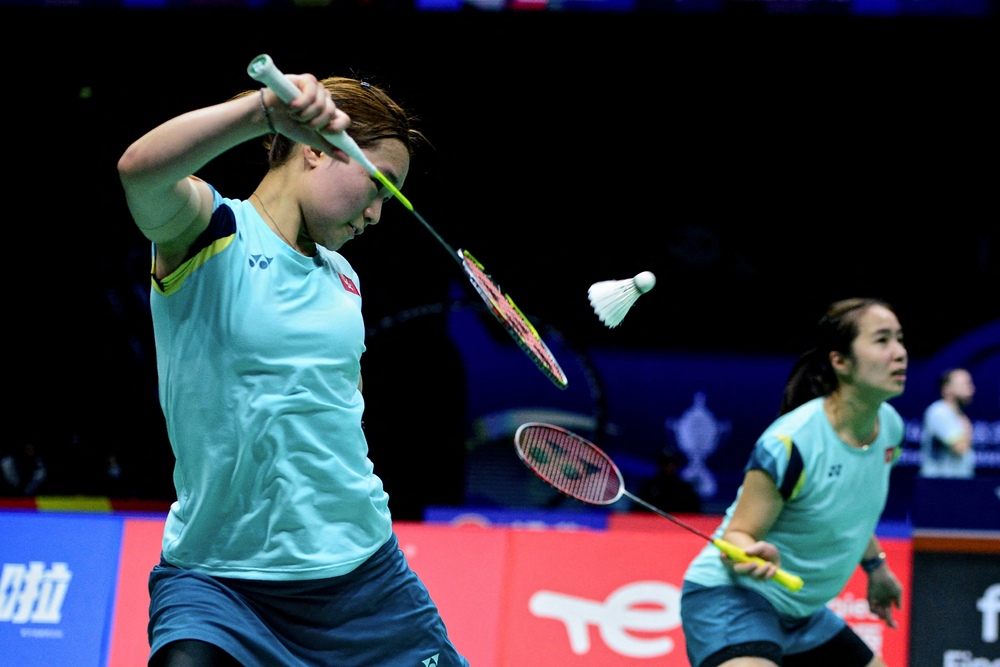
"I dare not say that we develop great advantages but at least I hope we can be competitive in events such as fencing, swimming, table tennis, badminton, karate and squash in the future."
Choi said he is glad to see that society has valued elite athletes' performance more in recent years and that the number of full-time athletes has been increasing. Choi suggested developing a "sports tourism economy" by turning sports events into major spectacles.
ayra.wang@singtaonewscorp.com