Read More




Amber rainstorm warning issued at 11am
10 hours ago






Man steals $22,000 Chanel handbag from Tsuen Wan Plaza shop
03-04-2026 20:43 HKT


Iran demands transit fees in yuan, stablecoins for Strait of Hormuz passage
03-04-2026 02:45 HKT
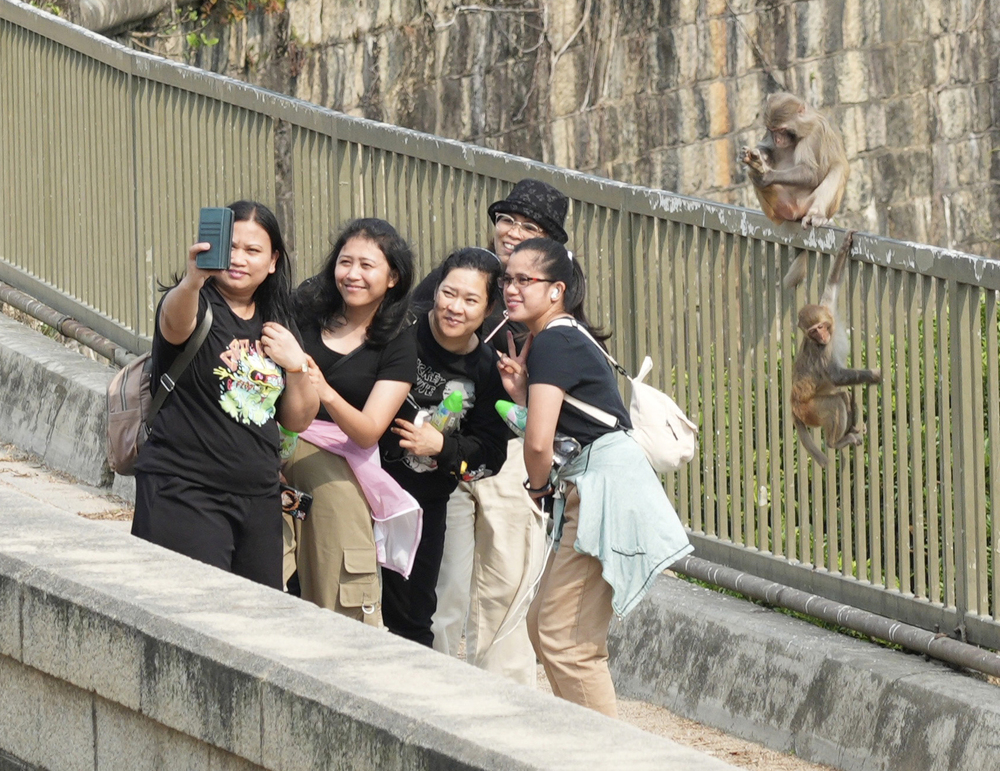
Some people were seen ignoring warnings while visiting the Kam Shan Country Park yesterday as a 37-year-old man who was attacked by wild monkeys there two months back - and just days ago was confirmed to be the first human B virus case in Hong Kong - remained in critical condition.
Despite the government warnings for people not to come into contact with wild monkeys, some hikers still took selfies with the simians at the country park during yesterday's Ching Ming Festival.
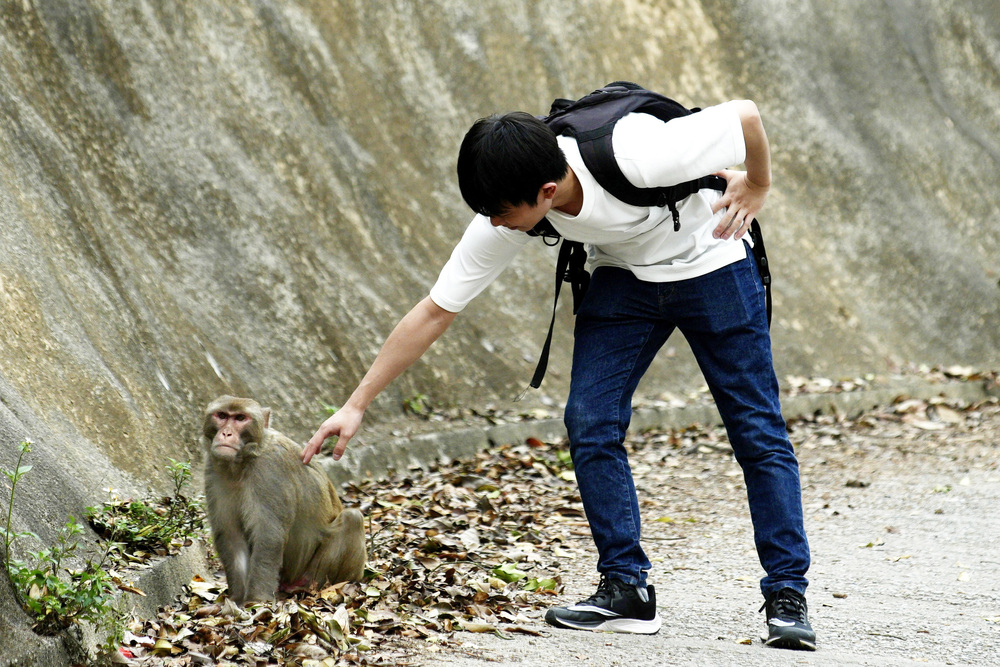
An individual was seen touching a monkey despite the threat of contracting the B virus, which is common among macaques.
A hiker, Kwong, said he used to see people feeding the monkeys, which made them become less afraid of humans. "If people didn't give them food, the monkeys would chase them to take their food or bags," he said.
Kwong said hikers are responsible for their own safety and they should bring hiking poles to protect themselves.
Another park visitor, Ho, said people can hike safely as long as they do not harass any of the animals and that "it's not a healthy situation" that the monkeys are not afraid of humans at all.
"They are likely to spread bacteria or assault people I bring a hiking pole to protect myself but I do not use it readily," he said.
The Agriculture, Fisheries and Conservation Department stressed that people should not come into contact with the monkeys.
"When encountering monkeys, people should avoid eating in front of them and avoid direct eye contact to prevent being perceived as exhibiting provocative behavior," it said.
"When monkeys approach, one should slow down and keep an appropriate distance from them."
The AFCD said people who come into contact with a monkey or its excrement should immediately wash their hands, while those bitten or scratched should seek medical help.
People are banned from feeding wild animals in Hong Kong, for which they could be fined HK$10,000, the AFCD warned.
Such behavior, it added, would change the habits of animals and make them dependent on humans for food.
The 37-year-old patient, who was in good health before the attack in February, was sent to Yan Chai Hospital on March 21 due to fever and decreased conscious level.
He tested positive for the B virus on Wednesday.
He is in critical condition and is being treated at the intensive care unit, the Centre for Health Protection said.
The center said it is the first human B virus case in Hong Kong. The virus can be found in the saliva, urine and feces of macaques, a common species in the city.
According to the US Centers for Disease Control and Prevention, only 50 human B virus cases have been recorded globally since it was first detected in 1932. Among those cases, 21 died.
A specialist in infectious disease, Joseph Tsang Kay-yan, said delayed treatment following the infection could lead to an 80 percent fatality rate.
Those who are scratched by monkeys should clean their wounds with soap, detergent or iodine for 15 minutes before irrigating the wound for another 15 to 20 minutes, he said.
They should also seek medical help as soon as possible and take antiviral drugs within 72 hours.
wallis.wang@singtaonewscorp.com