Read More
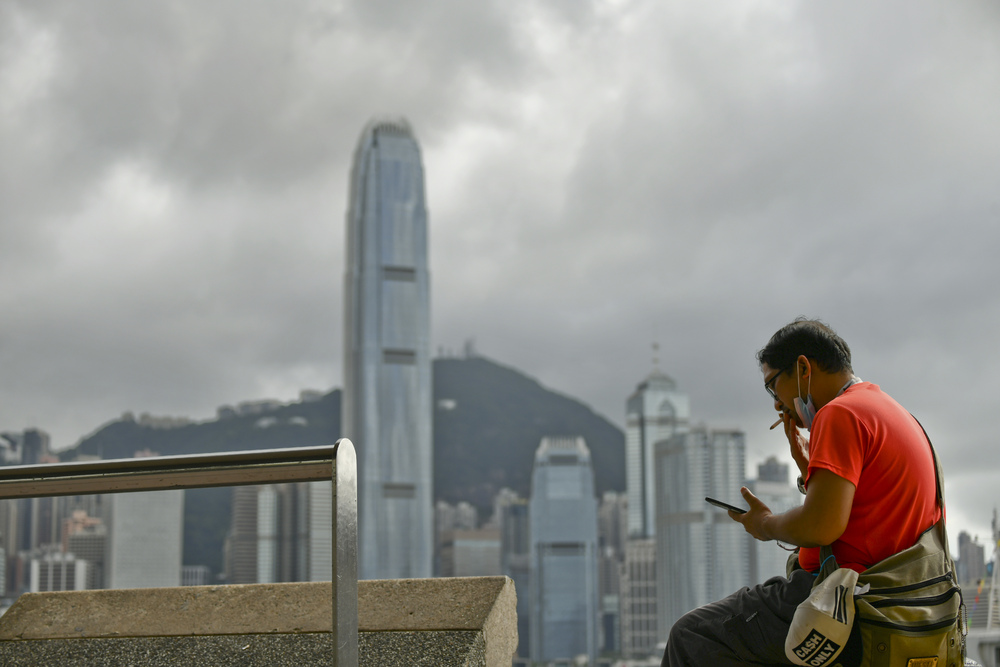
A total ban on selling, buying and obtaining cigarettes by 2030 should be imposed, experts at the University of Hong Kong's medical school suggest.
ADVERTISEMENT
SCROLL TO CONTINUE WITH CONTENT
They say if a total ban is imposed then tobacco sellers will give up on the Hong Kong market, making it easier for authorities to impose measures before 2030 that would include raising tobacco taxes and expanding smoke-free areas.
Officials can also consider banning menthol cigarettes or introducing cigarettes with a very low nicotine amount next year.
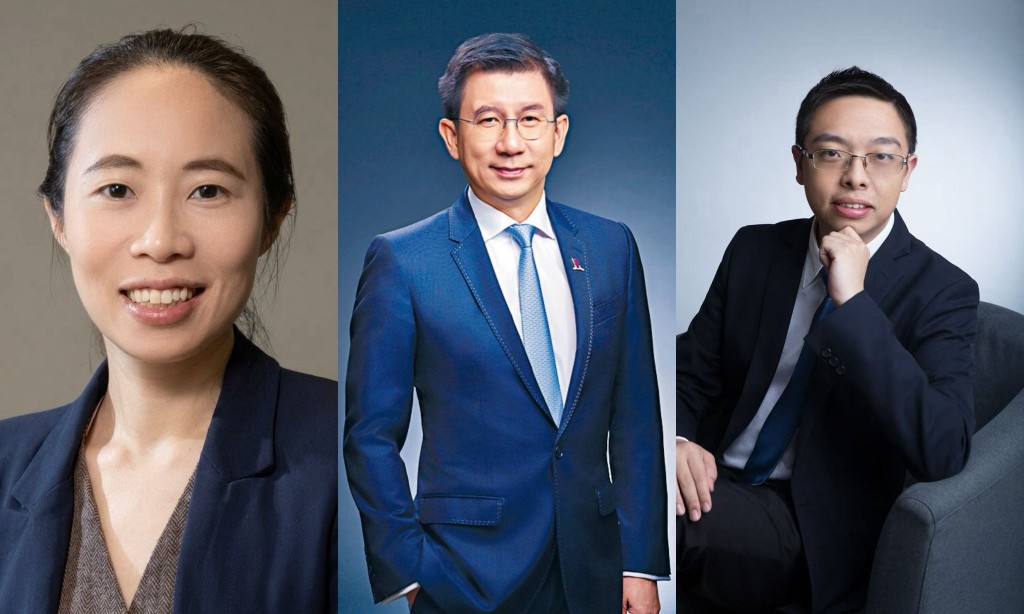
Associate professor Daniel Ho Sai-yin of the School of Public Health said yesterday there is "strong public support" for banning tobacco.
It usually takes three years for authorities to go through a public consultation and the legislative process to tighten tobacco-control measures, Ho noted.
But if the city can pass a bill that totally bans buying, selling, obtaining and importing tobacco products in 2030 the tobacco companies will give up on Hong Kong, knowing there will be no more business. And without objection from the firms officials will be able to go through legislative procedures more quickly on other measures.
Ho said it is feasible to achieve a smoke-free Hong Kong, where tobacco use is among the lowest in the world. Authorities have strong enforcement abilities to carry out measures, he said, and legislators are supportive of the tobacco endgame.
Chinese culture adopted in the city also emphasizes the collective welfare of child development, Ho said. "If there is any place in the world that can successfully ban tobacco it would be Hong Kong."
Ho said Hongkongers including children suffer from second-hand smoke, so a complete ban will boost public health.
HKU emeritus professor Lam Tai-hing said it is not extreme for the university to propose a total ban on tobacco products as Hong Kong is recording 7,000 smoking deaths a year - or around 20 everyday. Immediate action would save lives.
Professor Kelvin Wang Man-ping of the university's School of Nursing appealed to authorities to next year raise the tobacco tax to 75 percent, from 64 percent, as suggested by the World Health Organization.
The city can also learn from overseas experiences, Wang said, as some countries have adopted measures that include raising the tobacco tax automatically or linking the tax rate with inflation.
In a university survey of nearly 18,000 people almost 80 percent of respondents support raising the tax, and nearly one-third of smokers back such a move.
"Many smokers are rational and wish the government to help them quit smoking by raising the tax," Wang said. "Smoking is not people's free will. They are forced to smoke by nicotine. If the tax is raised significantly it can help smokers quit."
Some 55 percent said they would reduce smoking or even quit if cigarettes are more expensive.
wallis.wang@singtaonewscorp.com