Three men have been arrested for being involved in seven cases that scammed overseas students into buying gold by posing as mainland authorities, defrauding victims of HK$7 million.
ADVERTISEMENT
SCROLL TO CONTINUE WITH CONTENT
The arrests came after seven overseas mainland students reported being tricked by scammers impersonating mainland authorities, who claimed the victims had committed criminal offences.
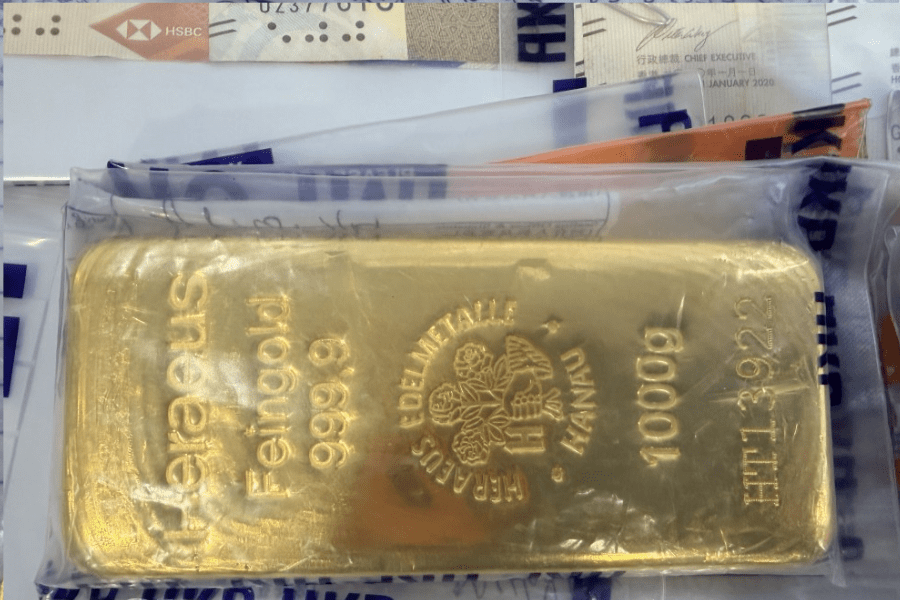
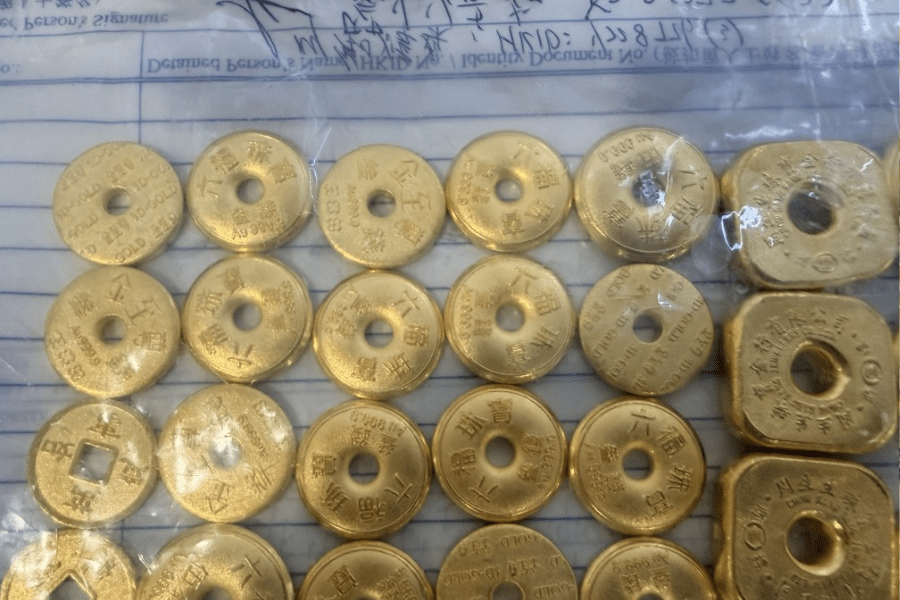
Apart from keeping the matter confidential to "cooperate with the investigation," the victims were also required to personally fly to Hong Kong to purchase and hand over gold pellets as a "guarantee."
The gold pellets were then passed to criminal syndicate members, who melted them for cash or cryptocurrency.
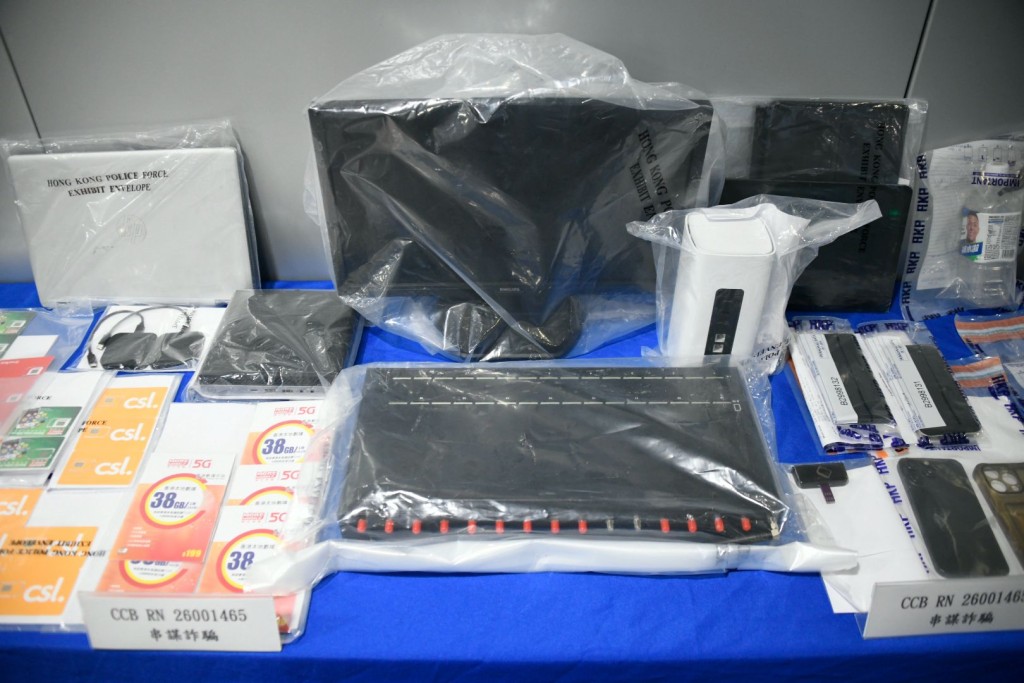
Following an in-depth investigation, officers arrested three mainland men, aged between 25 and 37, on suspicion of obtaining property by deception and handling stolen goods.
Police said two suspects believed to be posing as mainland authorities remain at large, and investigations are ongoing.
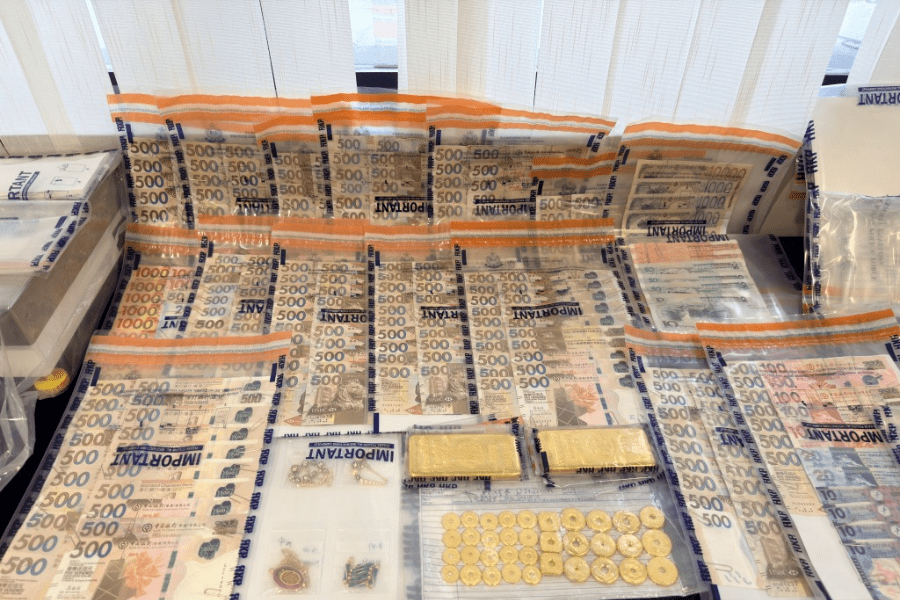
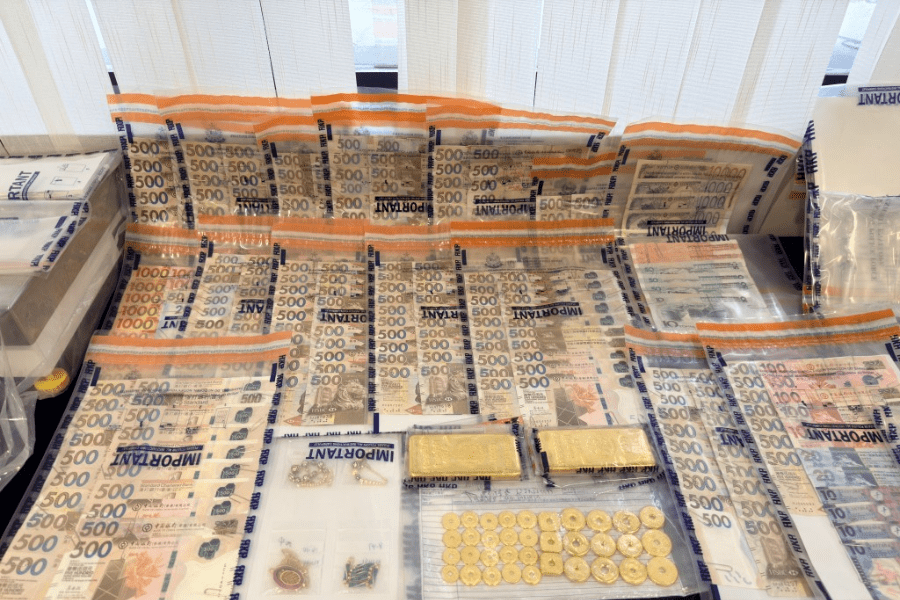
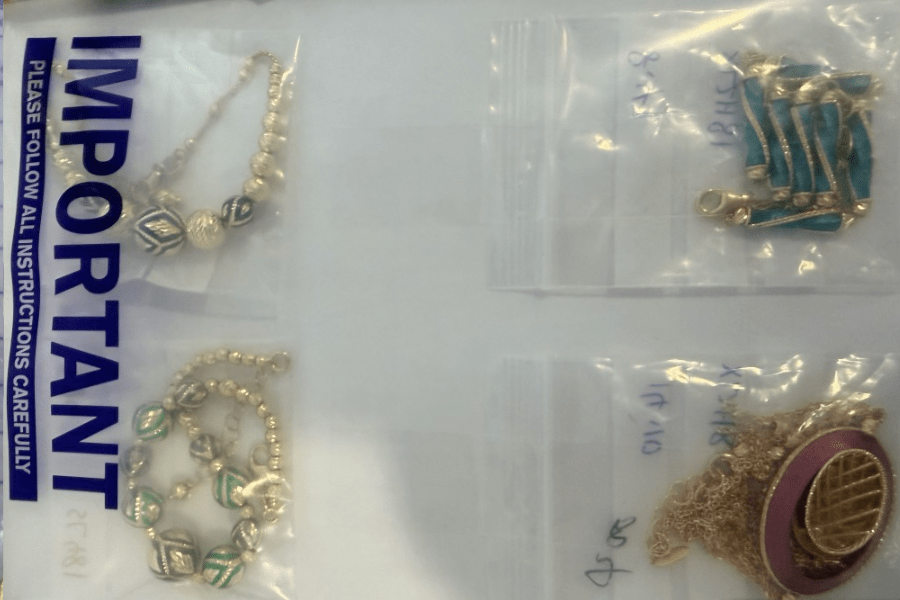
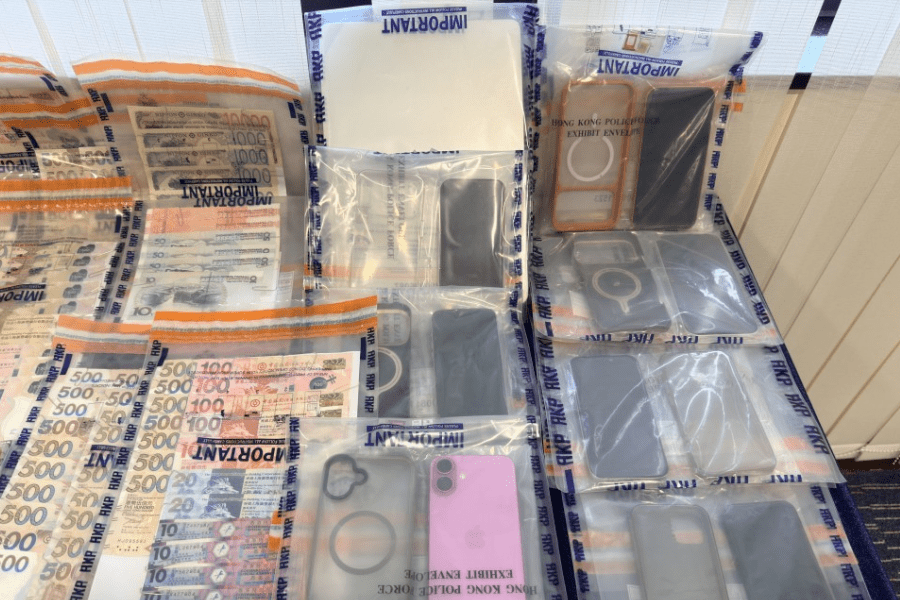
The total loss reached approximately HK$7 million, where police have currently solved four of the cases and recovered about HK$5 million worth of stolen goods during the operation.
+1
The largest single fraud involved HK$1.6 million in losses, with many victims telling their parents they needed money for tuition fees.
It is understood that victims included six mainland students studying in Australia and one mainland student in the United Kingdom. Some only realized they had fallen for the trap after returning and reported the incident to Hong Kong police by email.
The officers noted the fraudsters specifically targeted students who were far from home and unfamiliar with their surroundings.
Authorities particularly credited the timely report from frontline staff at jewellery shops and gold dealers in the arrest, who noticed the young victims acting strangely during the purchase.
Regarding similar crimes, officers noted they have issued anti-fraud guidelines to the industry, urging staff to be alert to anxious young customers who repeatedly check their phones.
They also added that victims tend to be ordered to purchase gold in multiple transactions over a short period. Staff are encouraged to ask about the purpose of the purchase if they encounter a suspected fraud victim, or call the Anti-Scam Helpline at 18222.
Meanwhile, anti-fraud messages have been spread through mainland student groups in Hong Kong, urging students to share the warnings with peers overseas.
Authorities also stressed that no law enforcement officer will seek the purchase of gold, money transfers, or deposits over the phone.
They advised anyone receiving a suspicious call should hang up immediately, verify with family, or contact police directly.
Given the seriousness of the scam, officers stressed that offenders could face maximum sentences of 14 years in prison upon conviction.
The investigation is ongoing and further arrests have not been ruled out.