Read More
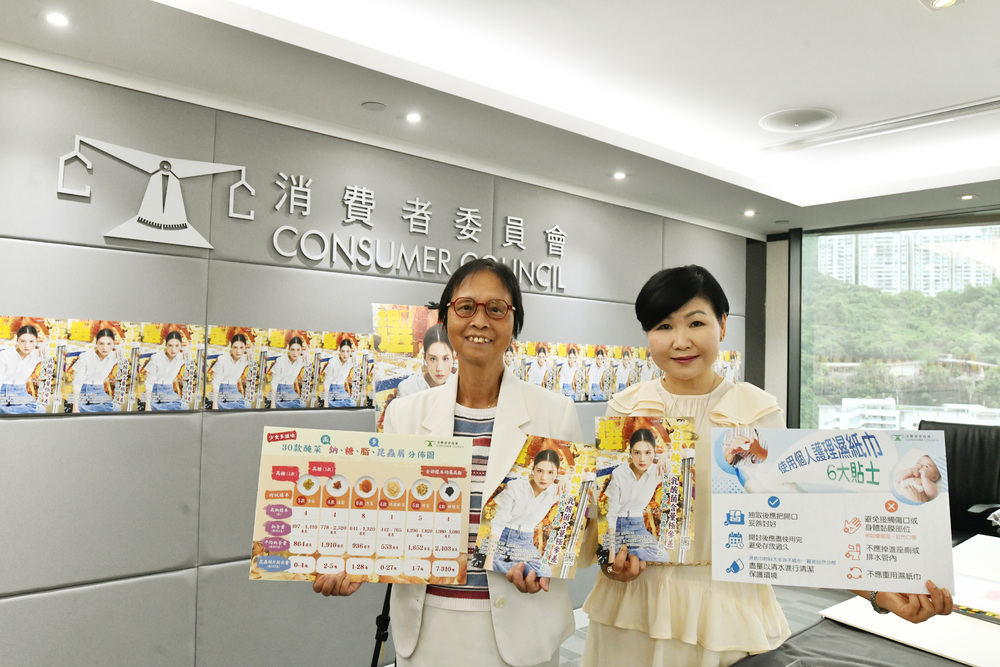
People should avoid using wet wipes to clean wounds, the Consumer Council warns after finding that a sample from Daiso contained a bacterial count exceeding the mainland standard by almost 500 times.
ADVERTISEMENT
SCROLL TO CONTINUE WITH CONTENT
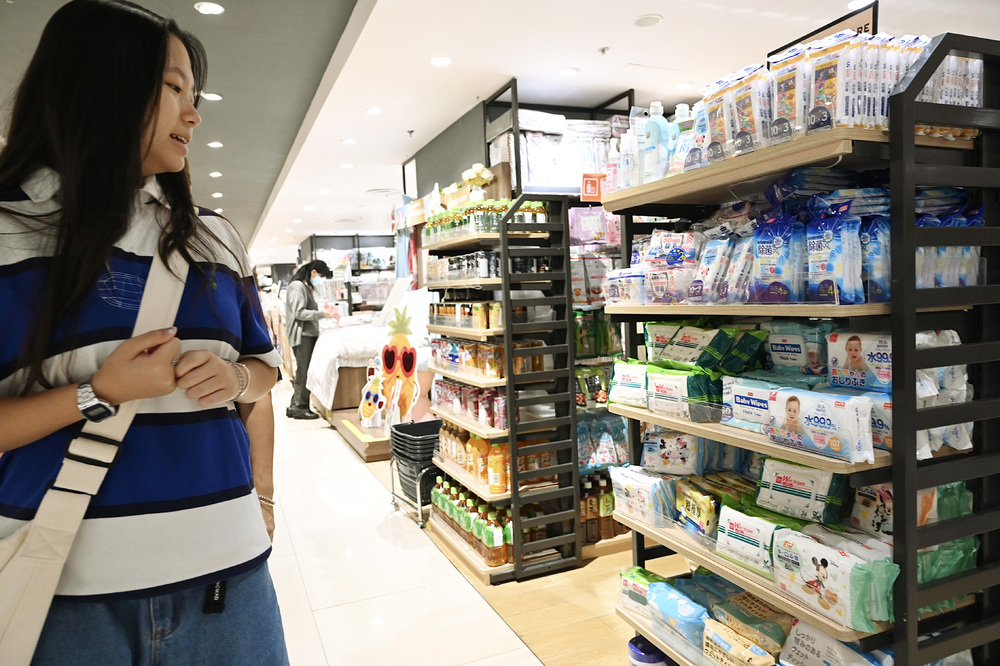
The watchdog tested 20 personal care wet wipes used for body cleaning. Most of the products recommended were safe to use on infants, while some were labeled with words like "pure water" or "for hand and mouth use." But none claimed to have disinfecting functions.
Among the samples, Daiso's wet wipes, claiming to clean an infant's hands and mouth, were found to have a total bacterial count of 100,000 cfu/g, exceeding the maximum limit of 200 cfu/g by nearly 500 times.
The watchdog said the product could be contaminated by microorganisms prior to the packaging being opened.
The council's research and testing committee chair Nora Tam Fung-yee said: "Seeing the huge amount of bacteria prior to opening of packaging, we would say that the situation is unsatisfactory."
Although not all bacteria are pathogenic, the council said there is a risk of infection.
People with weaker immune system - like the elderly and infants - could risk infections when using wet wipes with excessive bacteria to clean the eyes, mouth and intimate areas causing conjunctivitis, gastroenteritis, fever and sore throat.
A sample from Mannings was found to have a pH value of 3.2, below the lower limit of pH 3.5 of the China National Standard for wet wipes.
The watchdog said that contact with solutions that are too acidic or too alkaline may cause itchy skin or inflammation.
It said two samples contained allergenic chemicals that might cause skin irritation.
A sample from 759 Store was found to contain 0.0015 percent free formaldehyde, which might irritate the skin and eyes and cause inflammation, but does not provide a warning.
According to the European Union Cosmetic Products Regulation released in January 2022, products over 0.001 percent of free formaldehyde must be labeled "releases formaldehyde."
The watchdog recommended that manufacturers include a warning on packaging to remind consumers of the risks, although the transitional period of the EU requirement extends until July 2026.
Nepia Wet Plus contained two types of parabens, including 0.039 percent methylparaben and 0.021 percent ethylparaben. The total amount of parabens did not exceed the limit of 0.8 percent as suggested in the EU regulations.
While parabens are often added to cosmetics and personal care products due to their high preservative effect, the chemicals might cause allergies leading to skin inflammation.
Tam said consumers could seek alternatives to wet wipes, as their prolonged use with chemicals might pose higher risks.
"People could use gauze or pure cotton with warm water when changing diapers for infants and the elderly," she said.
Tam added that consumers should avoid contact of the wet wipes with mucous membranes, such as in intimate areas.
Nora Tam, far left, and council chair Gilly Wong have new warnings for consumers. SING TAO