Read More



Night Recap - June 10, 2026
2 hours ago



Bowie Woo, 94, sets Guinness World Record at star-studded concert
08-06-2026 18:03 HKT
Nine days of rain ahead as temperatures dip, Observatory says
09-06-2026 17:35 HKT
Some banks have suspended accounts of companies doing business with Arab countries, the Arab Chamber of Commerce and Industry says, as the Hong Kong Monetary Authority plans to visit the Middle East again.
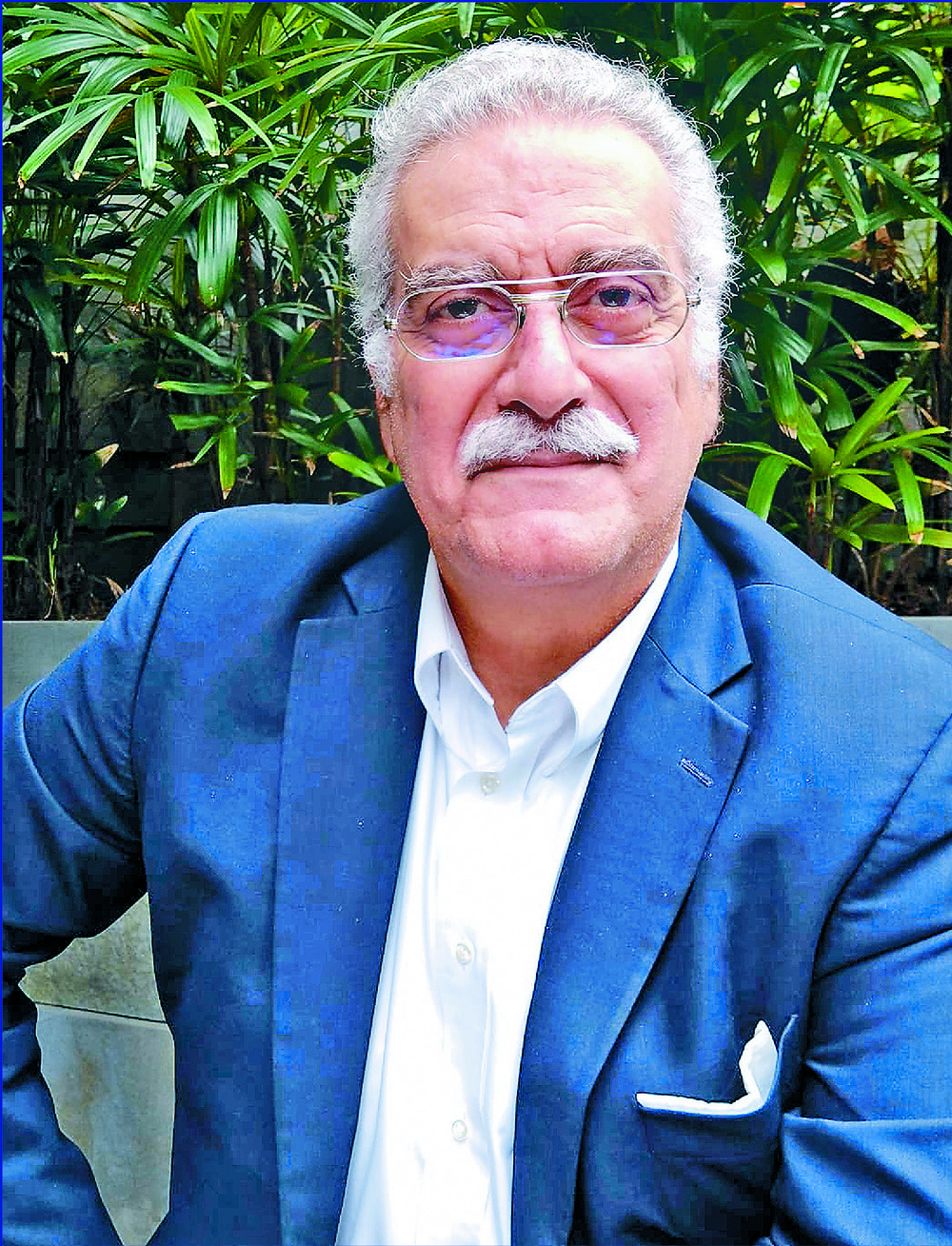
Chamber president Edwin Hitti said he doubts if Hong Kong can attract people from the Arab world - apart from businessmen and investors - to travel or study in the city.
"People used to ask me if it is good to send money to Hong Kong instead of Switzerland. I would say no now," said Hitti. "All this is reducing the allure of banks in Hong Kong."
The HKMA responded by saying it has maintained close dialogue with the banking industry and relevant stakeholders on bank account opening and maintenance.
It said it has also been reminding banks to adopt a risk-based approach on anti-money laundering and counter-financing of terrorism efforts, while complying with the principle of financial inclusion. But banks should avoid a wholesale de-risking approach, it added.
Representing more than a thousand members, the chamber recently received a case of a bank account being suspended from a company that has been selling seafood from the Persian Gulf to Greater China for years.
While no reason has been given yet for the suspension, Hitti believes it may be due to the word "Persian," which is associated with Iran.
He described this as only the tip of the iceberg, adding that some banks have frozen company accounts by having police use the "no consent regime" when they suspect customers have criminal intentions such as terrorism and smuggling.
Hitti has been communicating with the local government and the HKMA about this.
Police issue a letter of no consent to freeze bank accounts before getting formal restraint orders from the court, but this has sparked controversy over rights.
It usually lasts three to six months, during which banks cannot give information to police for investigation, said Hitti. Sometimes the process lasts two years, he said, adding that during that time business has to be suspended and some companies cannot even get any money for litigation.
He said he believes it has nothing to do with the national security law, but an issue with banks themselves.
Hitti said not only do Arab companies have a hard time with banks - individuals also have difficulty opening accounts in Hong Kong. And this deters people from the Arab world to visit or study in Hong Kong.
He said it is also difficult for people in some Arab countries to obtain a visa to visit Hong Kong as they need to get it from Chinese embassies.
"Even for those who come to Hong Kong, there's nobody speaking Arabic at the airport and other places," he said. "When they dine in hotel restaurants, there's no halal food, nor can they buy anything from the supermarket. When they go to shop, the shoes and clothes don't fit. They can buy watches and jewelry in their countries. They can hardly find any masjid [mosque] too."
Hitti, who has been living in Hong Kong for 32 years, noted the deterioration of locals' English proficiency, adding there are people who can speak Arabic and have better command of English in the mainland.
Local universities have approached the chamber to attract students from the Arab world, but he said they rarely come over.
He noted that there are Muslim students from Asian countries such as Indonesia and Malaysia, and from Central Asia like Kazakhstan, but they are not Arabs.
He said Hong Kong has been focusing too much on the mainland market.
Hong Kong should not assume things would just return to the past, he added, because the world has changed. For example, Hitti said, while the number of visitors has rebounded, many of them came on low-cost tours.
For Hitti, the Hong Kong delegation went to the Middle East in February empty-handed and with nothing to sell. He added: "The Arabs are the best storytellers and you are telling them a Hong Kong story. But what is the story?"
bonnie.chen@singtaonewscorp.com