Read More







Amber rainstorm warning issued at 11am
19 hours ago


Iran demands transit fees in yuan, stablecoins for Strait of Hormuz passage
03-04-2026 02:45 HKT
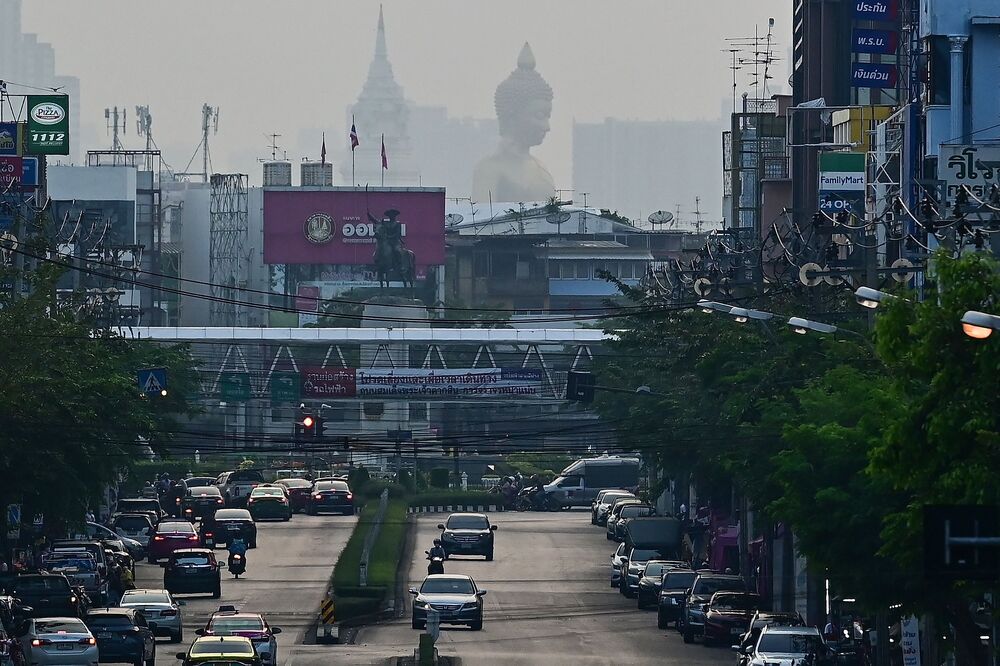
About 2.4 million people in Thailand have sought hospital treatment for medical problems linked to air pollution since the start of the year, health officials said, as toxic smog chokes parts of the country.
Bangkok and the northern city of Chiang Mai were among the most polluted cities in the world yesterday morning, according to air quality monitoring firm IQAir.
This week alone, there were 184,465 hospital admissions, Public Health Department permanent secretary Dr Opas Karnkawinpong said Wednesday.
Respiratory problems, dermatitis, eye inflammation and sore throats were among the most common medical issues.
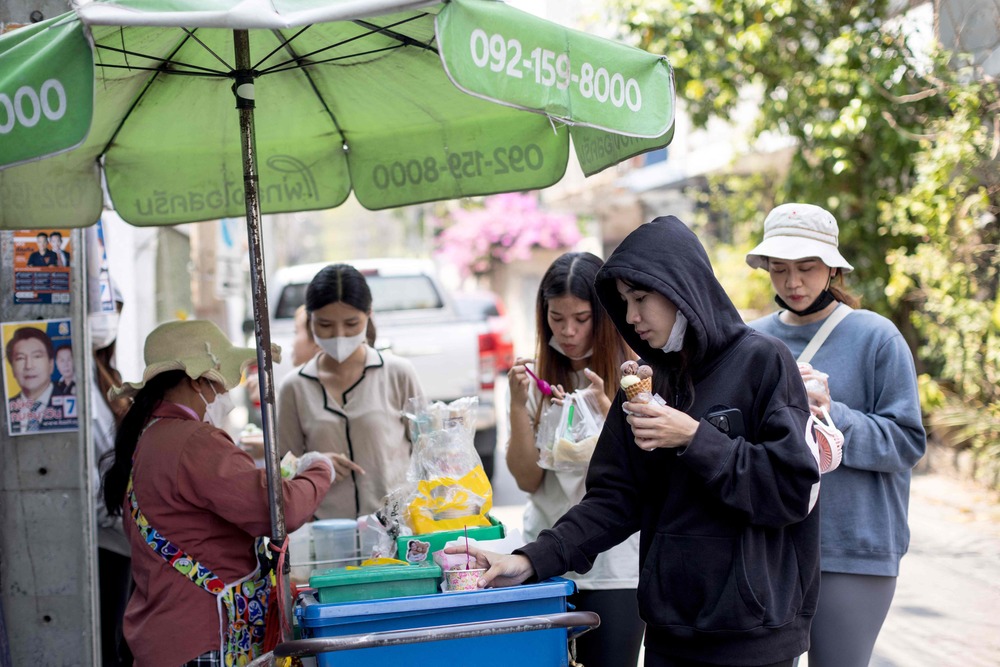
Health officials have urged people to use high-quality N95 anti-pollution masks, close windows and doors, minimize time outside and exercise indoors.
"Today is so smoggy," a Thai Facebook user said. "I have a sore throat and I cough so much. I did a test for Covid but it's not that. Looking at the pollution level, that could be it."
Smoke from forest fires and farmers burning crop stubble have polluted the air in parts of the country, according to experts.
Thailand is home to more than 70 million people and its poor air quality has become a hot button issue ahead of next month's national elections, with the incumbent government accused of not doing enough to tackle the problem.
Meanwhile, two people have died from heatstroke, according to local media.
Thailand's meteorological department said temperatures hit a record-equaling 44.6 degrees Celsius in the western province of Tak on April 15, warning that the baking weather would continue into next week.
The kingdom typically endures a spell of hotter weather preceding the rainy season, but the sun has shown an extra intensity this time around.
"This year's record heat in Thailand, China and South Asia is a clear climate trend and will cause public health challenges - especially among the poor - for years to come," said scientist Fahad Saeed, regional lead for climate policy institute Climate Analytics.