Read More





Three arrested over missing fire door frames in public estate lift overhaul
16-10-2026 20:10 HKT
Credit card fraud hits foldable iPhone Duo launch
17-10-2026 12:23 HKT
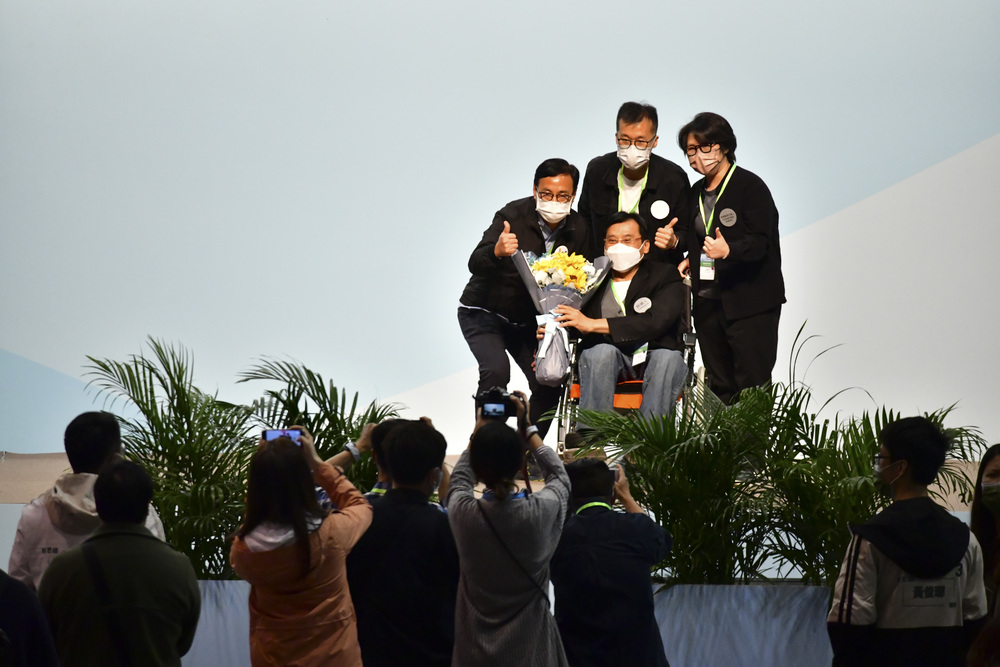
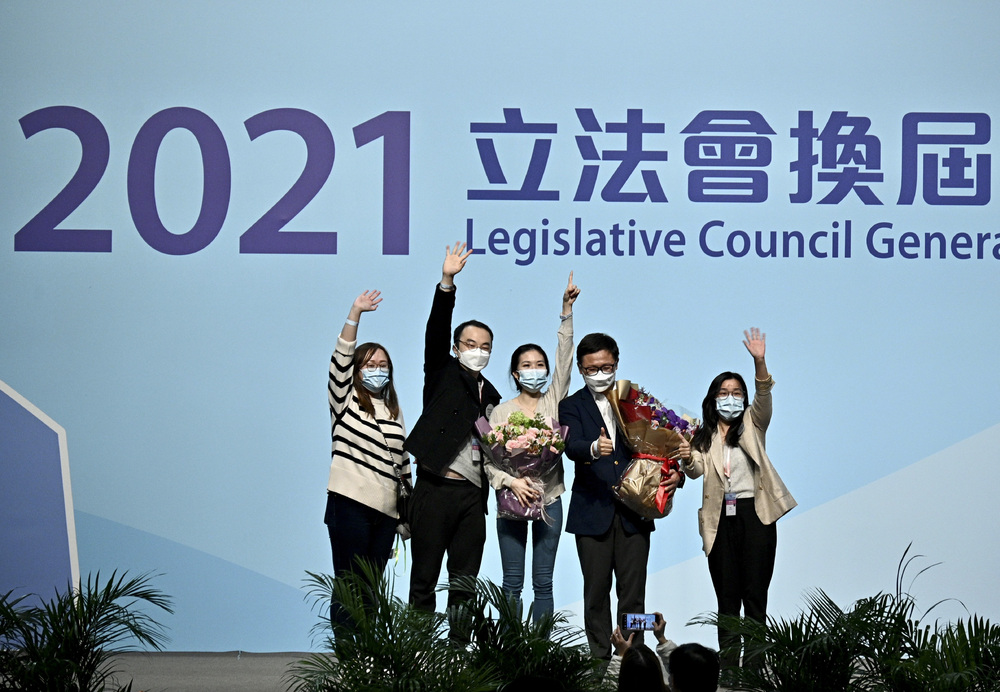
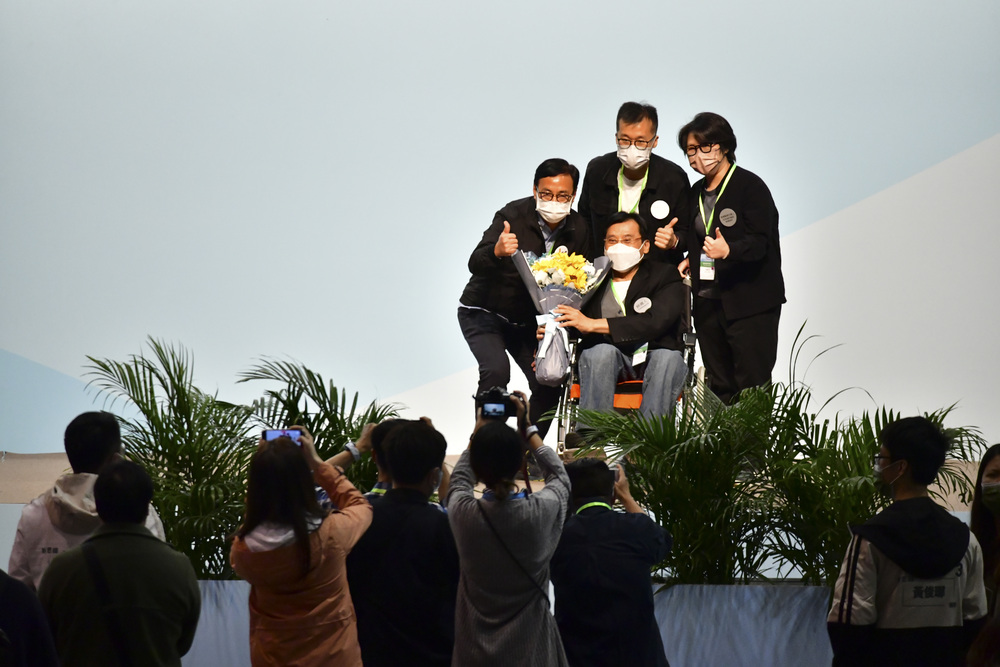
Tik Chi-yuen, chairman of moderate political party Third Side, is the sole non-establishment candidate to win in the Legislative Council election.
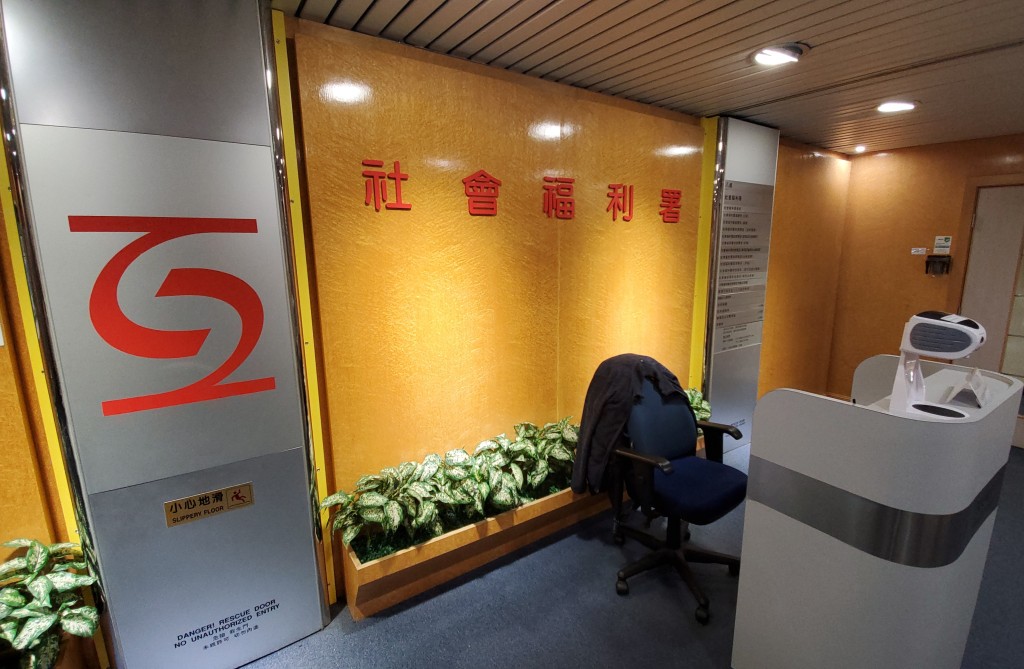
With 1,400 votes in the social welfare sector, Tik defeated Chu Lai-ling from the Democratic Alliance for the Betterment and Progress of Hong Kong and businessman Yip Cham-kai, who got 872 and 196 votes.
The 2,713 votes cast in the social welfare sector indicated a turnout rate of 19.41 percent - the lowest among all 28 functional constituencies.
Tik said it was "disappointing" to see he was the only non-establishment winner.
"Some of the candidates worked really hard in this election, but pro-democratic supporters were not willing to come out and cast their votes," he said.
Noting that he might have to go it alone against 89 other lawmakers in the new 90-member Legco, Tik said he hoped to prove his worth to the public through "real deeds."
He added: "It is always better to have one voice than none."
Tik said he would do his best to monitor the government and fight for universal suffrage. He added he will approach other non-establishment people to strengthen the camp and may work with the pro-establishment camp on livelihood issues.
All 11 candidates who were identified as pro-democracy or non-establishment were shut out of the 10 geographical constituencies, which each elected two lawmakers.
Those who lost included former lawmaker Frederick Fung Kin-kee and independent Jason Poon Chuk-hung.
Fung, who run in Kowloon West, blamed his loss on the low voting turnout.
Poon, who ran in Hong Kong Island East, said the results showed there is still room for improvement for the election system.
"I would like to thank those who voted for me, as well as the voters who did not vote, as those who did not vote projected a louder message: that the current election system is not perfect," he said.
Legco will see more than 35 new faces, including Gary Zhang Xinyu of New Prospect of Hong Kong - a political group consisting mainly of mainlanders living in Hong Kong - who earned a seat in the New Territories North, and Connie Lam So-wai of Professional Power in New Territories South East.
Other newcomers came from traditional political parties, including DAB's Edmund Wong Chun-sek in the accountancy sector and the Federation of Trade Unions' Joephy Chan Wing-yan in New Territories South West.
Novices without political party backgrounds included Hong Kong Olympic Committee vice president Kenneth Fok Kai-kong for sports, performing arts, culture and publication sector.
Others were the former president of the Law Society, Ambrose Lam San-keung in legal, Medical Conscience's David Lam Tzit-yuen in the newly formed medical and health services sector, and school principal Chu Kwok-keung in education.
But two incumbents, Liberal Party's Felix Chung Kwok-pan of the textiles and garment sector and Christopher Cheung Wah-fung of the Business and Professionals Alliance for Hong Kong in financial services sector, did not get reelected.
Chung, a lawmaker since 2012, was upset by Sunny Tan of the Federation of Industries.
Chung got 82 votes to Tan's 172. He said he was "surprised" by the voting difference.
He said the main reason for his loss was the change in the electoral system, as some 2,000 exporters who had supported him in the past were no longer classified as voters.
Cheung lost to Robert Lee Wai-wang, chairman of the Hong Kong Securities Association, 169 to 314.
In the Election Committee constituency, all nine lawmakers running for incumbency on the new path secured their seats, with Priscilla Leung Mei-fun of the Business and Professionals Alliance receiving the most votes at 1,348.
Other winners were Horace Cheung Kwok-kwan and Elizabeth Quat Pui-fan of DAB, FTU's Michael Luk Chung-hung and Alice Mak Mei-kuen, Eunice Yung Hoi-yan of the New People's Party as well as independents Ma Fung-kwok, Paul Tse Wai-chun and Junius Ho Kwan-yiu.
carine.chow@singtaonewscorp.com