Read More


Night Recap - April 3, 2026
10 hours ago




Iran demands transit fees in yuan, stablecoins for Strait of Hormuz passage
03-04-2026 02:45 HKT


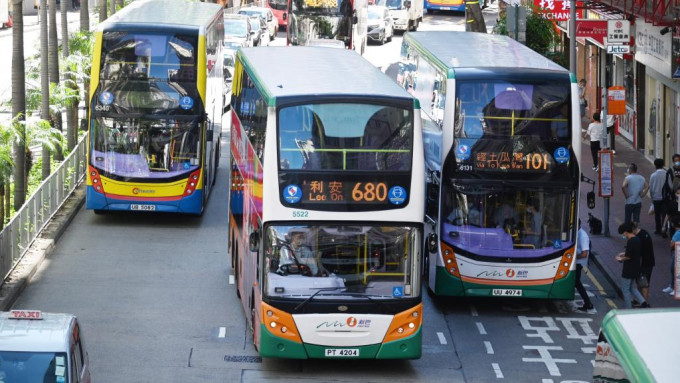
Drivers will be allowed to use smartphones or other devices to remotely park their vehicles starting March 1, the Transport Department announced on Sunday.
However, drivers may activate remote control parking systems only if the technology meets the department’s safety standards.
Vehicles equipped with such systems must undergo rigorous type approval for newly imported models, while existing systems require individual certification.
The remote control parking (RCP) provision headlines a suite of transport regulatory changes, which will also take effect on March 1.
These include mandatory over-height warning systems for specialized vehicles, unrestricted use of in-vehicle screens when parked, the removal of expressway permits for electric vehicles, and bus height adjustments.
"The various new requirements aim to provide convenience to the public, enhance road safety, and promote the application and development of new automotive technologies in Hong Kong, keeping up with international vehicle construction and maintenance standards,” the department said.
Lorry cranes first registered before March will be required to install over-height warning systems by September this year, while other vehicles with extendable aerial structures, such as tippers, mobile cranes, and aerial platforms, must have such systems installed before September 2026.
Also, drivers will be allowed to view any content on dashboard displays -- including navigation, entertainment, or real-time data -- while the parking brake is engaged starting next month.
Electric taxis, buses, goods vehicles, and recovery vehicles with a minimum rated power of seven kilowatts will no longer require expressway permits, joining private EVs and high-powered motorcycles that are already exempt.
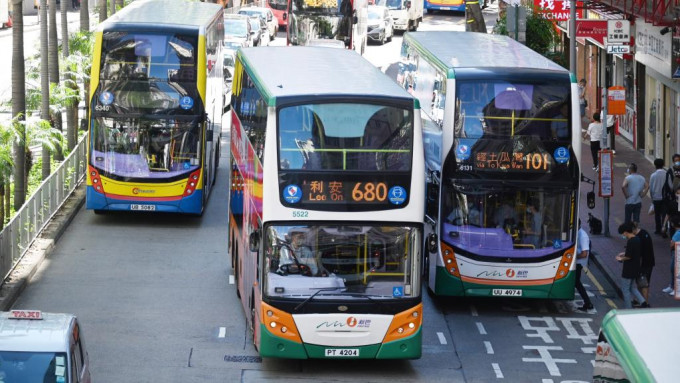
The maximum height for single-deck buses will increase from 3.5 to four meters, and LED lamps and indicators will be permitted in line with global standards.
(Ayra Wang)