Read More





Amber rainstorm warning issued at 11am
2 hours ago






Iran demands transit fees in yuan, stablecoins for Strait of Hormuz passage
03-04-2026 02:45 HKT



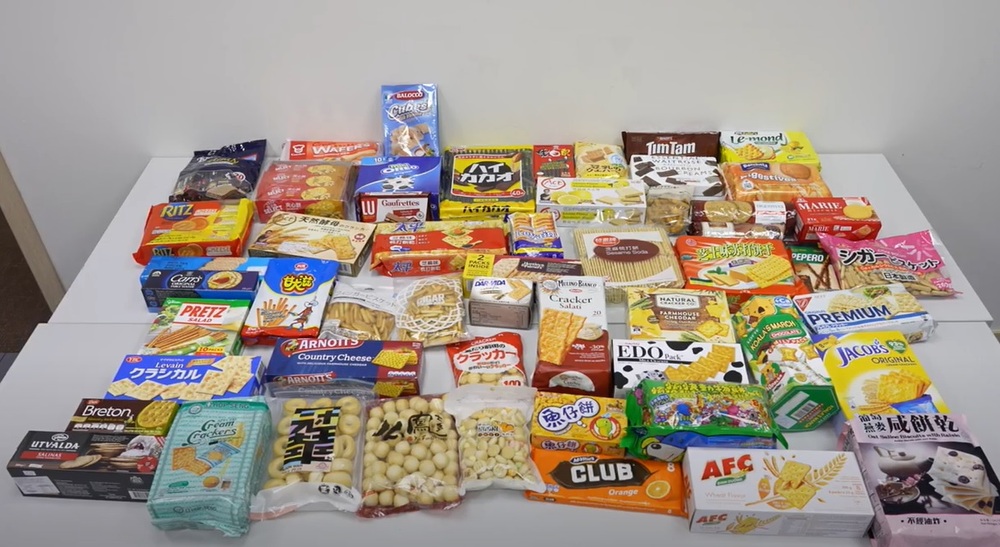
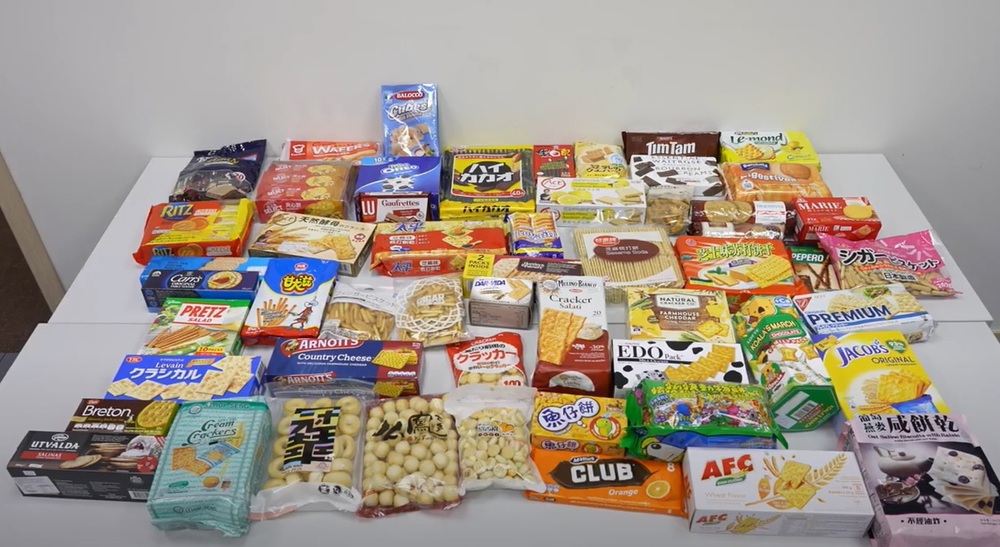
The Consumer Council has found that all 60 samples of the pre-packaged biscuits that they tested contained genotoxic carcinogens, which are contaminants produced during processing.
The test also classified 85 percent of the samples as “high-fat,” “high-sugar” or “high-sodium” foods.
The 60 samples, including crackers, sandwich biscuits, wafers and finger biscuits, were all found to have contained the genotoxic carcinogens glycidol or acrylamide, while 75 percent of them were simultaneously detected with 3 types of contaminants (glycidol, 3-MCPD, and acrylamide).
Amongst the samples, 56 samples were found to have contained the genotoxic carcinogen 3-MCPD, with a huge disparity in the levels ranging from 15μg/kg to 2,000μg/kg.
The biscuit sample with the highest 3-MCPD level -- Yummy House’s Oat Saline Biscuits with Raisin -- has a labeled serving size of 25 grams, which was one packet with three pieces. Eight pieces consumed by an adult, or three pieces consumed by a 5-year-old boy, would already exceed the Tolerable Daily Intake for 3-MCPD of no more than the 120µg recommended by the European Food Safety Authority.
Meanwhile, seven other samples were detected with acrylamide, with levels that exceeded the benchmark level laid out by the European Union.
The seven include Bourbon’s Soybean Milk Wafers, Muji’s Shiruko Sandwich Cracker, Bancheta’s Digestives, Hokka’s Cigar Biscuit, Blue Diamond’s Artisan Nut-Thins: Multi-Seeds, Dare’s Breton Wheat Crackers, and Hup Seng’s Special Cream Crackers.
However, the Council said the Joint Food and Agriculture Organization and the World Health Organization (WHO) Expert Committee on Food Additives have yet to establish a health-based guidance value on intake limits for genotoxic carcinogens, and suggests that the intake of genotoxic carcinogens should be as low as reasonably practicable.
The test conducted by the Council also saw 33 samples classified as “high-fat” food, along with another 27 and 13 classified as “high-sugar” and “high-sodium” foods respectively.
Consuming one serving of a wafer sample -- Gastone Lago’s Wafer with Lemon Cream -- which was tested with the highest saturated fatty acid content (23.7g), would already incur a SFA intake of 5.7g, accounting for around 29 percent of WHO’s recommended daily intake of 20g, said the Council.
The consumer watchdog also pointed out that 40 percent of the samples were not in compliance with nutrition labeling.
It said the most severe discrepancy was the SFA content for a cracker sample where the actual content of 6.13g per 100g from the test results, 76 times higher than the labeled value of 0.08g.
The council also added that the test results have been referred to the Centre for Food Safety for follow-up action.
“Accurate nutrition labeling is important information for consumers. As inaccurate information has particularly severe health impacts to individuals with long-term illnesses, such as diabetes and heart diseases, manufacturers should pay heed to the accuracy of labeling information and promptly rectify errors to safeguard the health of consumers,” it said.