Read More



Night Recap - October 8, 2026
3 hours ago






Typhoon season winds down as HK faces low October risk
07-10-2026 17:02 HKT
All existing practices allowing male indigenous villagers to build houses is constitutional, the Court of Appeal has ruled.
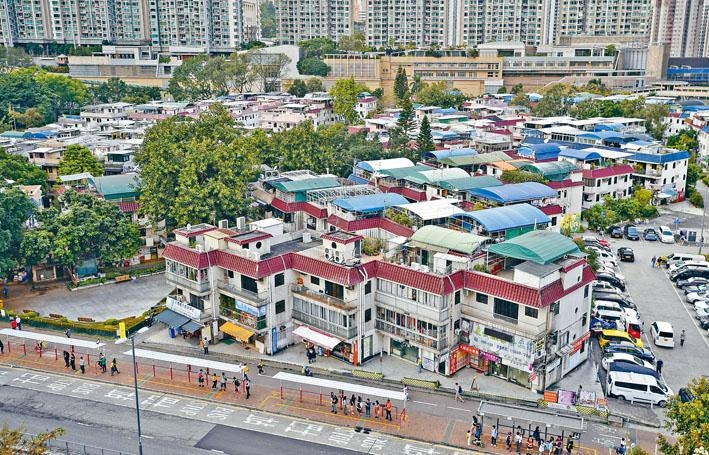
Under the government’s Small House Policy applied since 1972, a male villager can apply for permission to build once in his lifetime a three-storey small house within his village. The right is nicknamed “ding rights”.
There are three types of such practices – the private treaty grant, whereby the government offers land with a premium two-thirds of the market price to a villager to build a house; free building licences that allow villagers to build houses on private land without paying a land fee; and a land exchange whereby villagers can switch plots with the government to build houses.
“King of the Judicial Review” Kwok Cheuk-kin and social worker Hendrick Lui Chi-hang filed a judicial challenge against “ding rights” in 2015 as they felt the "ding rights" policy discriminates non-indigenous and female indigenous villagers.
The director of Lands, the Chief Executive-in-Council and the secretary for justice were respondents. The Heung Yee Kuk was an interested party.
In April 2019, High Court Justice Anderson Chow Ka-ming ruled that only the second option for the villagers to build their houses on private land was lawful.
But the three-judge appeal panel formed by High Court Chief Judge Jeremy Poon Shiu-chor, vice-president of the Court of Appeal Johnson Lam Man-hon and Justice of Appeal Thomas Au Hing-cheung, handed down a 69-page judgment today, said the original trial judge Cho failed to consider the relevant Basic Law articles contextually.
They said it is “beyond doubt” that “ding rights” were recognized in the city’s legal system as lawful traditional rights and interests of the indigenous inhabitants of the New Territories (NTIIs) during the drafting stage of the Basic Law, despite the debates about their discriminatory nature.
The judges said Chow had failed to take into account of a number of factors including there a “phenomenal” delay of the legal challenge as the Small House Policy was introduced in 1972, while the Hong Kong Bill of Rights was enacted in 1991 and the Basic Law has been applied to the city for 23 years.
“The lack of explanation for such a delay is simply glaring,” they said.
They said the prejudice caused by the delay to many NTIIs and their families is “on any view huge”. The delay has also affected the interest in the land administration in the New Territories.
Head of Heung Yee Kuk Kenneth Lau Ip-keung and the government welcomed the appeal court’s ruling.
A spokesman of the Development said they will study the judgment, and to resume accepting and handling applications under the Private Treaty Grant and Land Exchange arrangements.
Lau hoped that the government can resume handling such applications as soon as possible. He was also pleased that the court has clarified the legal basis of “ding rights”.