Read More

Night Recap - April 3, 2026
12 hours ago


Iran demands transit fees in yuan, stablecoins for Strait of Hormuz passage
03-04-2026 02:45 HKT
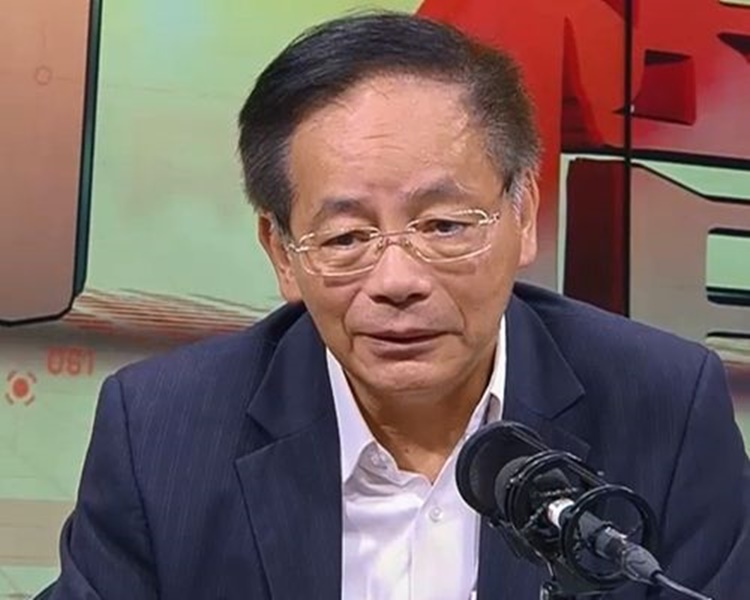
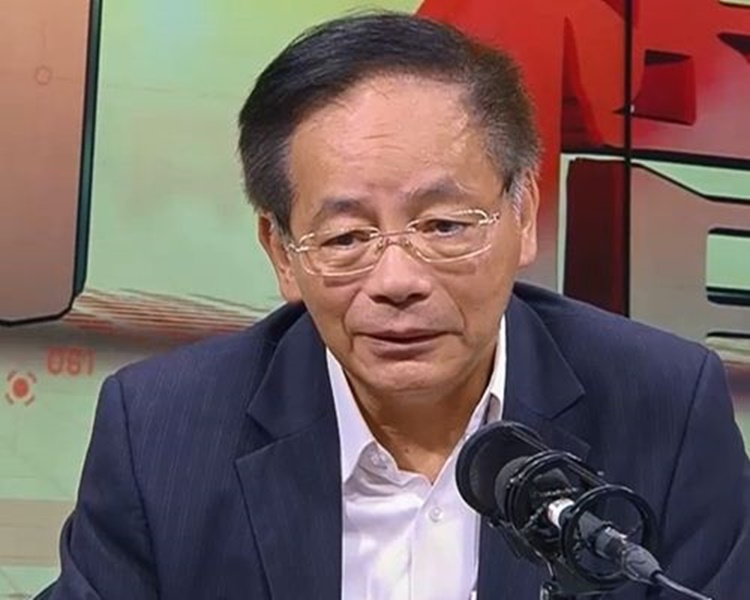
A local deputy to the National People's Congress said today that Beijing can no longer sit idly by and watch disruption to Hong Kong's legislative affairs, and has been forced to speak out, RTHK reports.
Ip Kwok-him, who is also an executive councillor, said the Hong Kong and Macau Affairs Office (HKMAO) and the liaison office had previously been restrained on commenting on SAR affairs, but had to wade in recently on the delay in choosing a House Committee chairperson, and the impact of this on Legco operations.
On an RTHK program, Ip said the liaison office represents Beijing in Hong Kong, and that the SAR's high degree of autonomy comes from the central authorities.
He also stressed that because the liaison office represents the central government, it must, together with the SAR government, implement "One Country, Two Systems."
Ip said that the HKMAO and liaison office would not supervise day-to-day affairs such as the appointment of officials by the SAR government, but would instead give an overall "macro perspective" of Hong Kong and would express opinions on matters that affect the way the city operates.
He also criticized legal sector lawmaker Dennis Kwok – who has been overseeing the election of the House Committee chairperson – and accused him of failing to perform his duties.
"It's only the election of a chairman, it's only supposed to take 15 minutes, but now it's taken six months. It's something that I've never seen before, and I've been in Legco for some time," Ip said.
Meanwhile, Civic Party chairman and barrister Alan Leong told the same program that "One Country, Two Systems" is now in doubt, and said he wonders whether the central government is starting to grow impatient as it has been unable to "rein in" Hong Kong over the 23 years since the handover.
Leong reiterated that the election of Legco's House Committee chairman is an internal matter, and suggested the central government could next decide to exercise its "supervisory powers" on other matters such as the budget, and even press and religious freedom.