We often refer to Hong Kong as a concrete jungle, with skyscrapers blocking the sights of greenery, making everything we see complex and artificial.
ADVERTISEMENT
SCROLL TO CONTINUE WITH CONTENT
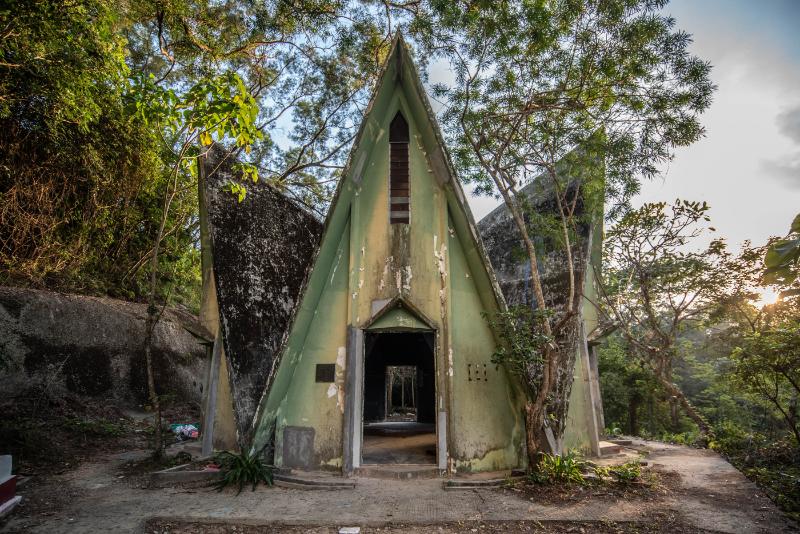
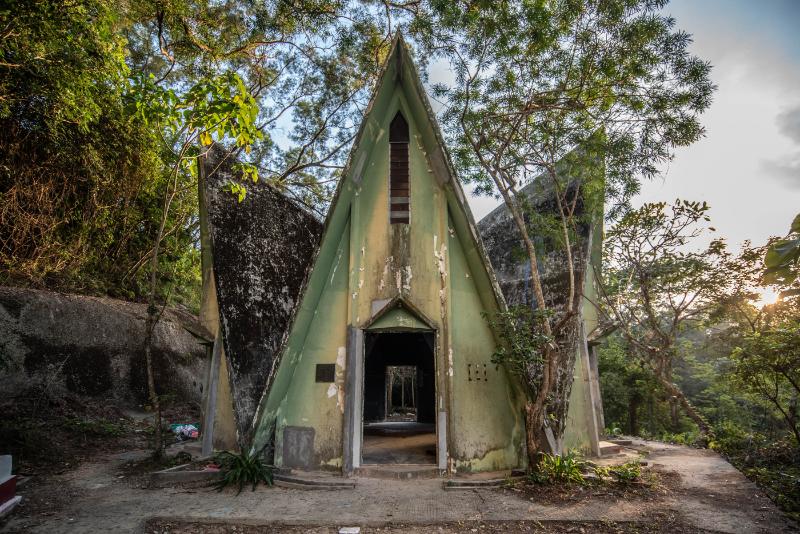
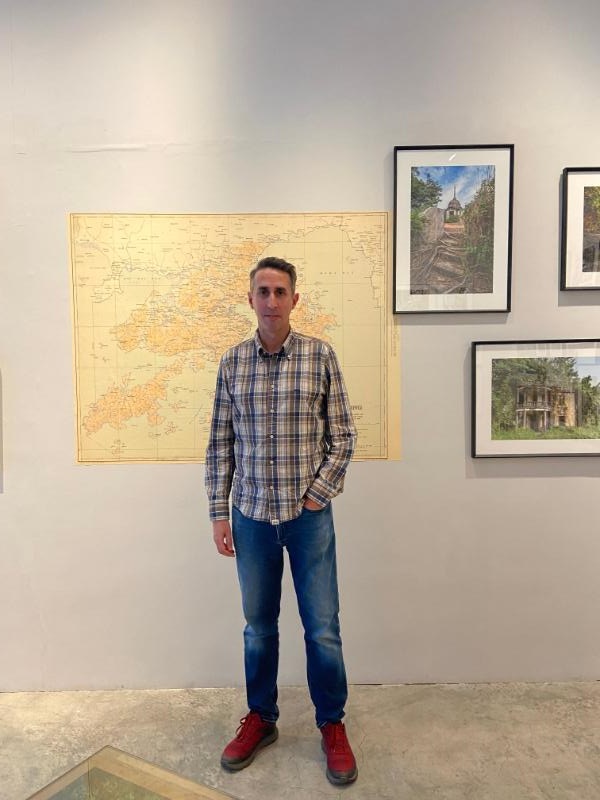
Stefan Irvine, a Hong Kong-based British photographer, captures the essence of abandoned villages in rural areas.
It all started with a film camera from his parents and, after taking the first picture of his beloved pet dog, he developed a passion for photography at a young age. His degree in photojournalism and his tourist experience made him decide to remain in the city since 2002.
Irvine recalled: "My first visit was in 1999 as a tourist, I found the cliche blend of East and West in this city very captivating. It was a couple of years later I came back to do a project on domestic helpers for my postgraduate degree. Later on, I started working as a freelance photographer here, and I just absolutely fell in love with this place."
His interest in exploring the city pushed his journey to the champion stage of the International Photography Award 2020. The Tong Lau series enjoyed a time of glory. Just when he thought he had captured everything he could in the city, the local gallery he was working with gave him the idea to create a photobook.
"I have always liked taking photos of villages and having to work with Blue Lotus Gallery, I got to share my photos with Sarah Green [the director of the gallery]. She suggested making the photos into a photobook, which is something I've never thought of doing," he said.
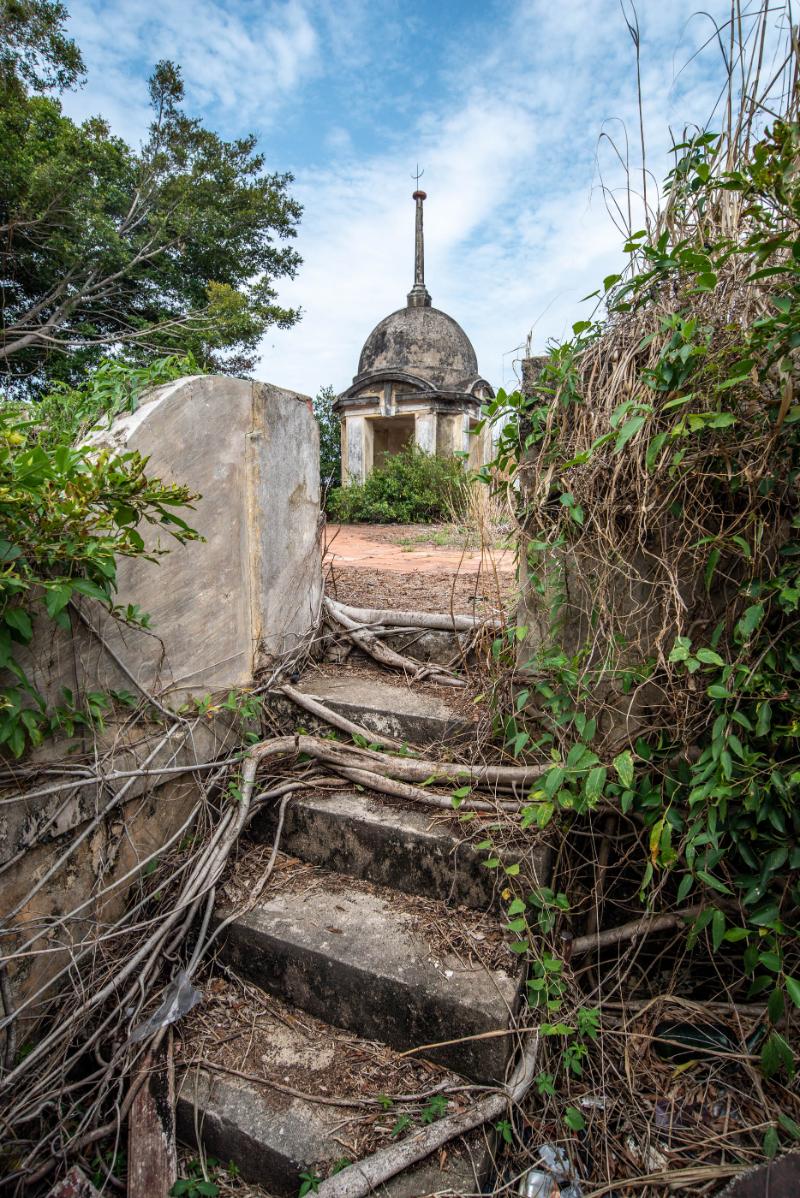
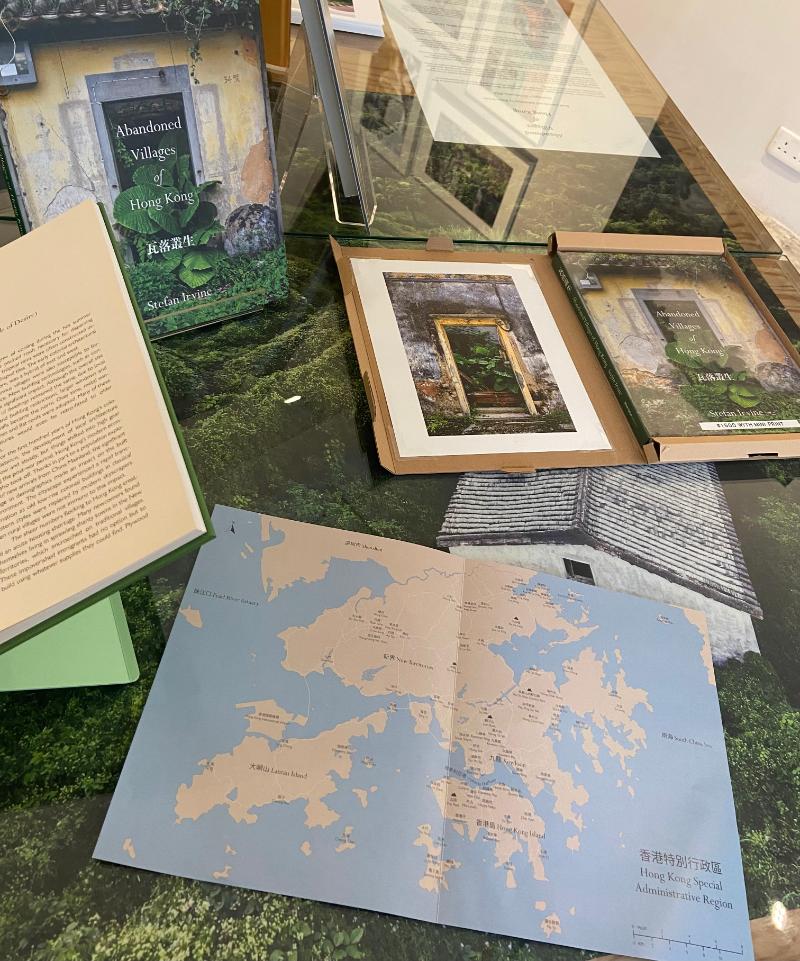
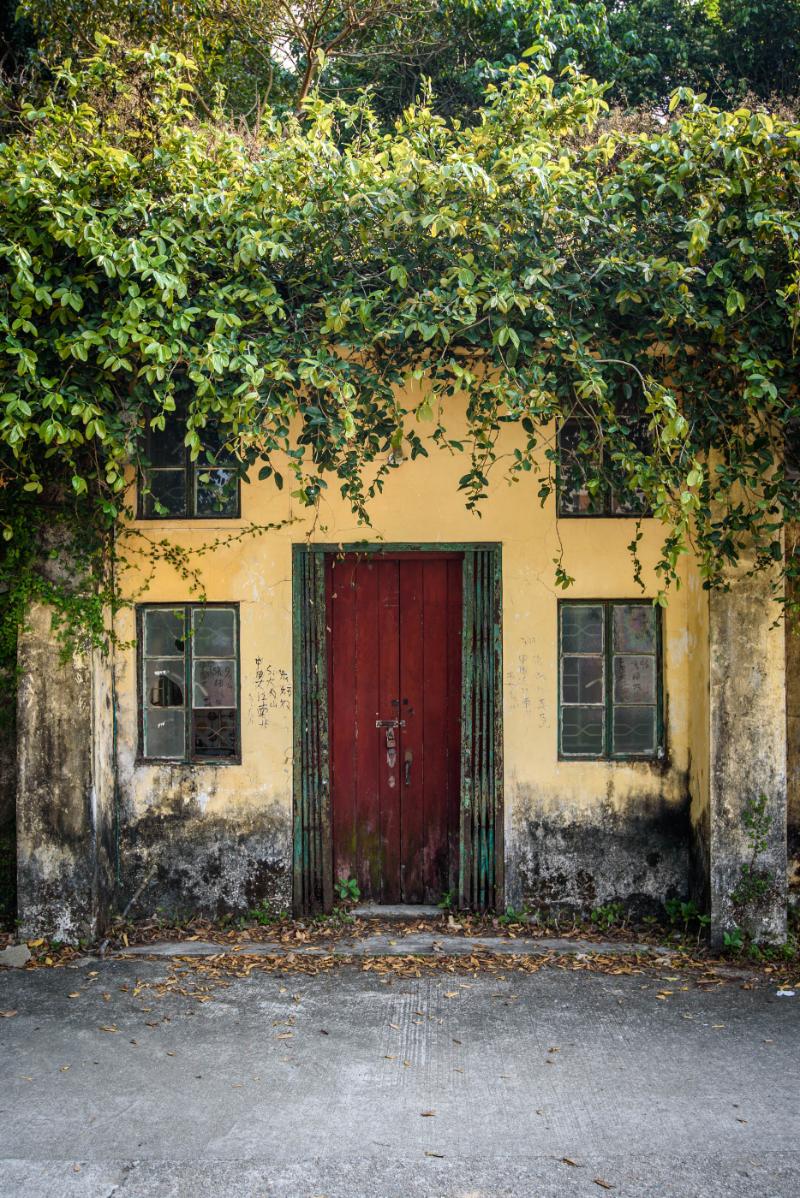
The ongoing exhibition of Abandoned Villages in Hong Kong features many remote settlements and forgotten corners where beauty lies within. It also testified to Irvine's passion for documenting the essence of disappearing places. You could explore places such as Chek Keng, Mau Ping Chau Uk, Tai Peng, Queen's Hill, and Yu Yuen.
Photos are displayed in a way that immerses you in those villages. Starting from the left, you will see a general view of some significant abandoned ruins in Hong Kong, accompanied by a large map to help locate them. Then you will be met with a selection of photos of doors, windows, and houses, it is as if you're viewing these abandoned homes together with the artist.
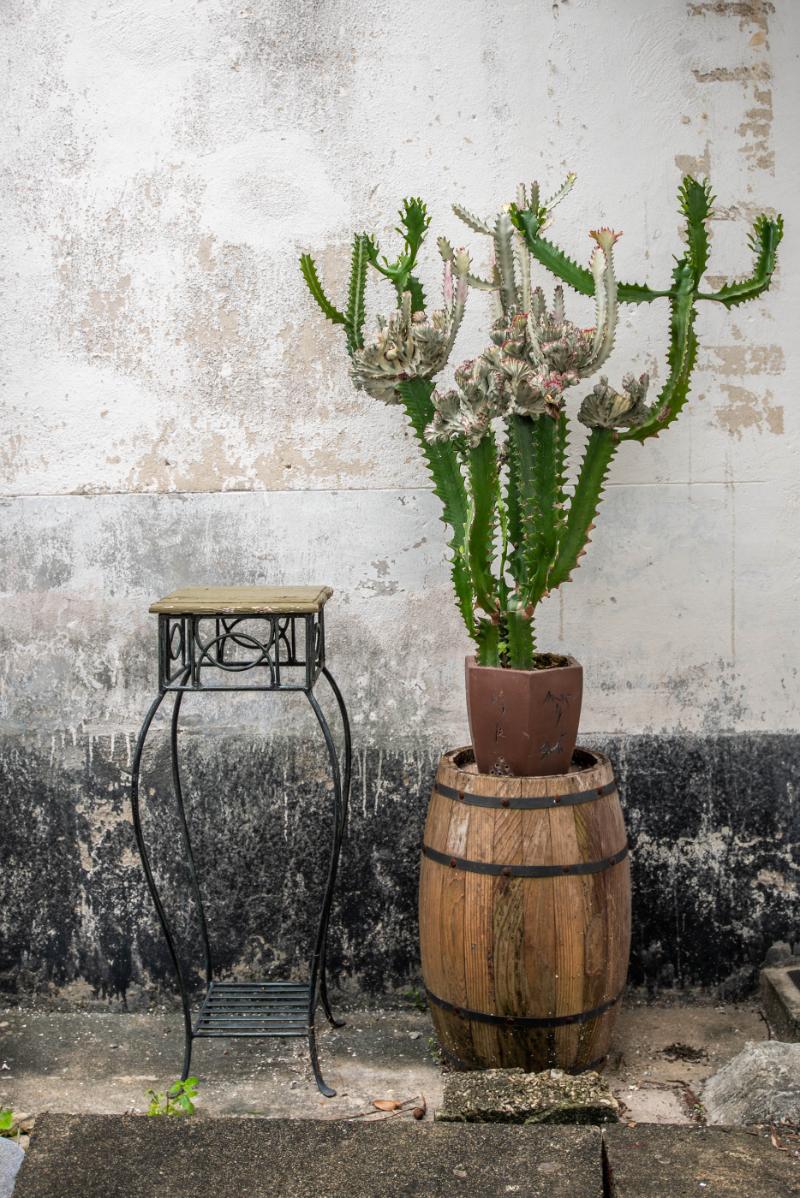
Moving swiftly to the left you will be inside those places with the sights of untouched furniture and personal items. The large print of Pun Uk showed that it once used to be a gathering place, with paths that allowed people to walk from one room to another. All that has vanished, with only nature thriving in the place.
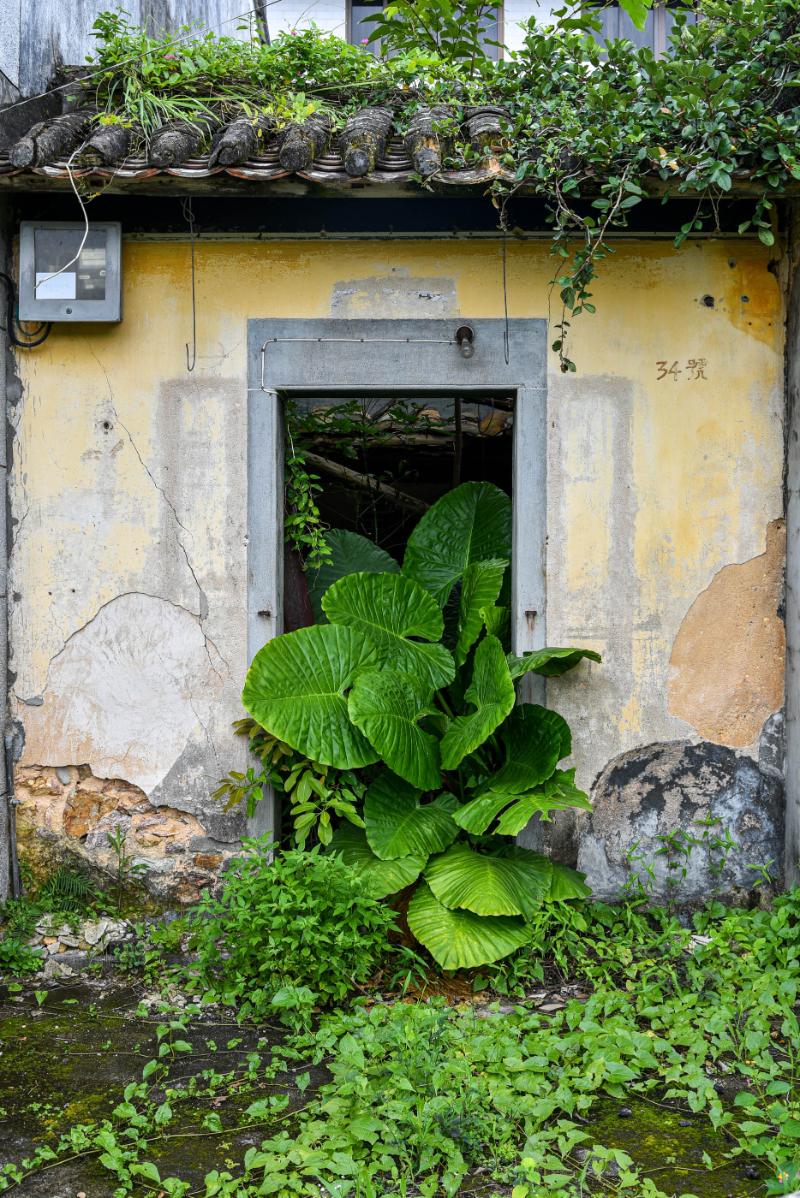
You can find the artist's favorite photo on the cover of the photobook - it was taken in Luk Keng. "It is a pretty boring answer, but this is my favorite. I took that photo in June and the vibrant color captured my attention. I actually went back to the same place this afternoon but it looked completely different. The leaves are wilted and they've got roots overgrown from the rooftops," he said.
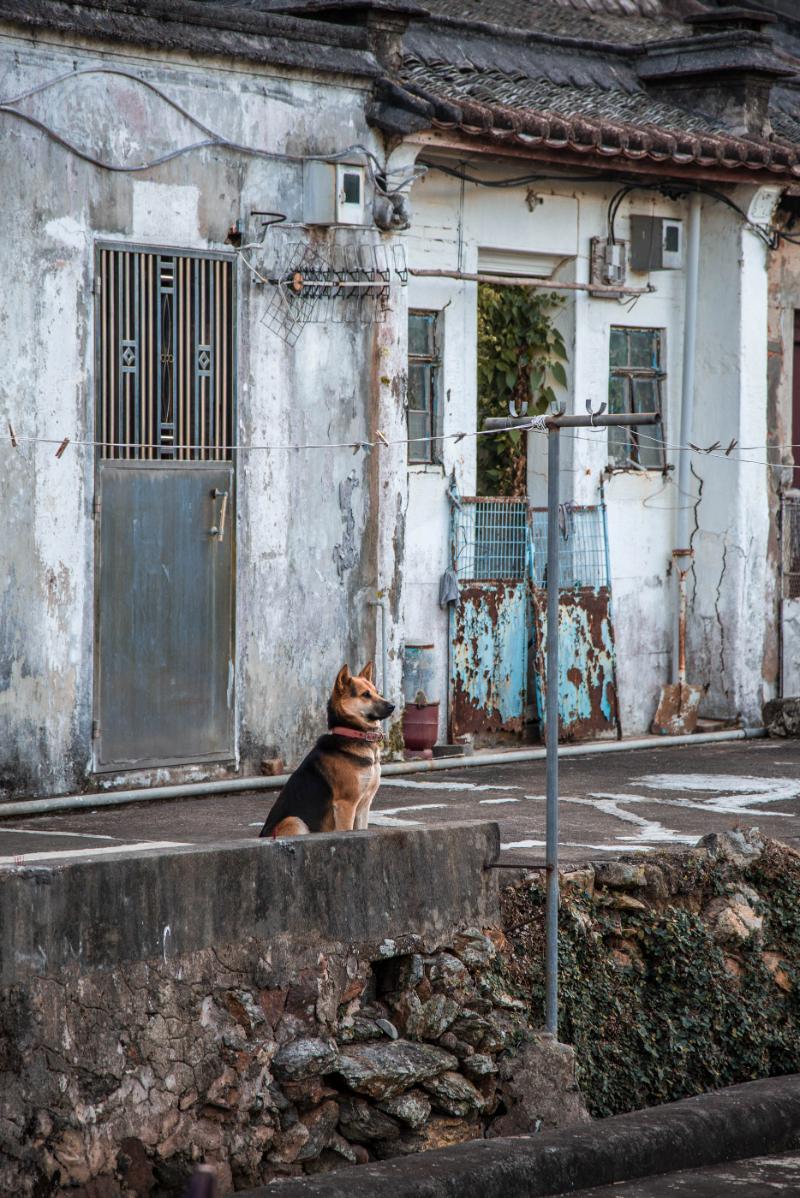
The photo of Fung Hang is also one of the artist's favorites as he recalled his encounter with not only abandoned villages and ruins but also with animals.
In some places, guard dogs remain to protect the village. "The dog in this photo was barking at me as I passed by. I had to tip-toe as quietly as I could to get a few good pictures of him," he said.
The series features clusters of villages and places that are familiar yet distant to us at first sight, some are even hiking spots for sports enthusiasts. He revealed his approach to planning before going out to snap photographs.
"I prefer taking photos alone. Since some of the places I've gone to only go by ferry, it'll be less crowded during weekdays. Sometimes I'll have to walk into overgrown bushes and the path will be very narrow. But overall it wouldn't be too much of a challenge. I would just call or text my wife and people I know where I am going then I would take my camera and go," he said.
Through this exhibition, he would like to remind people that Hong Kong has a long and interesting history in those forgotten rural areas. "There's not only skyscrapers but a whole other side of Hong Kong, rural and relaxing. These places serve as a window into the past, providing us with clues to a way of life which disappeared and remind us of the transience of life and nature," he said.
Having been in the city for 22 years, he is still motivated.
"I would say it's the freedom and the satisfaction of delivering photos to clients and people," he said.
The positive feedback also fuels him to continue his love and interest in exploring Hong Kong's villages.
The exhibition will be on display until February 25 at the Blue Lotus Gallery.