Tapping into an epoch and unravelling it with wry wit is rare in cinema. For every Taxi Driver (1976), there's an army of ineffectual pretenders, scratching at the surface of eras rich for excavating socio-cultural commentary.
Whit Stillman - over the course of 30 years - has consistently bucked this trend. Leaving the centrality of cookie-cutter narratives at the door, his intellect and writing pours forth; into and through characters, energizing ideas behind the superficiality of the 1980s. Woody Allen's neurotic, Sartrean comedy has been compared to Stillman's work, but it falls short in its repetitive self-deprecation. Stillman’s wit dovetails with an inchoate awareness; a melancholic realization that the good times are soon to pass.
Stillman's WASPS of the US east coast bear more of a striking resemblance to the characters populating the novels of Brett Easton Ellis: where the vapid, hypocritical lives of a privileged generation are meticulously documented. Interestingly, the actress, Chloe Sevigny, typifies these characters (the Xanax dependent, glassy-eyed moper) to such an extent, that she found roles in both men's films.
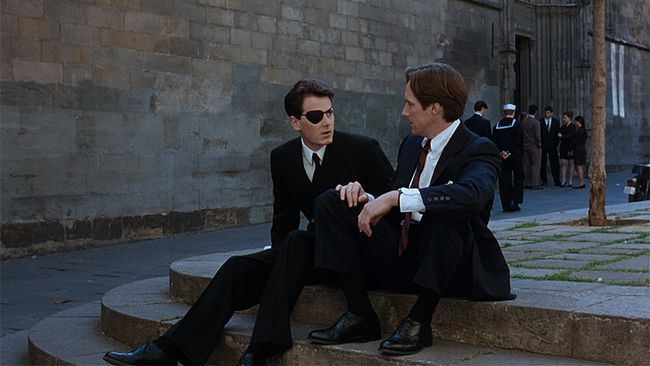
While Stillman's characters gradually become aware of their own historicity (at times found reading the works of Oswald Spengler before bed, no less) Ellis' are not. The Yuppies of American Psycho and Less Than Zero are shiny cutouts: myopic automatons lacking any awareness of how insipid their lives really are. Conversely, the characters of Stillman's Metropolitan (1990), Barcelona (1994) and The Last Days Of The Disco (1998), develop - to a degree - a sense of their own place in the world; each film is always on the cusp of breaking the fourth wall of the parochial bubble that is the cast's fate.
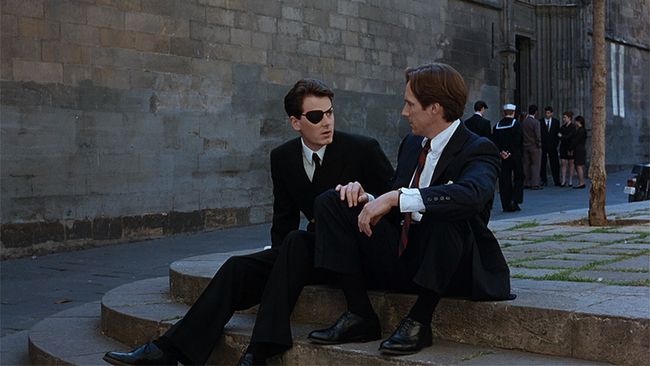
Unlike Ellis, Stillman's nostalgia-as-prophecy has a humanistic streak. The lock-in of globalisation as a geo-spatial circuitry for affluent jet-setters to hop from one global city to the next, is a constant theme in Barcelona; exposure to continental Europe's growing hostility towards the world's 'policeman' gradually defangs the Icarian hubris of the willfully ignorant, American characters. Change is afoot in The Last Days Of The Disco, too - the final film of the trilogy - characters perceive their generation as one running out of time; disco is dead, its glitter turned to dust. Rebellious, grassroot subcultures bloom in its place; born out of the frustrations of lower-middle and working-class youths who were never to taste such heady decadence.
In Metropolitan, characters joke about early warning signs that contemporary 'barbarism' is becoming a competitive moralising of the self-righteous. In a modern world of plenty, Veblenian conspicuous consumption loses its lustre; filtering down from the elites to the middle classes, what distinguishes you isn't material goods, but purported moral virtue. This currency is, today, the cultural left's life blood; goose-stepping conformity of corporations rallying around 'woke' capital is just seasonal decay, icing on the cake. Stillman, clearly, is a Spenglerian documenting the winter season of the West in a sentimental, rueful manner; albeit signposting likely caveats as proceedings unfold.
Barcelona