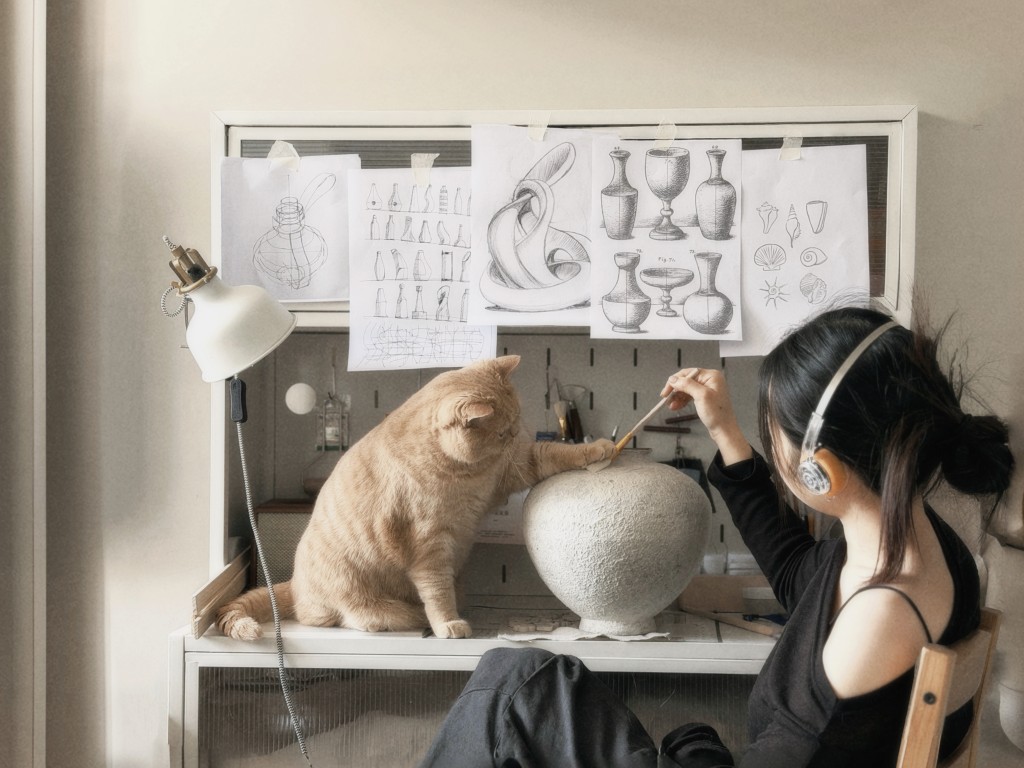
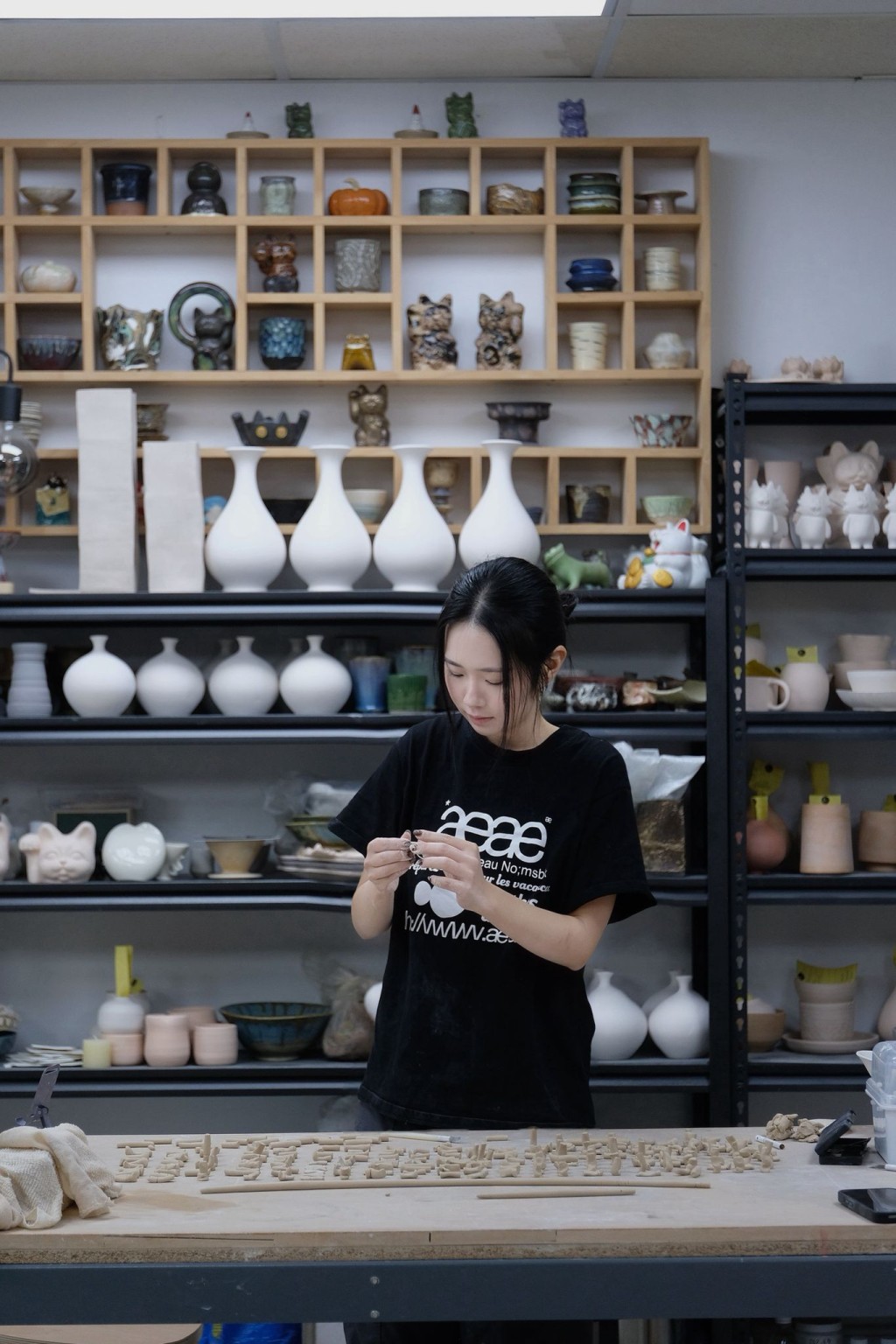
Ceramic artist Chan Ka-po at a corner of her studio, where clay, fire, ideas and quiet experimentation converge.
In an era saturated with speed, clarity, and instant expression, Hong Kong-based artist Chan Ka-po chooses to linger in the opposite terrain — the suspended, the incomplete, and the quietly unresolved.
ADVERTISEMENT
SCROLL TO CONTINUE WITH CONTENT
A ceramic artist, photographer, and graphic designer, Chan does not regard these identities as separate professions but as different outlets of the same visual thinking. Graphic design gave her a foundation in structure and precision. Photography sharpened her sensitivity to texture, light, and fleeting moments. Ceramics, she says, is where all of that thinking becomes physical.
“It pulls two-dimensional ideas into three-dimensional space,” Chan explains, “and introduces time, gravity, and fire as variables.”
The disciplines operate like an ecosystem. A texture captured through photography may later reappear in clay, while ceramic forms demand the same compositional planning she learned from visual communication. Among these mediums, ceramics has become her most compelling conversational partner — a material that responds, resists, and speaks back.
While ceramics currently occupies the center of her practice, Chan emphasizes that she has never closed herself off from other artistic possibilities. She remains open to working across different forms, seeing her creative path as fluid rather than fixed. For now, it is clay that continues to hold her attention — not as a permanent destination, but as the material through which her questions feel most alive.
That dialogue began partly out of fatigue. Trained in visual communication, Chan found herself growing weary of digital processes that felt overly smooth and predictable. She longed for a form of making that involved the body, resistance, and accident. Clay offered exactly that.
From wet softness to kiln-fired permanence, ceramics unfolds as a collaboration with natural forces. The material does not always obey. Works crack, warp, or emerge from the kiln bearing unexpected colors. Each failure initially provoked doubt. Over time, however, Chan says those moments taught her to relinquish absolute control and to listen to the material rather than dominate it.
This philosophy underpins her practice, which is anchored in experimentation and the dismantling of inherited frameworks. For Chan, one of the most urgent assumptions to break is functionality.
“Why must ceramics be bowls, cups, or vessels?” she asks. “Why can’t it simply be a carrier of emotion?”
She is equally uninterested in chasing so-called perfection, gravitating instead toward fractures, collapses, and firing marks — evidence of process rather than concealment. Even the idea that ceramics must feel static is something she resists. Many of her works strive to appear suspended and unfinished, as if caught mid-sentence.
For Chan, ceramics is the space where ideas gain weight.
For Chan, ceramics is the space where ideas gain weight.
To audiences unfamiliar with contemporary ceramics, Chan offers a simple invitation: forget containers. Imagine clay as the fossil of a feeling, or the skeleton of a sentence. Her works do not exist to hold objects, but to hold the weight of memory.
That approach materializes powerfully in her upcoming exhibition, which centers on two bodies of work: The Poems Never Sent and Unburned. Together, they form a quiet but insistent meditation on what remains unsaid.
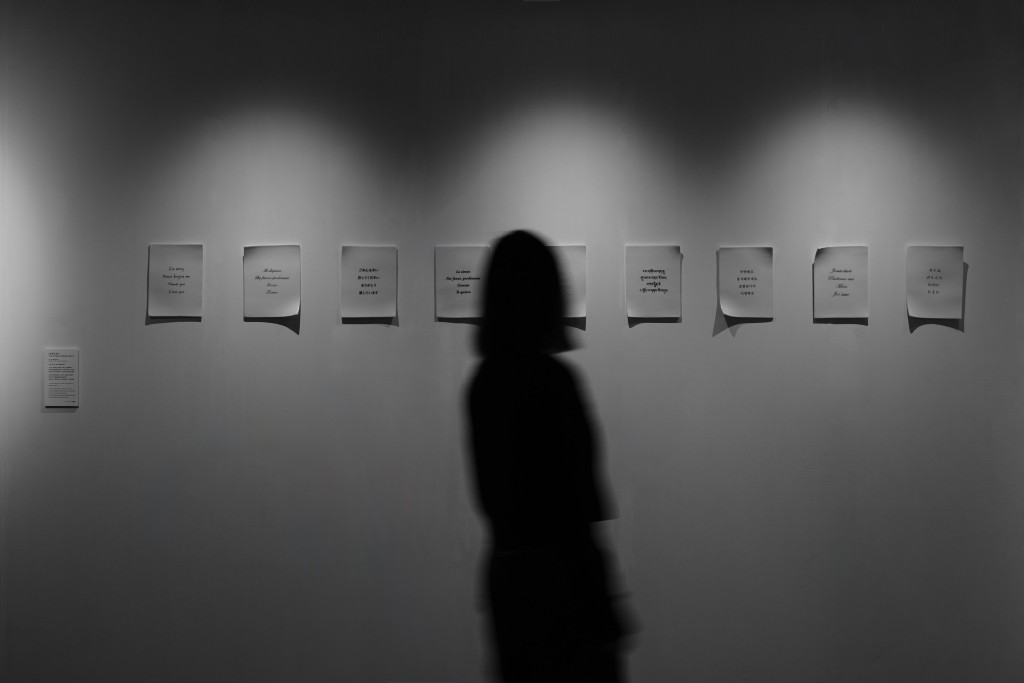
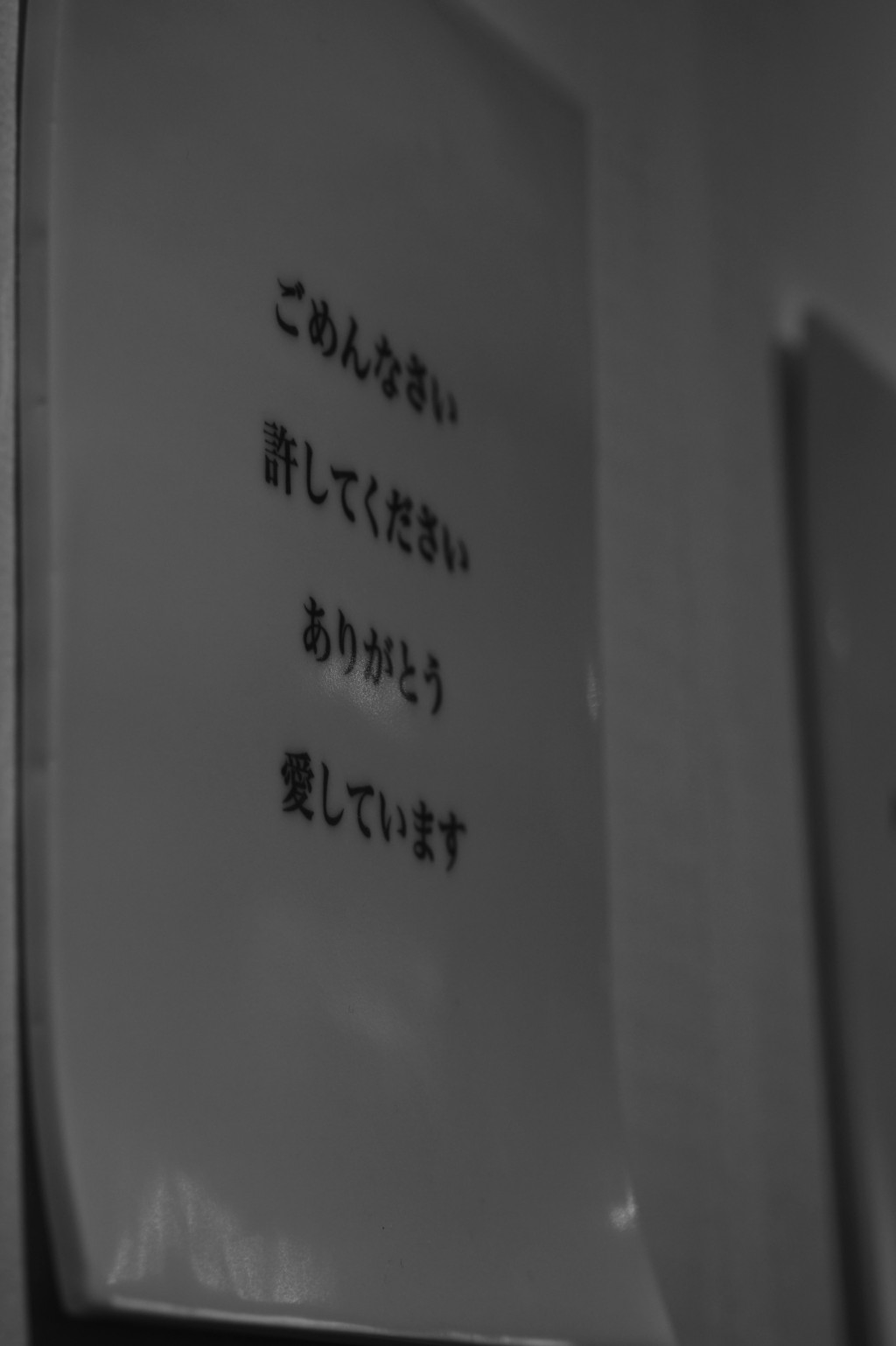
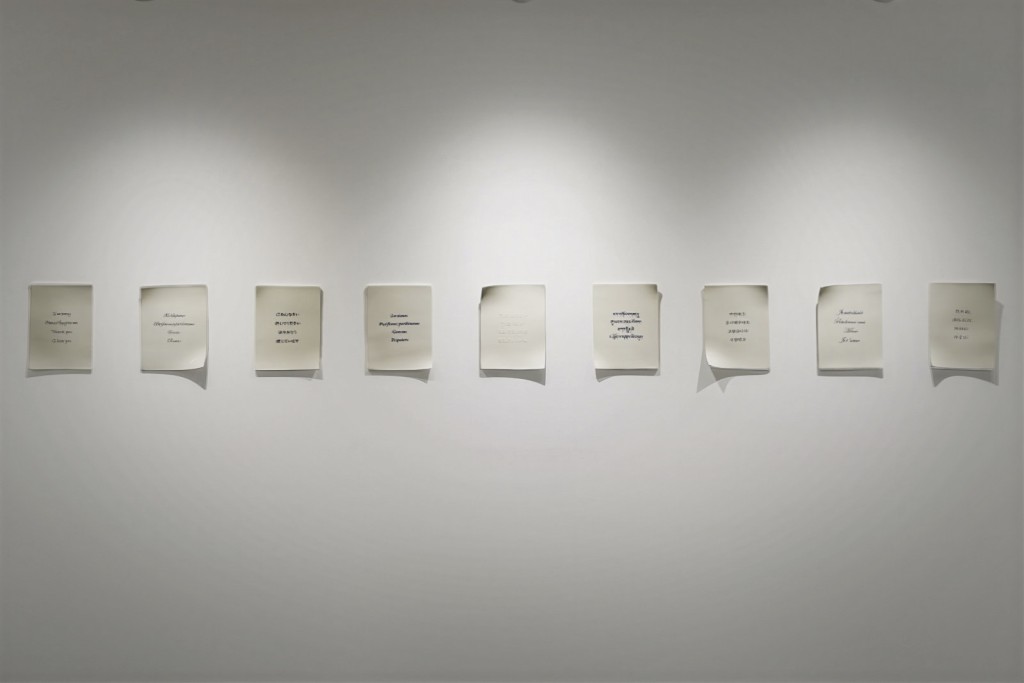
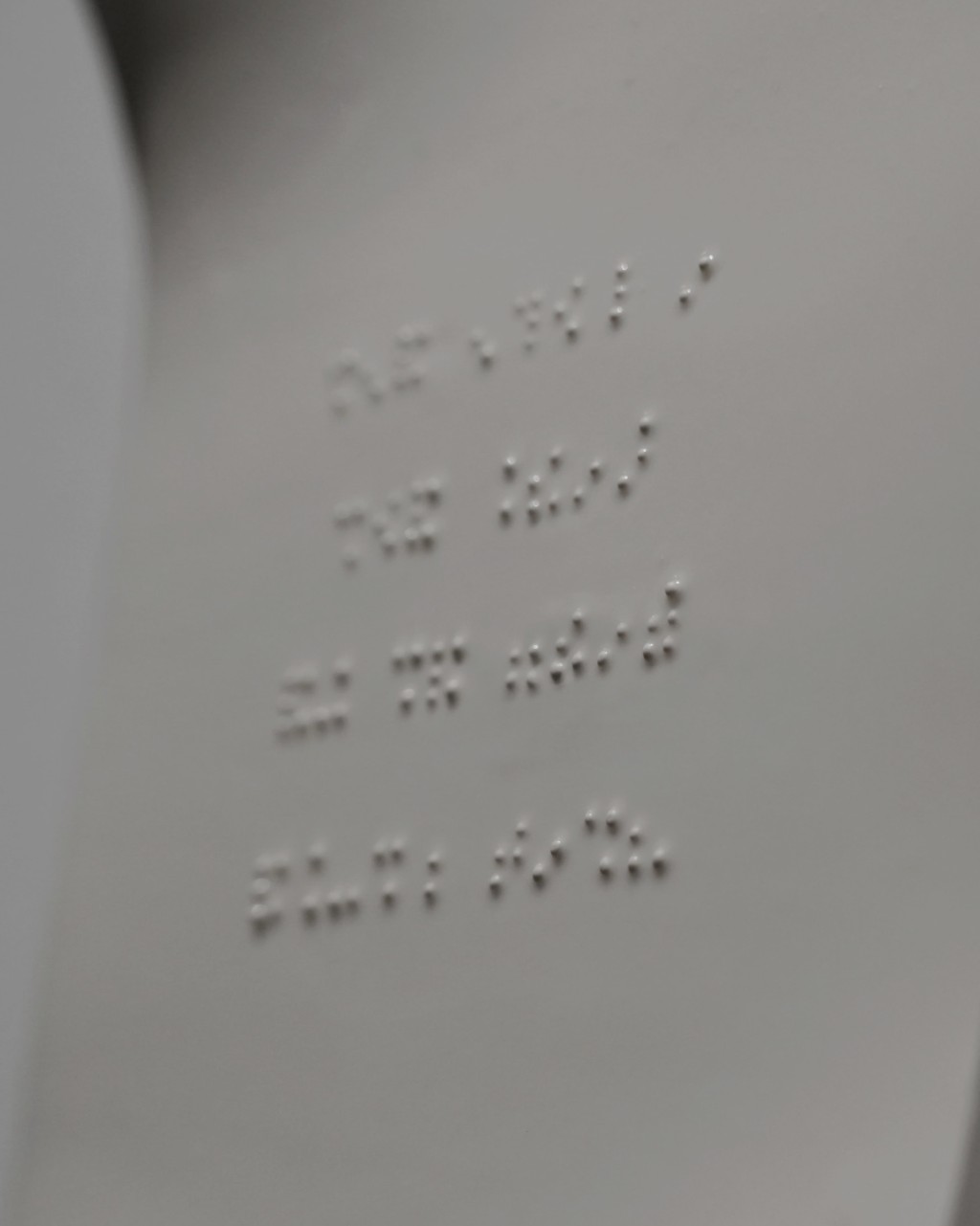
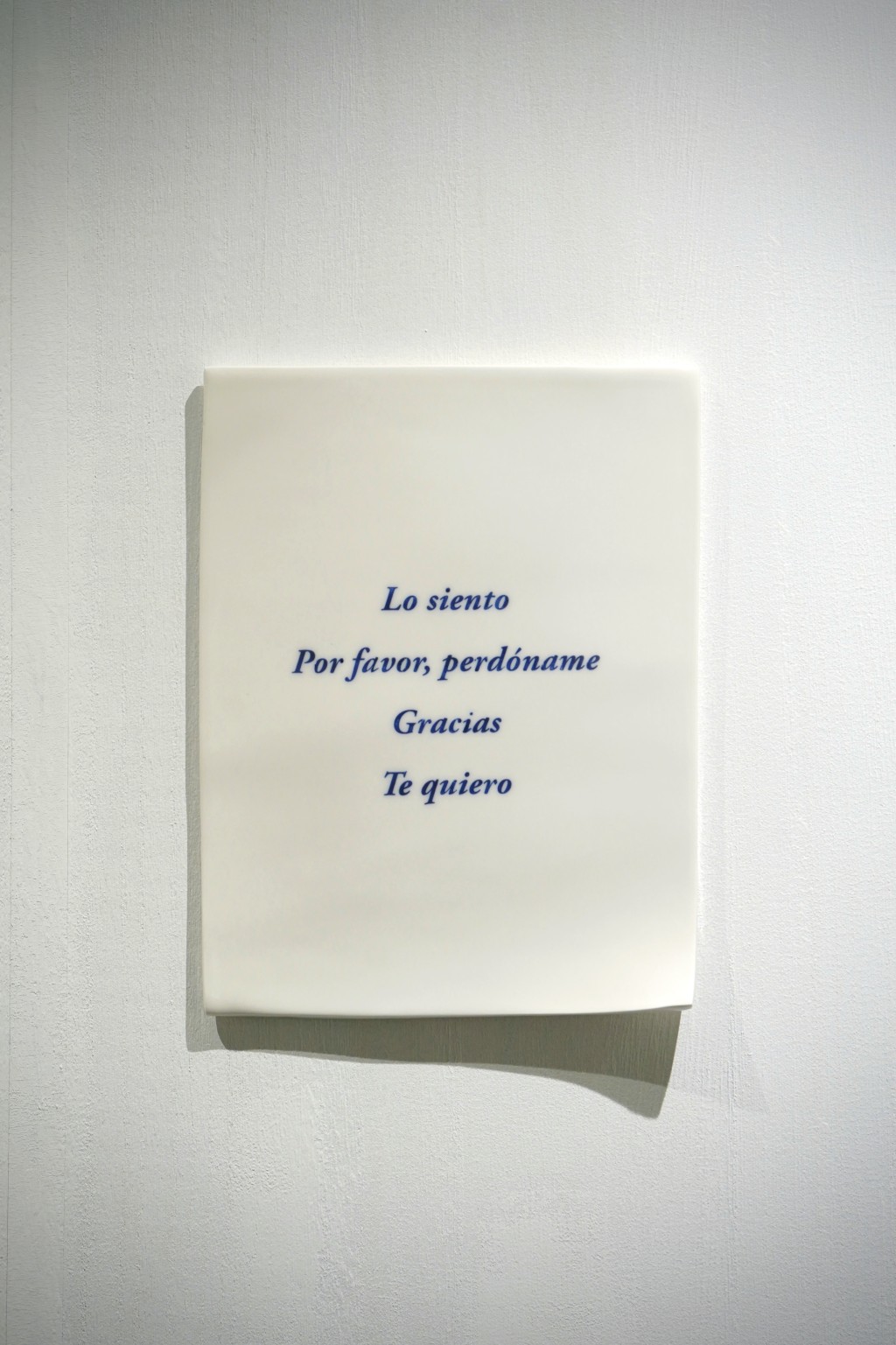
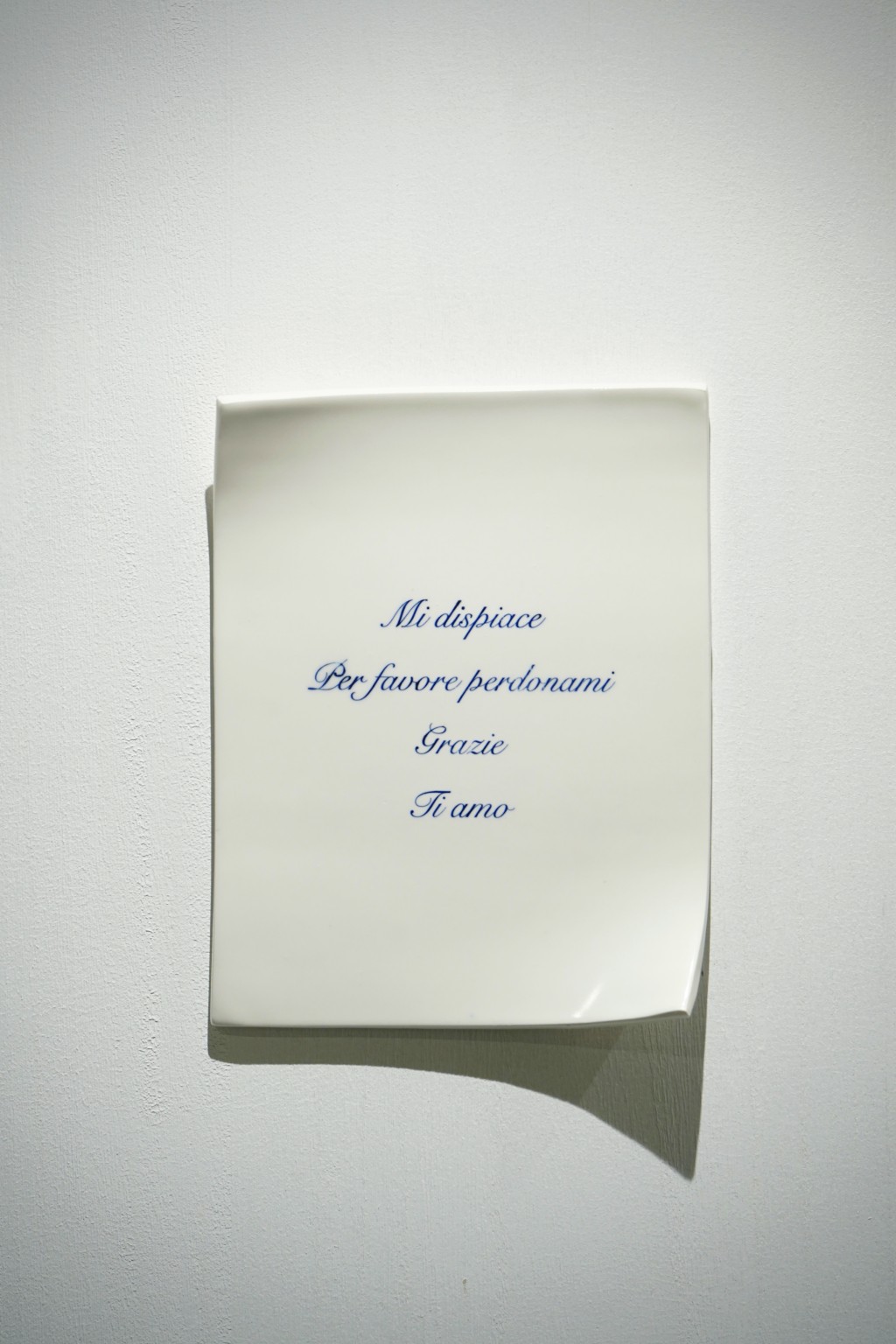
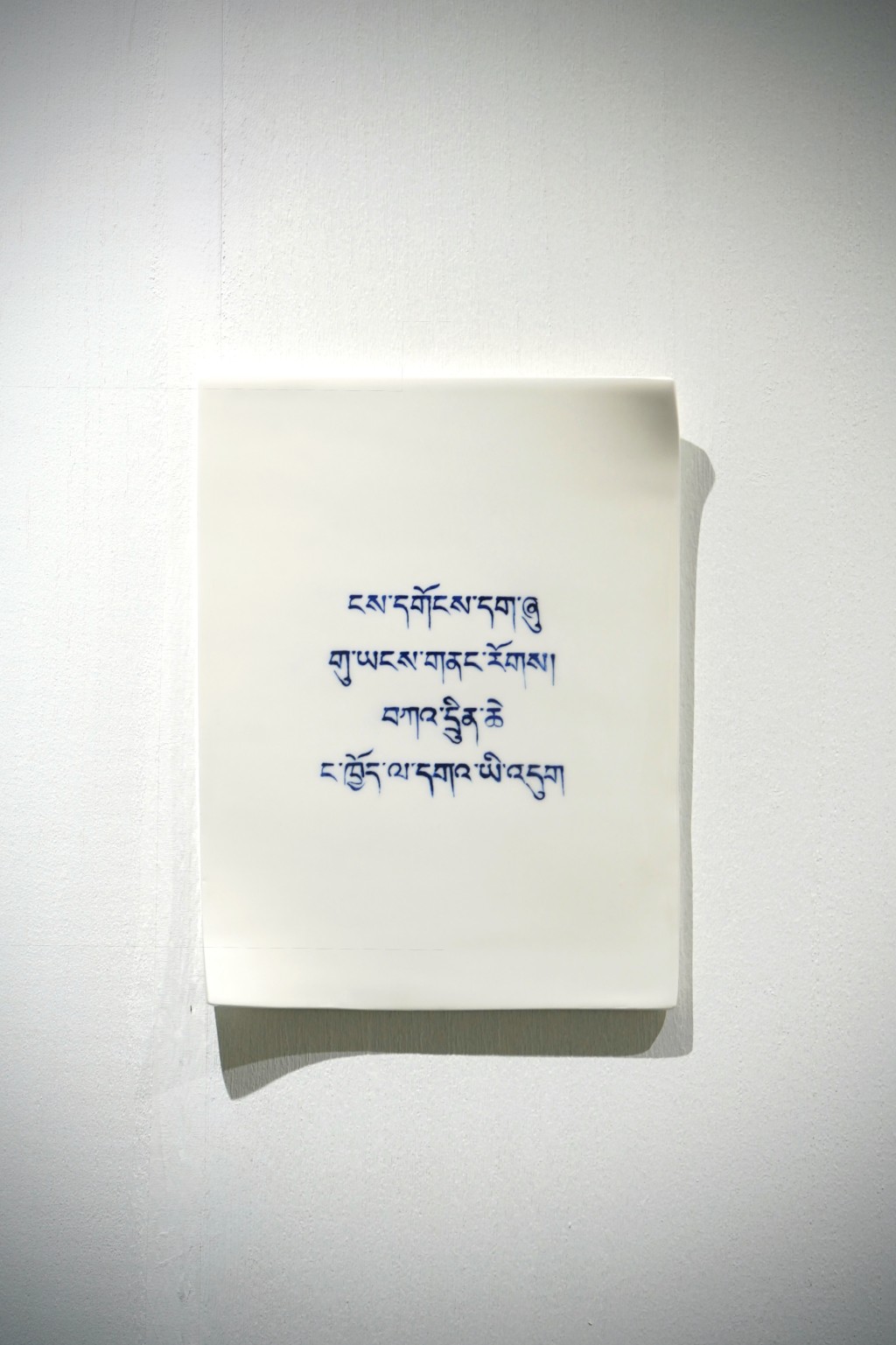
The Poems Never Sent presents sheets of porcelain shaped to resemble folded paper. Printed across their surfaces are four short phrases — “I’m sorry,” “Please forgive me,” “Thank you,” and “I love you” — rendered in multiple languages, including tactile raised text. The words originate from Ho’oponopono, a practice focused on inner reconciliation.
Chan was drawn to these phrases because of their simplicity and their immense emotional charge. They often become lodged between heart and throat, endlessly rehearsed yet never delivered. In that suspended state, emotion ferments.
By firing these fragile sentences into hard ceramic, Chan performs what she describes as an act of emotional solidification. Ephemeral words become permanent matter. Yet the material itself remains fragile. The paradox is intentional: what appears strong can still shatter, mirroring the vulnerability beneath even the most hardened exterior.
The repetitive process of writing, shaping, and firing the words became a ritual for the artist — a way of extracting internal noise, giving it form, and creating distance from it. By the time the works were complete, Chan says much of their personal grip on her had already loosened.
+2
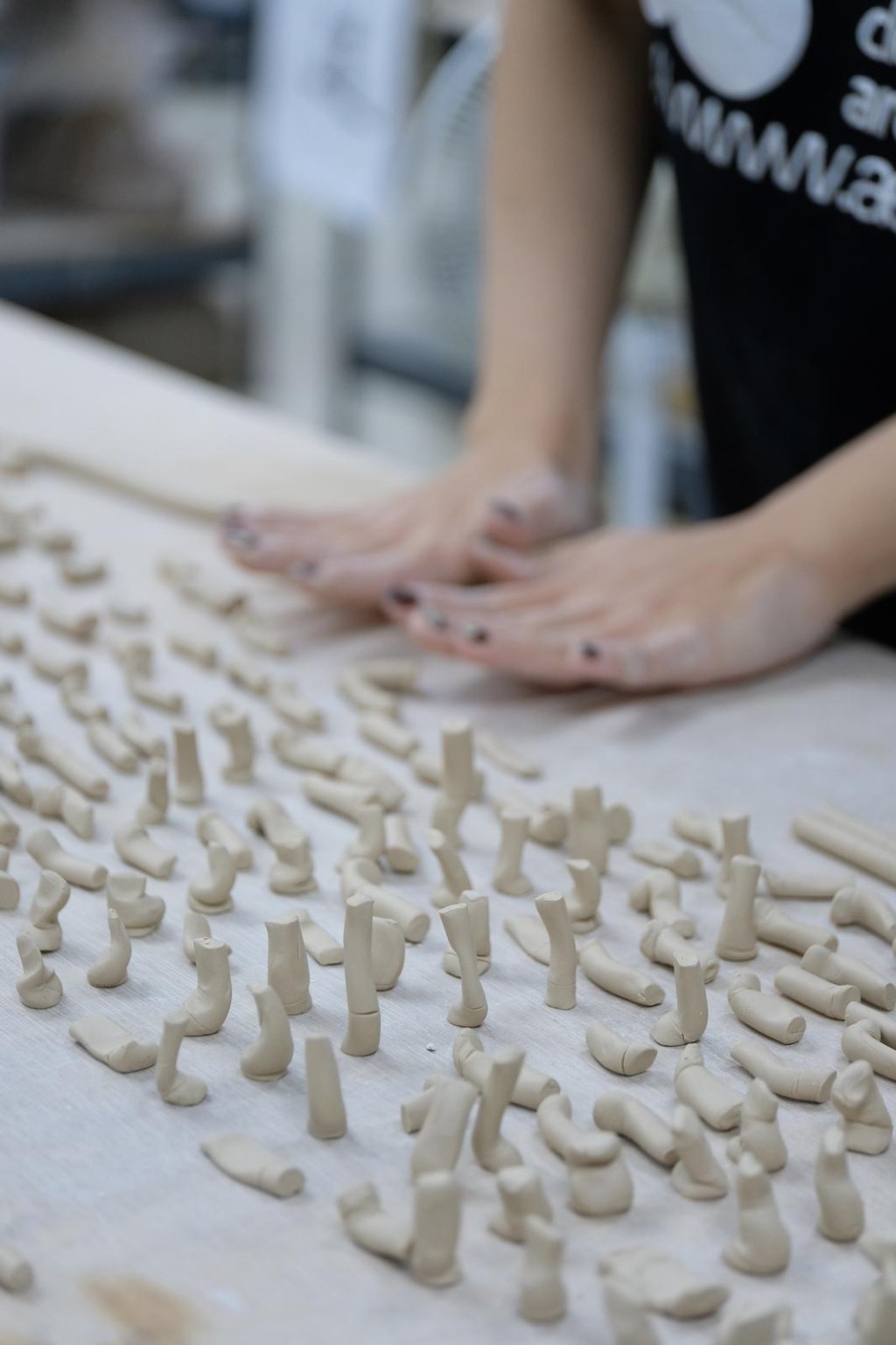
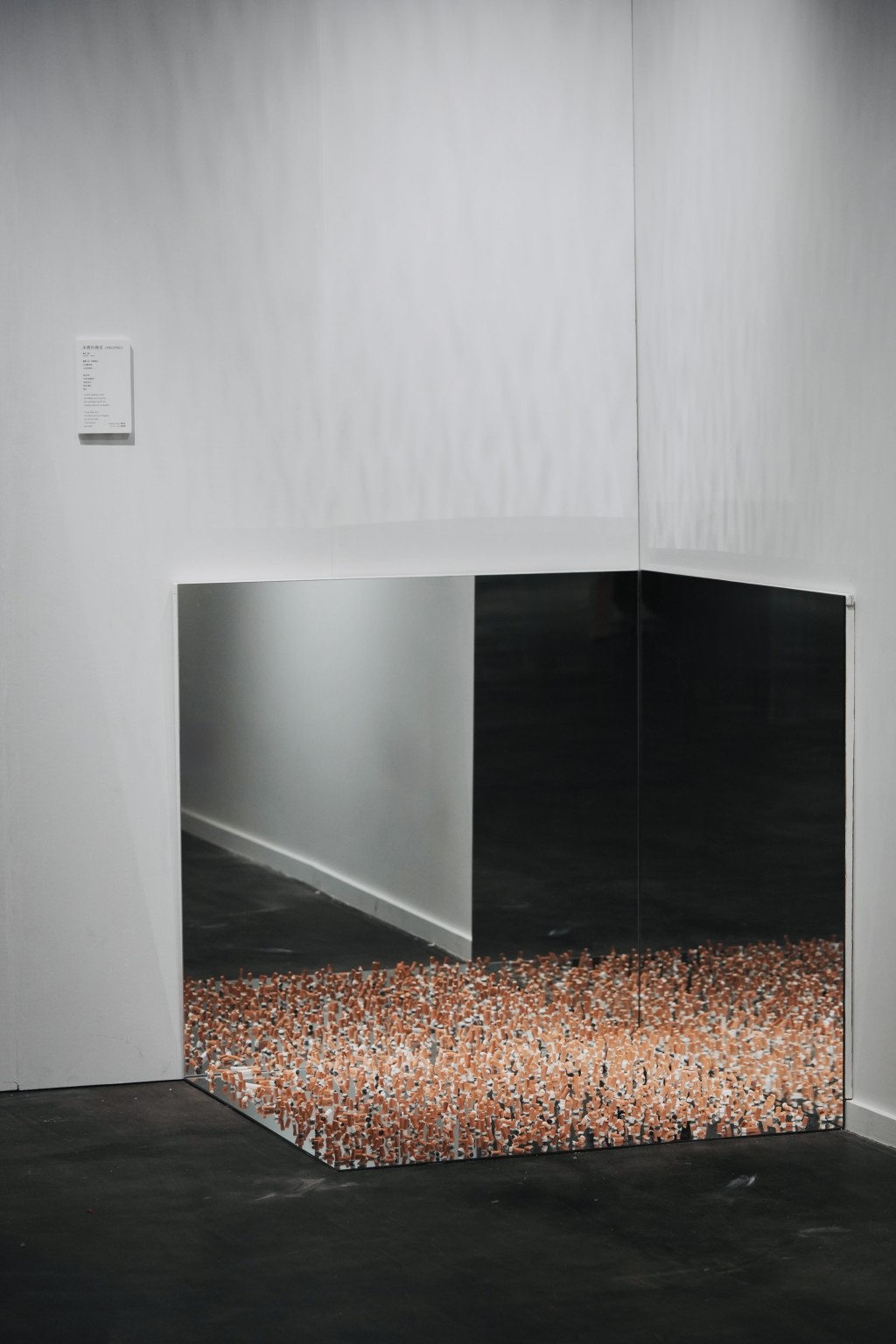
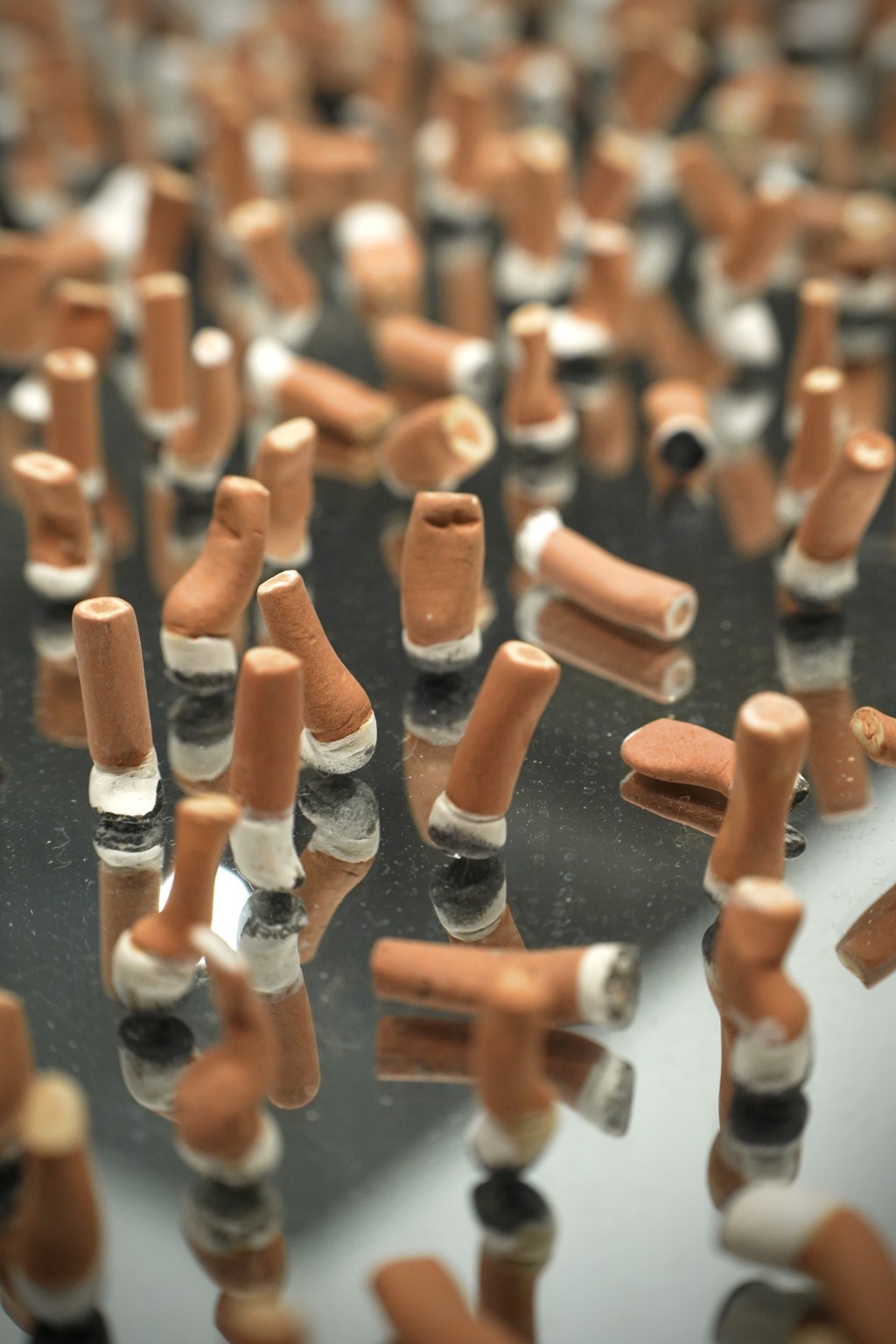
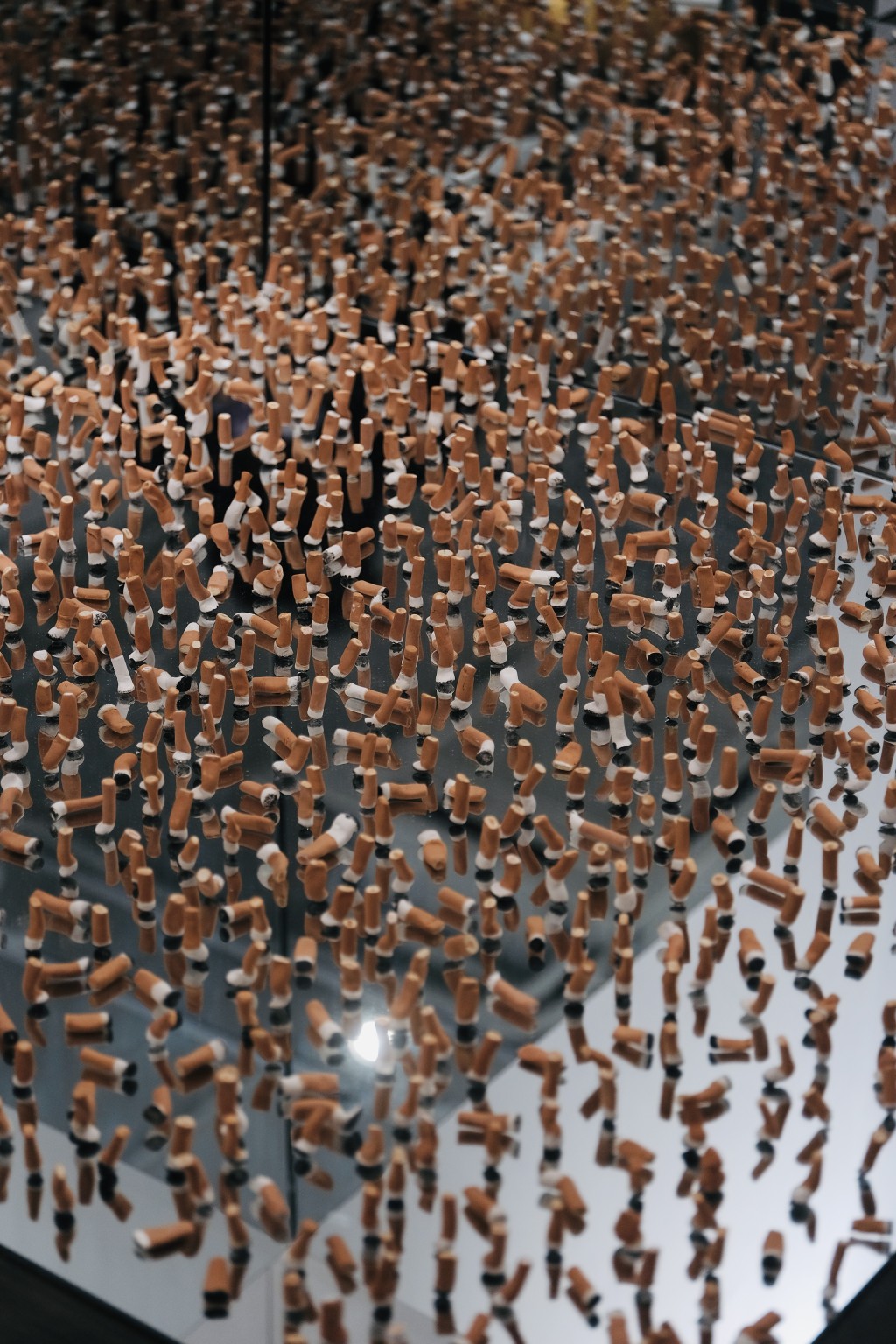
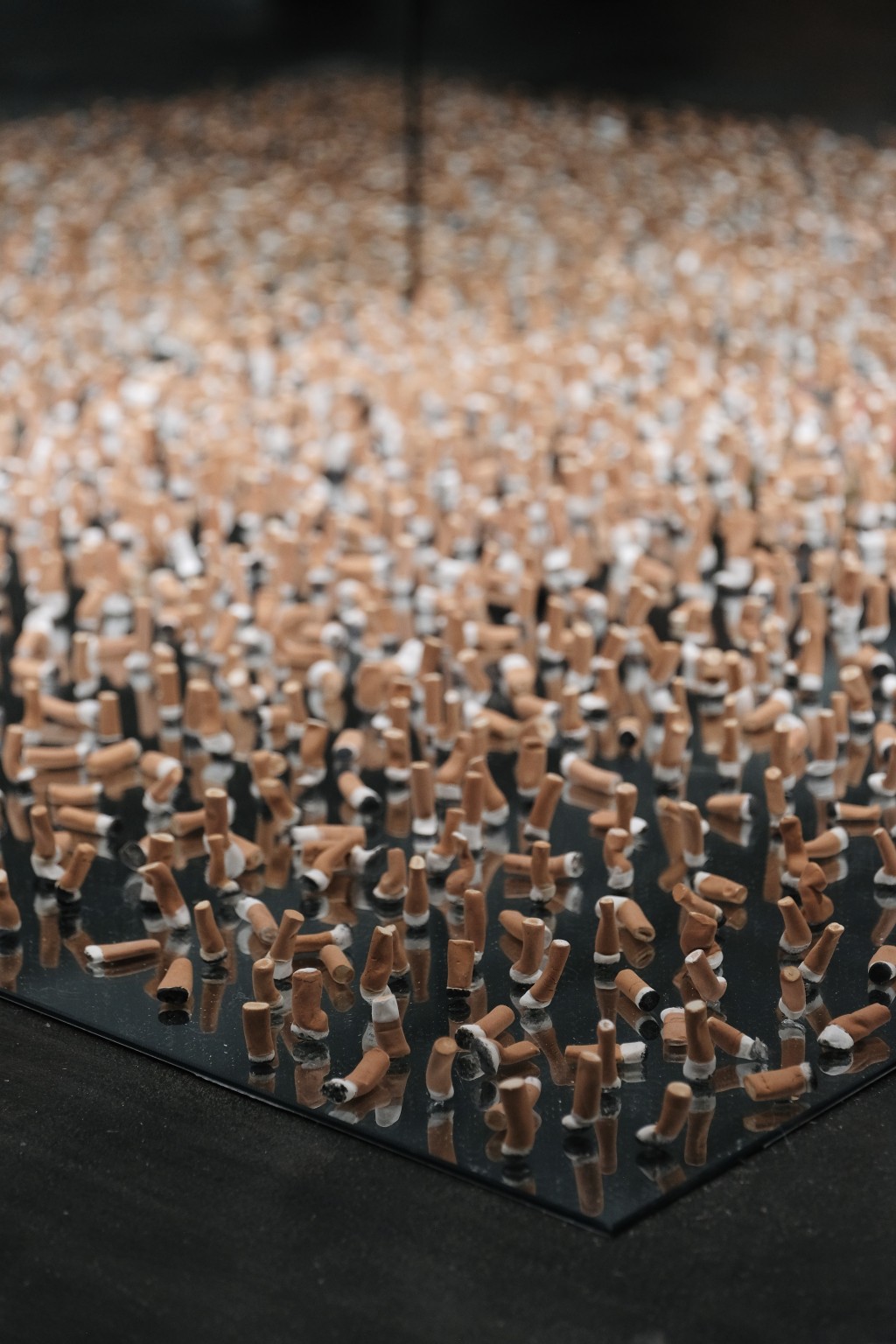
If The Poems Never Sent looks inward, Unburned turns outward toward a collective emotional climate. The collaborative work with fellow artist Kavieng Cheng Ka-wing began with an unremarkable urban sight: discarded cigarette butts scattered on a street corner.
The two were struck by the objects’ quiet pathos. They resembled exhausted goodnights — private rituals extinguished and abandoned. What might otherwise be dismissed as trash became, in their eyes, the residue of countless solitary moments.
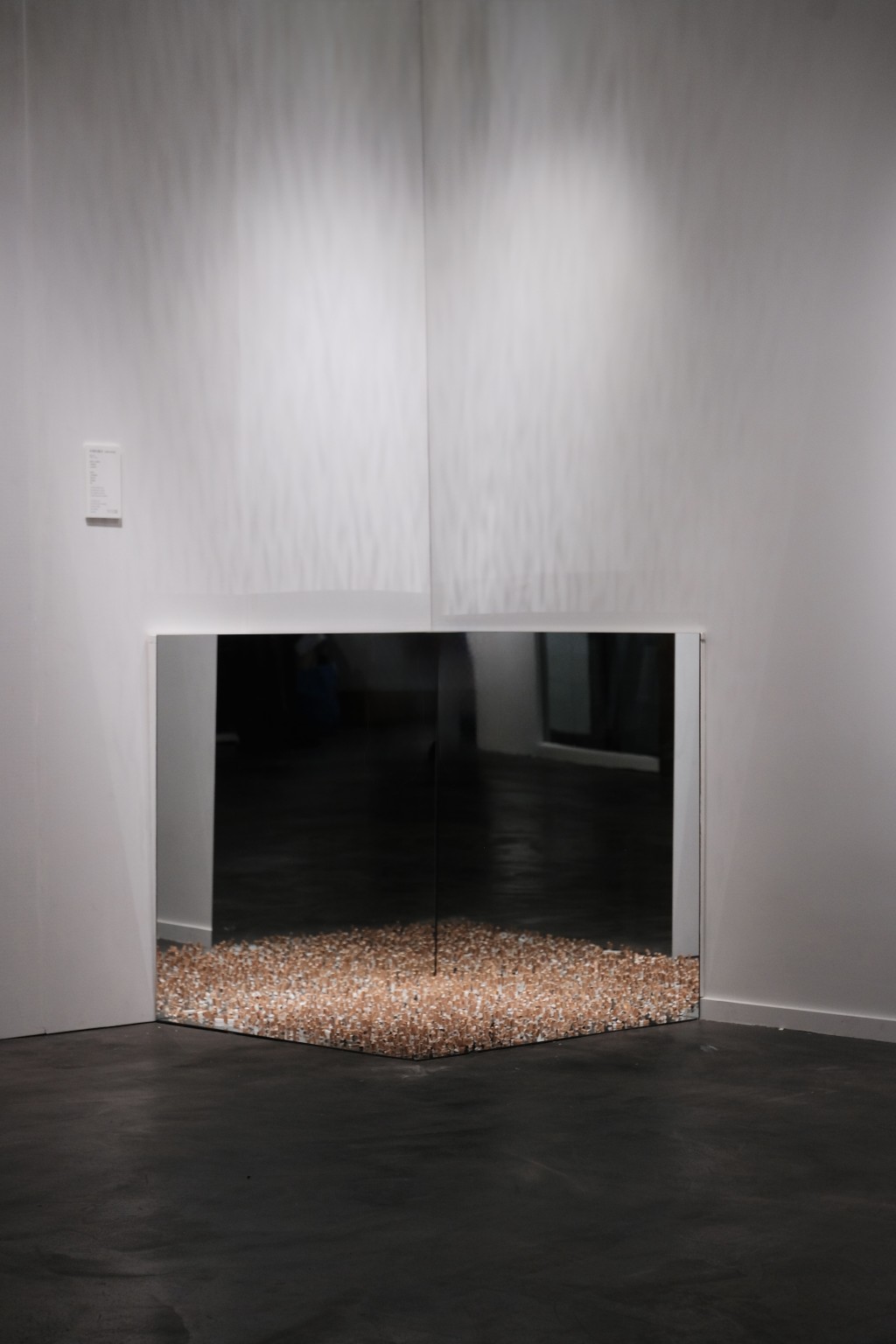
The pair hand-shaped more than 800 ceramic cigarette butts, deliberately repeating the gesture of extinguishing. Each piece bears subtle variations produced by natural cracking and bending, granting every “butt” its own weary posture. The mass of objects is paired with mirrors, which reflect viewers into the scene.
The symbolism is direct but unsettling. The ceramic butts represent traces of the past. The mirrors belong to the present. When viewers lean in to look, they see themselves alongside the remnants, implicating them as both observer and potential contributor. The boundary between private ritual and public space dissolves.
The title Unburned carries a layered contradiction. Physically, the ceramic cigarettes cannot be lit. Psychologically, the comfort and farewell implied by “goodnight” never fully ignites. It becomes an untransmitted gesture, suspended in time.
A line accompanying the work reads: “Staying is more like an ending than disappearing.” Chan describes this not as a personal anecdote but as a universal condition — relationships or emotions that do not end with drama, but erode through inertia. Disappearance suggests action. Staying implies endless anticipation, a slower and often crueler conclusion.
Together, the two works construct what Chan calls a world of “between” — between saying and not saying, ending and not ending, presence and trace. One piece performs inward cleaning; the other captures a shared emotional weather. Both reveal how unexpressed feelings inevitably solidify within us, taking form whether we acknowledge them or not.
Asked what she hopes visitors will carry away, Chan does not name a specific phrase. Instead, she hopes they leave with a sense of recognized silence — the quiet realization that their own unsent poems and unspoken goodnights are not solitary experiences.
If this exhibition marks anything, Chan says, it is not a full stop, but a comma: a pause that gathers what has been explored so far, while opening space for what comes next.
Her invitation to viewers is simple.
“Come and look at the things we have never managed to say.”
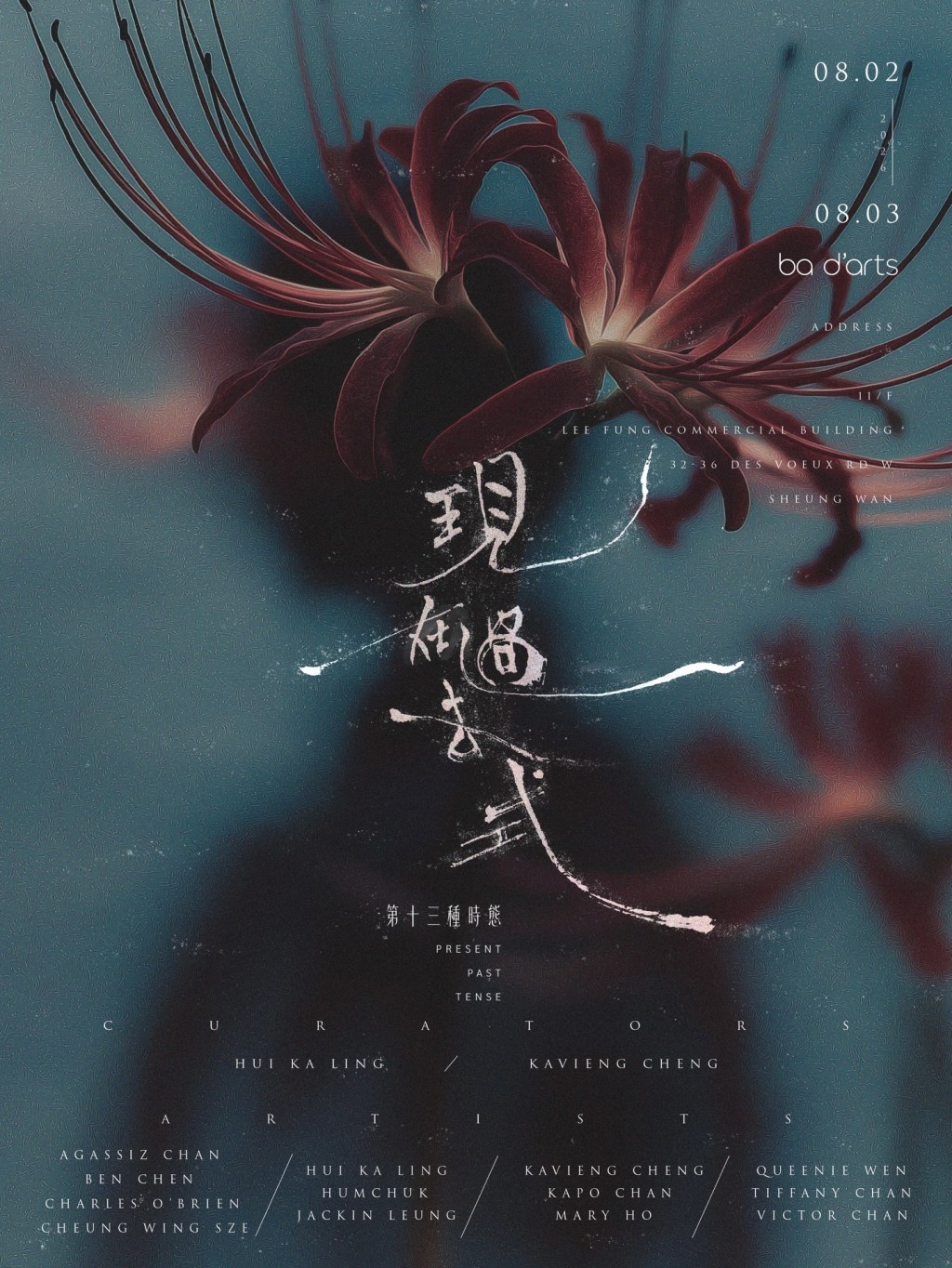
Chan’s works will be presented in the upcoming group exhibition The 13th Tense - Present Past Tense, inviting audiences to encounter these suspended moments and fragile certainties in person.