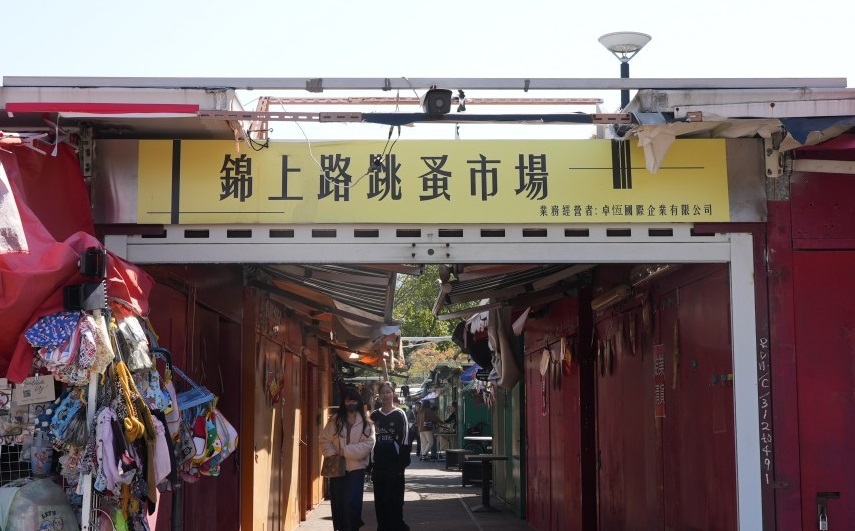
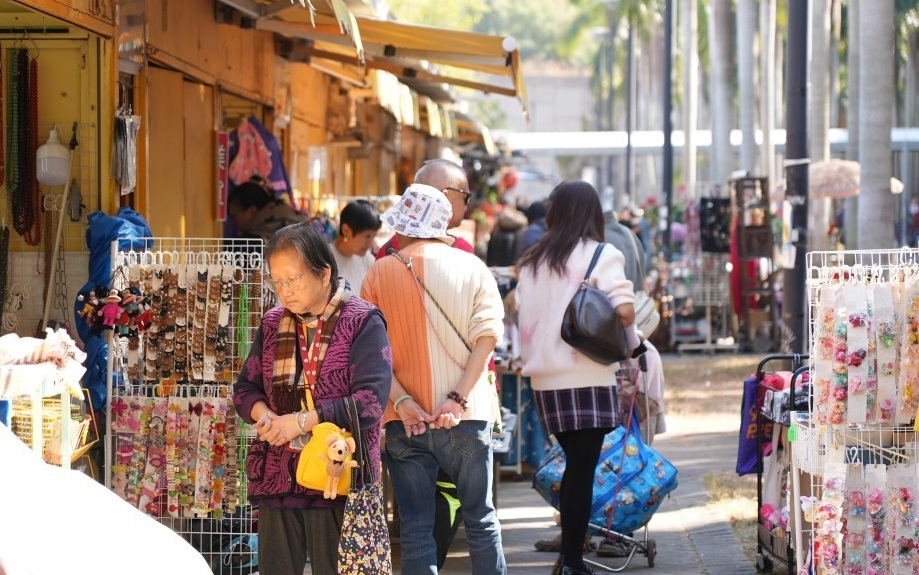
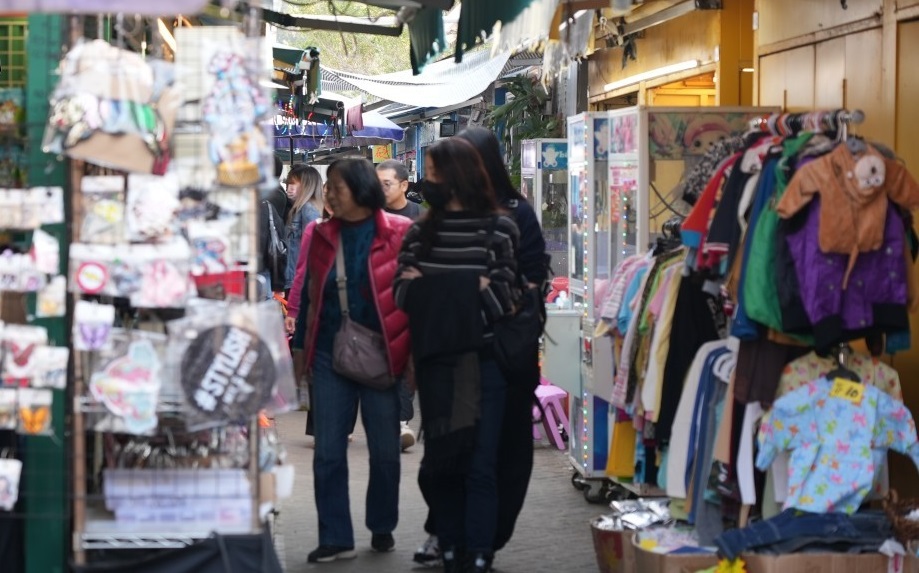
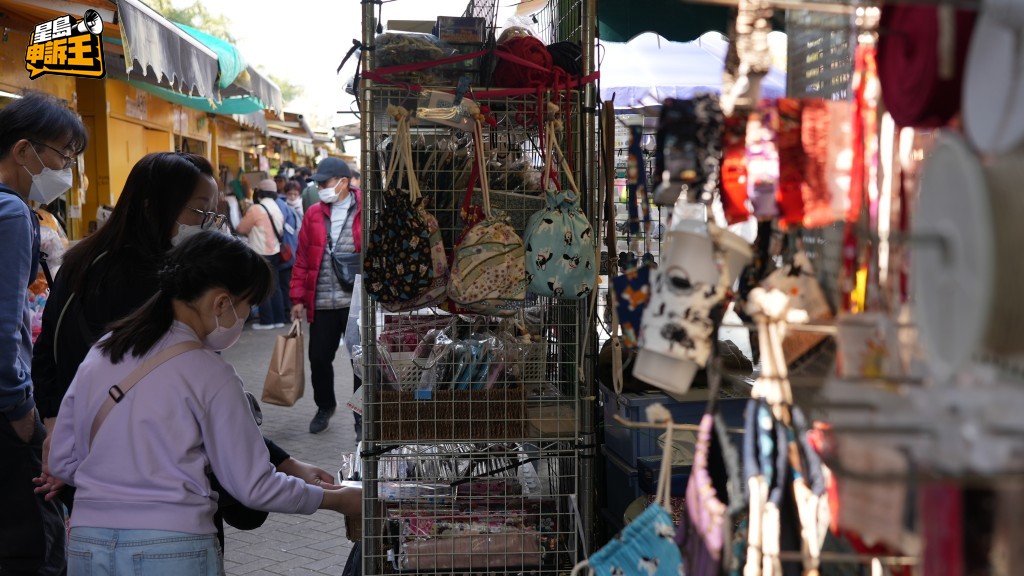
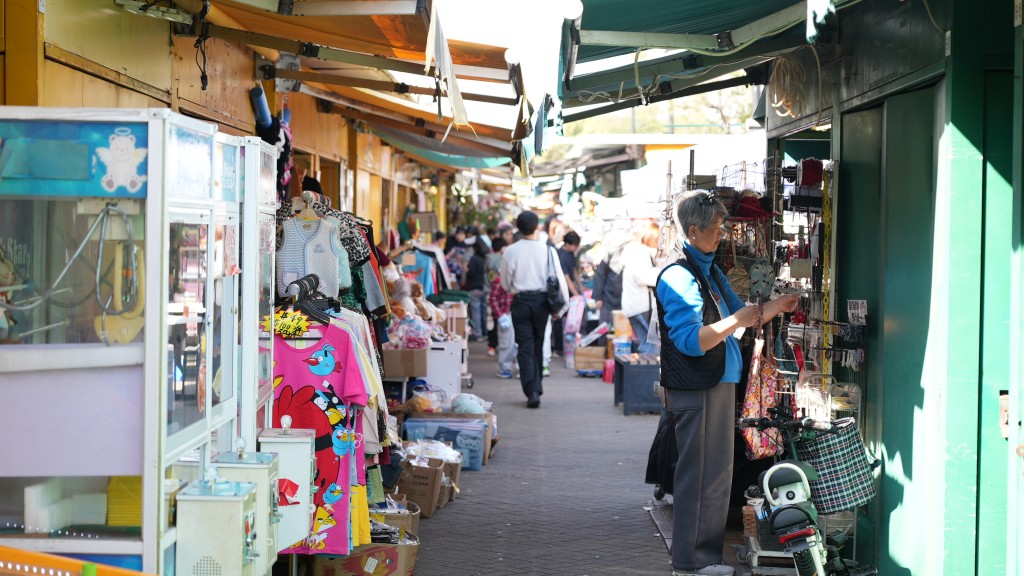
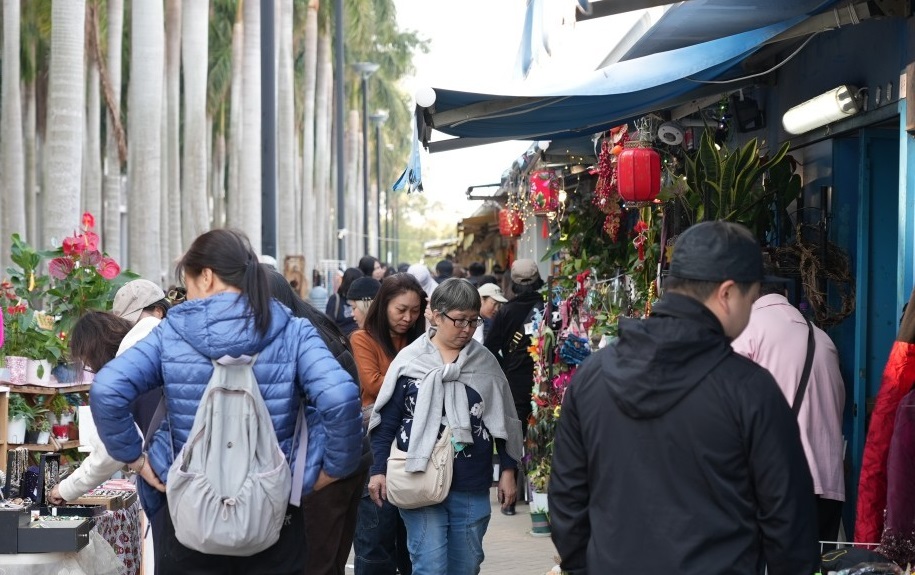
On weekends, the narrow lanes of the Kam Sheung Road Flea Market are usually filled with the sounds of bargaining, laughter, and the rustle of shoppers sifting through curiosities. For nearly two decades, the market has been a modest but vibrant fixture in the New Territories, drawing generations of residents in search of handmade crafts, vintage toys, clothing, and simple street snacks.
Now, that familiar scene is set to disappear.
The Kam Sheung Road Flea Market, made up of nearly 200 colorful tin-roofed stalls, will cease operations at the end of January as construction of the Northern Link railway advances. Its last trading weekend will be on January 31, with full closure scheduled for February 2.
The announcement has left many longtime stall operators uncertain about their future and deeply saddened by the loss of a place that has become intertwined with their lives.
Some have already packed up and left, unable to bear a prolonged goodbye. Others, bound by years of memories and relationships, have chosen to remain until the final day.
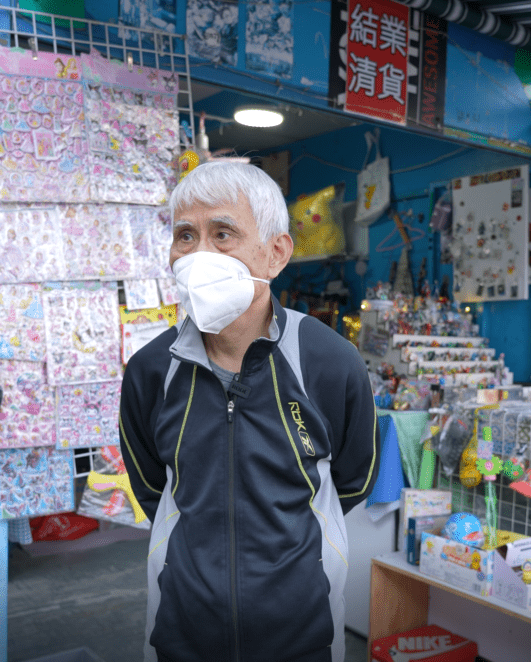
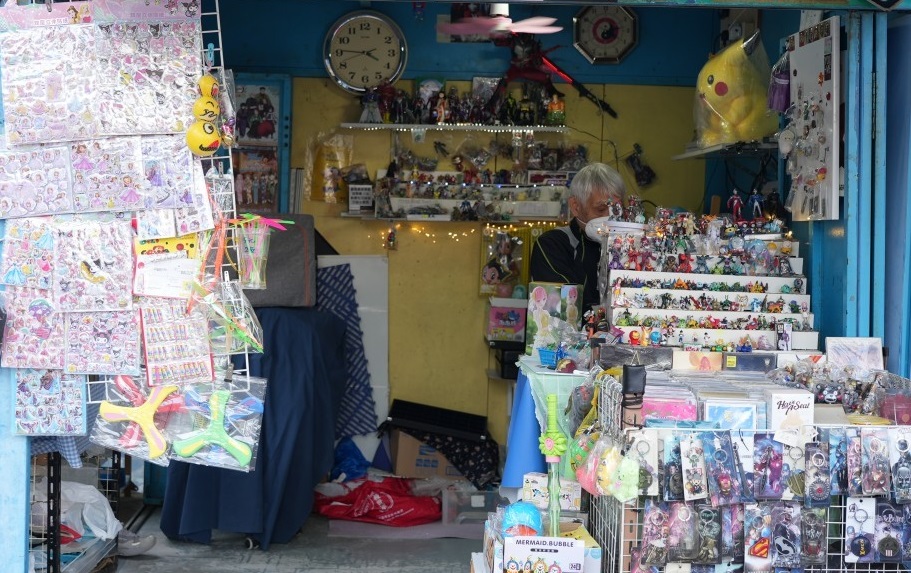
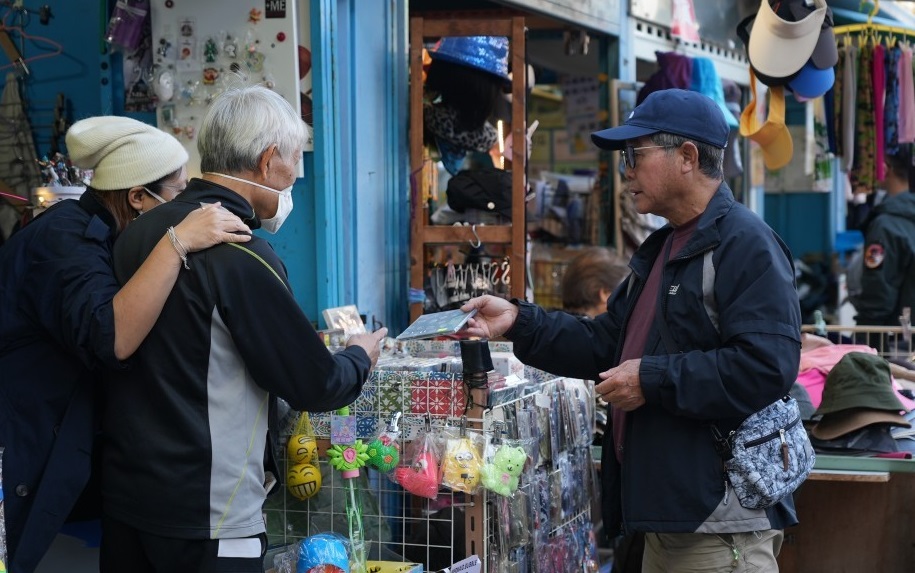
Among them is Uncle Chan, who has been selling Japanese miniature toys at the market since 2008. Over the years, he has watched the flea market rise in popularity and later struggle amid changing consumer habits and redevelopment pressures. When speaking about the impending closure, his eyes well up.
For Uncle Chan, the most irreplaceable part of the market is not the merchandise, but the human connections.
He recalls children who once visited his stall with their parents, now returning as young adults after hearing that the market is closing.
“Do you remember me?” some ask.
“You used to call me ‘uncle,’ now you call me ‘grandpa,’” he replies with a smile.
Inside his small stall are many personal collections, including vinyl records by iconic Hong Kong singers. He carefully points out albums by Danny Chan and Anita Mui, describing them as his “treasures of the shop.” He says he is reluctant to part with them unless he meets a true kindred spirit.
More than anything, he will miss his neighbors.
“Whether it was sunny or stormy, we looked after one another like family,” he says.
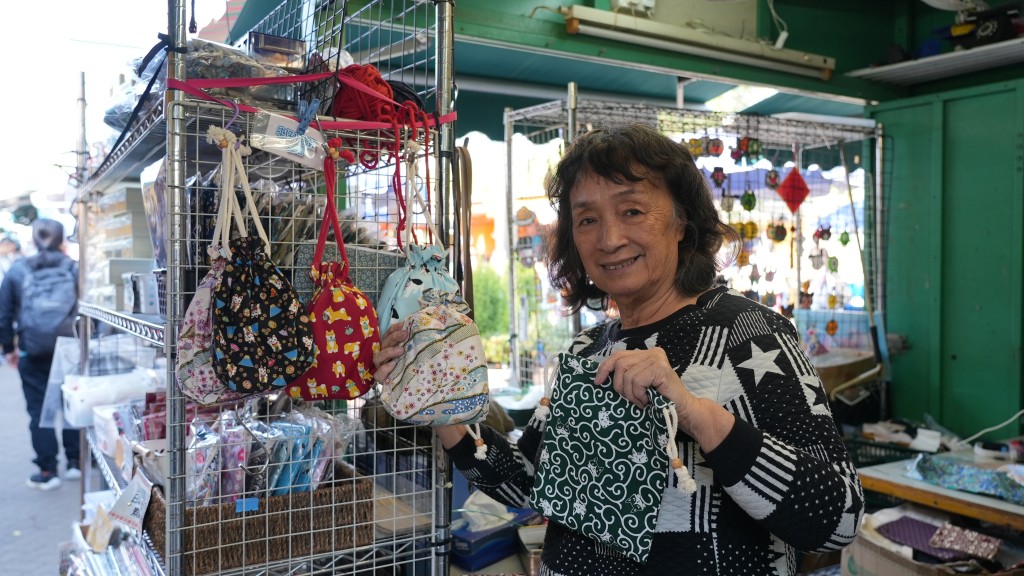
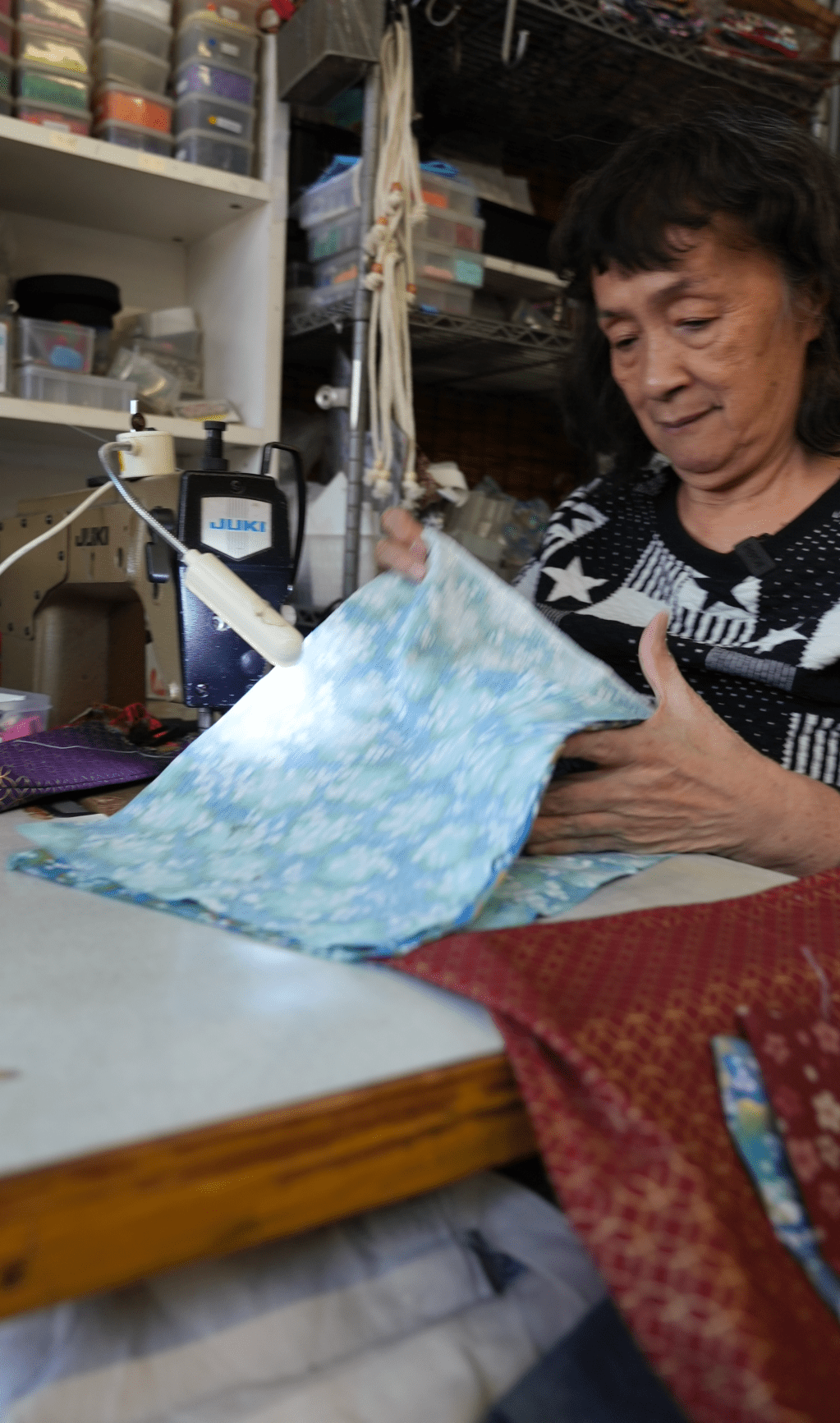
At another corner of the market, “Bean Bean’s Mom,” a fabric craft vendor, stitches quietly behind her counter. She first came to the flea market selling toy building blocks. Later, after her daughter brought back fabrics from Japan, she began sewing cloth bags and small accessories by hand. Today, every item in her stall is made by her.
Over the years, she has built close bonds with fellow vendors and customers alike. Many regulars have become friends, and some even call her their godmother.
“Everyone calls me ‘Mom,’” she says with a laugh.
Since news of the closure spread, large numbers of residents have been making special trips to the flea market on recent weekends to pay their last respects.
Karina, who last visited the market eight or nine years ago, returned after learning it would soon close.
“Hong Kong is losing another place with character. It’s a pity,” she says.
Another visitor, Tang, came specifically to “hunt for treasures” and bought several old Ultraman figurines.
After chatting with stall owners, he says he could feel their reluctance to let go and believes places like this are precious to the city.
As the final days approach, the Kam Sheung Road Flea Market is no longer just a place to browse and bargain. It has become a space for farewells, quiet reflection, and the shared recognition that a small but meaningful chapter of Hong Kong’s grassroots culture is coming to an end.
marco.lam@singtaonewscorp.com