Amid the rhythm of trams and the hum of city life in Wan Chai, the Hong Kong Academy for Performing Arts (HKAPA) is quietly tuning a new harmony — one that bridges centuries of Chinese musical heritage with contemporary creativity.
Long considered the quieter sibling in music education, Chinese instrumental training is now taking centre stage, thanks to a renewed vision at the Academy. From Erhu and Pipa to multimedia crossovers and international collaborations, the Chinese Music Department is rapidly becoming one of HKAPA’s most dynamic offerings.
“Chinese music is not secondary,” says Iñaki Sandoval, Dean of Music at the Academy. “At HKAPA, both the Western and Chinese departments are treated equally, and we aim to raise Chinese music — especially Cantonese traditions — to the same international standards.”
A fusion of heritage and innovation
The transformation began with a shift in mindset — and leadership. With Zhang Chongxue at the helm of the Chinese music department, the focus has moved beyond technical training.
Students now explore arts management, cross-disciplinary collaboration, and even artificial intelligence in music performance.
“Today’s musicians need more than just performance skills,” Zhang explains. “Our students collaborate with dance, film, and stage management departments. They might perform solo one day, and work in production or arts admin the next. We prepare them for all of that.”
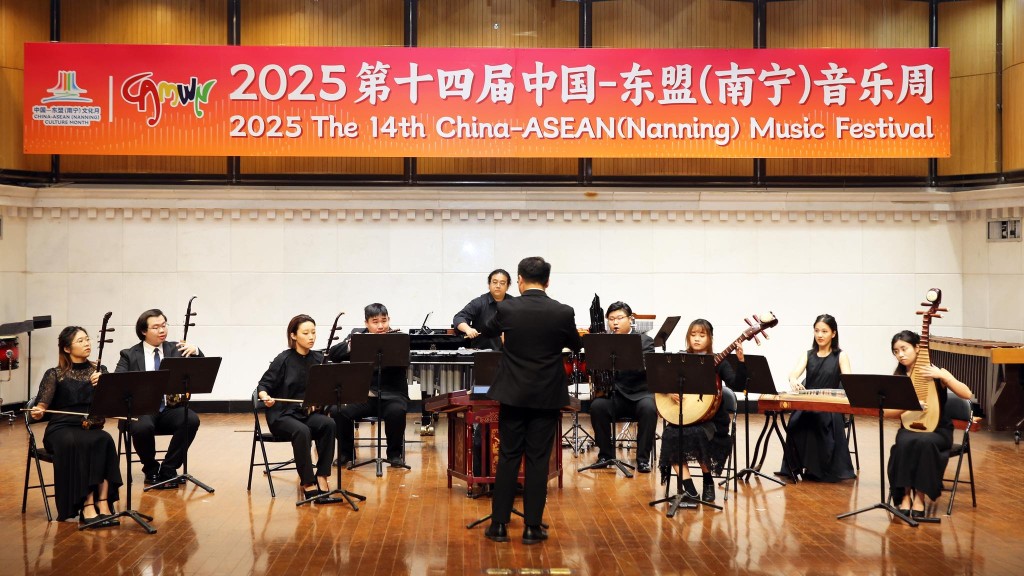
Recent projects include a multimedia concert blending traditional Chinese music with Western instrumentation, video projections, and stage design. And in December, the department will host its largest event yet: the Jiangnan Silk & Bamboo Music Summit, where masters from across the region will descend on Hong Kong to mentor students.
“When I was a student, I never had access to this level of expertise,” Zhang adds. “Now, our students can learn directly from masters without leaving the city. It’s a rare opportunity.”
Learning by doing — on stage and abroad
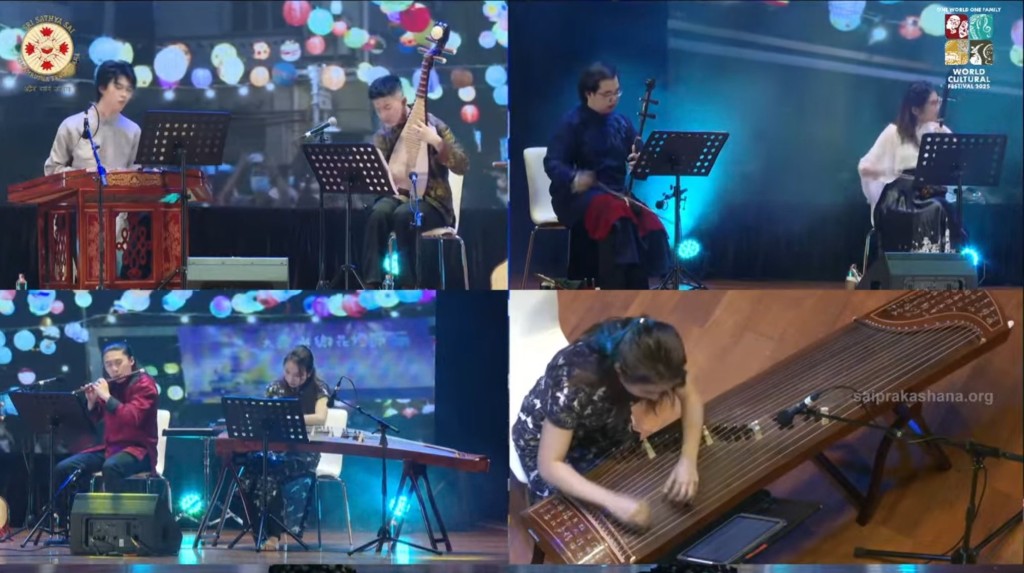
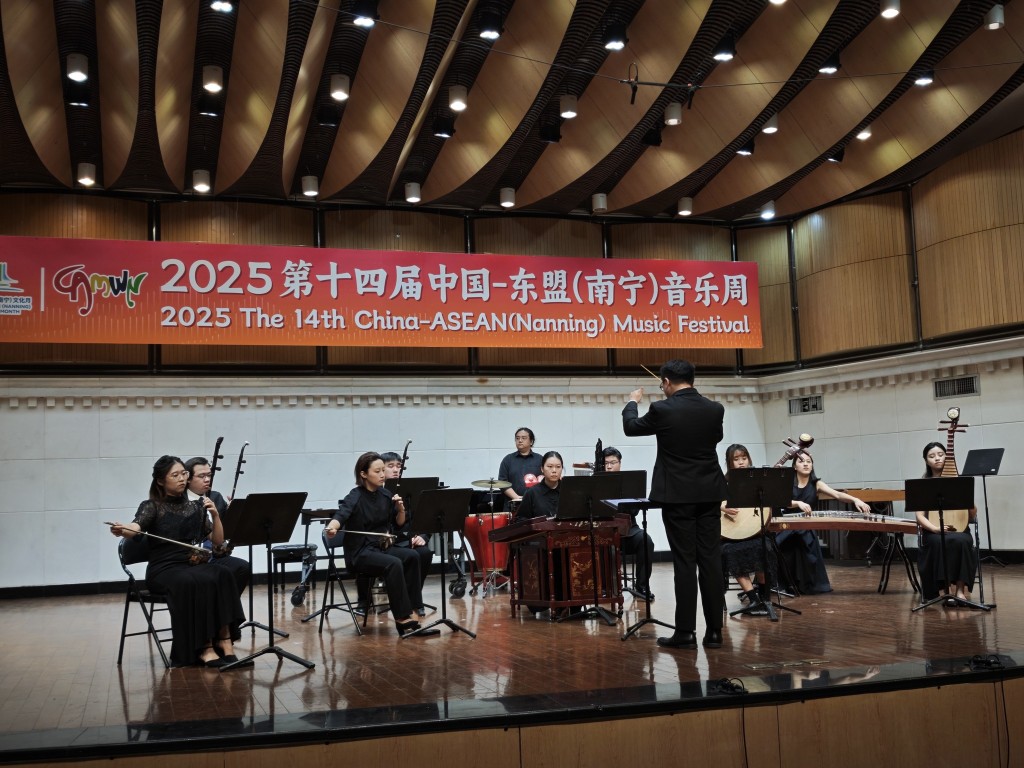
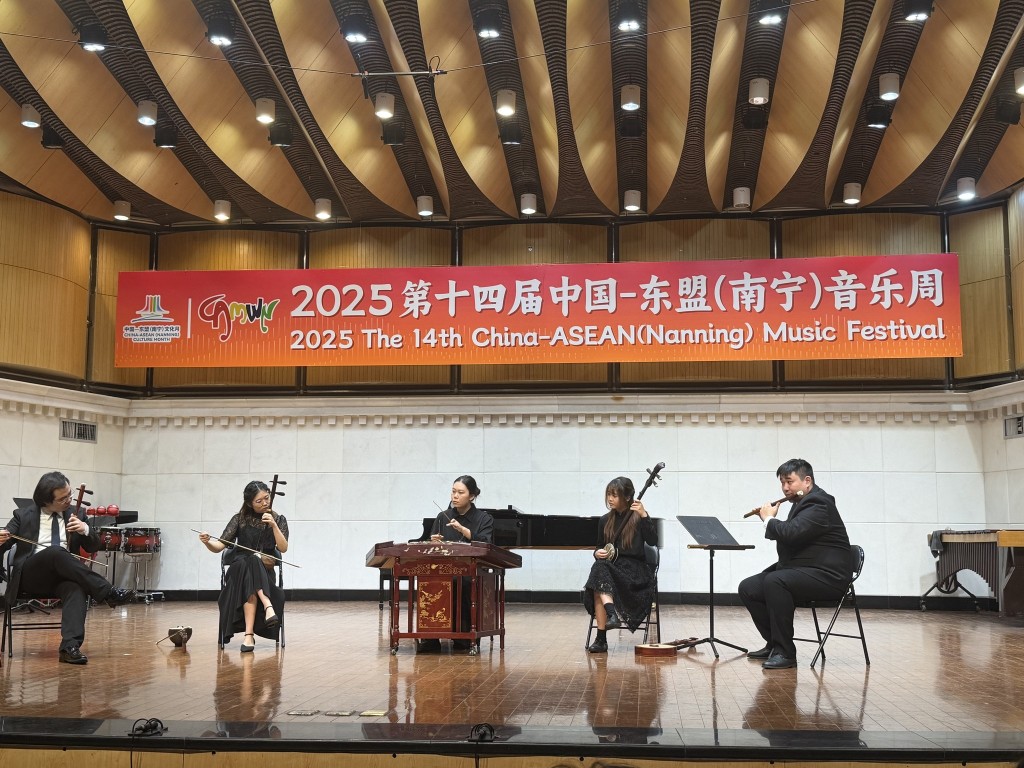
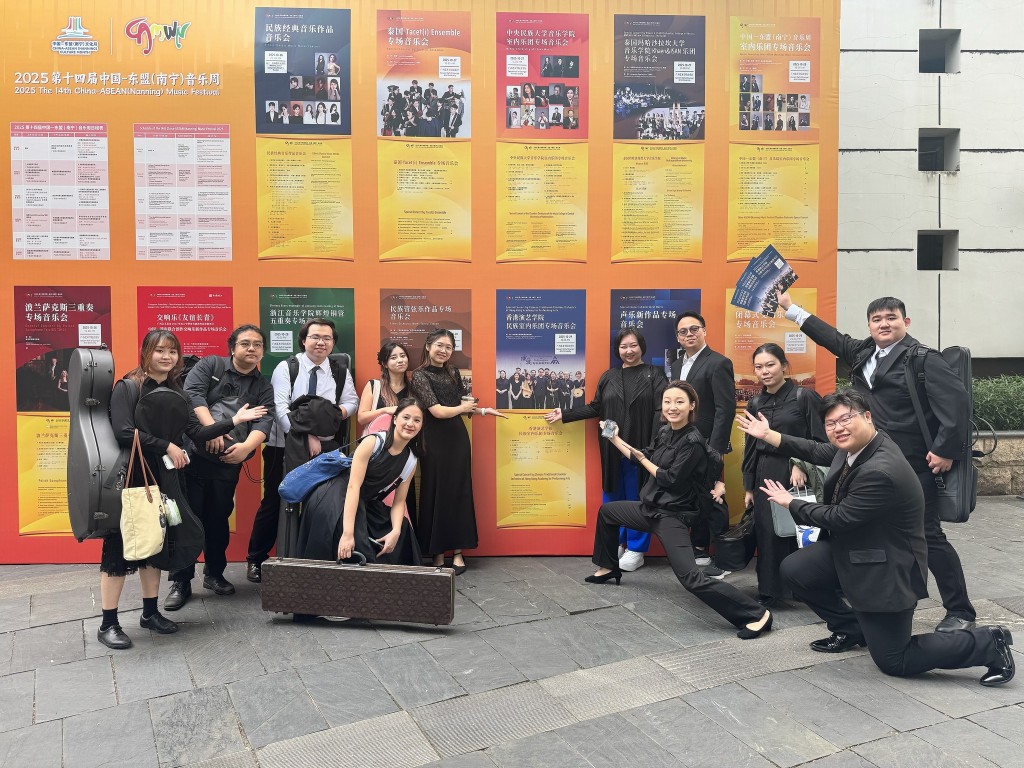
Student life in the department is anything but routine. Weekly orchestra rehearsals mix different instruments and styles, pushing students to develop ensemble skills and stage awareness. Outside the classroom, opportunities for international exchange are growing fast.
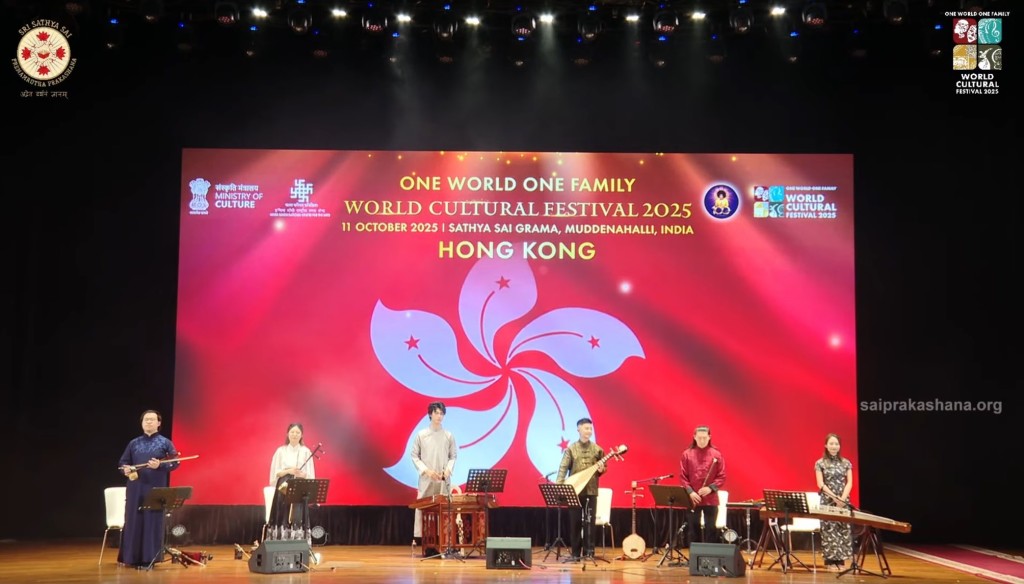
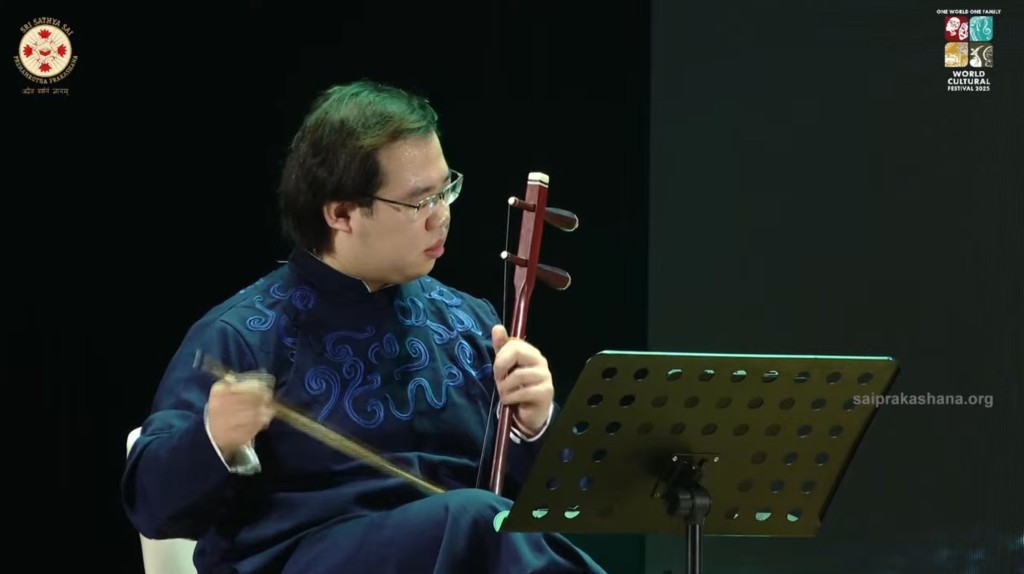
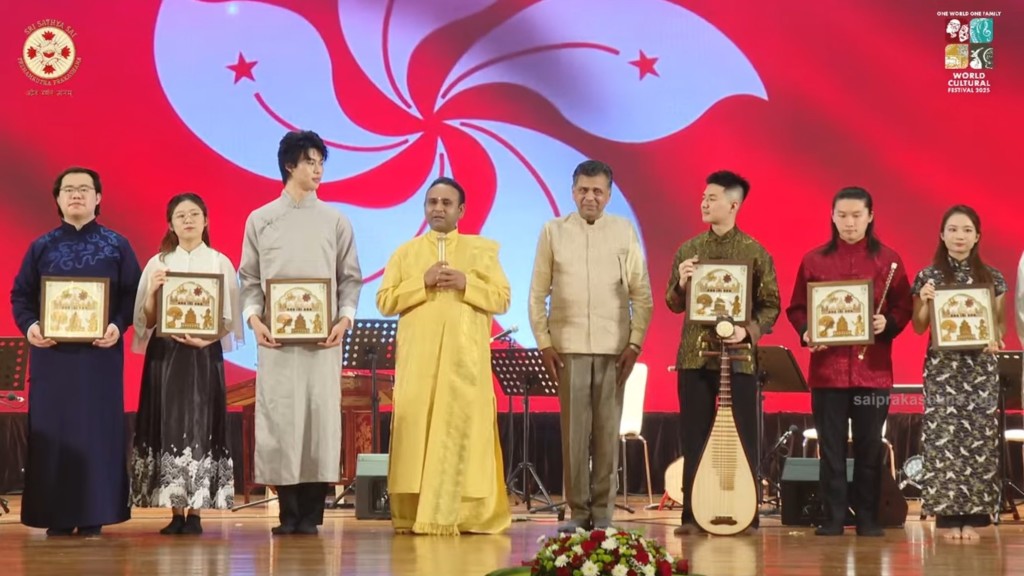
Third-year student Kaden Wu Ga-shing, who plays the erhu and banhu, recalls a music festival in India where HKAPA students represented Hong Kong on a global stage.
“We performed after musicians from Finland and Switzerland. The crowd really embraced our Cantonese music. It made me realise how powerful Chinese music can be — even abroad.”
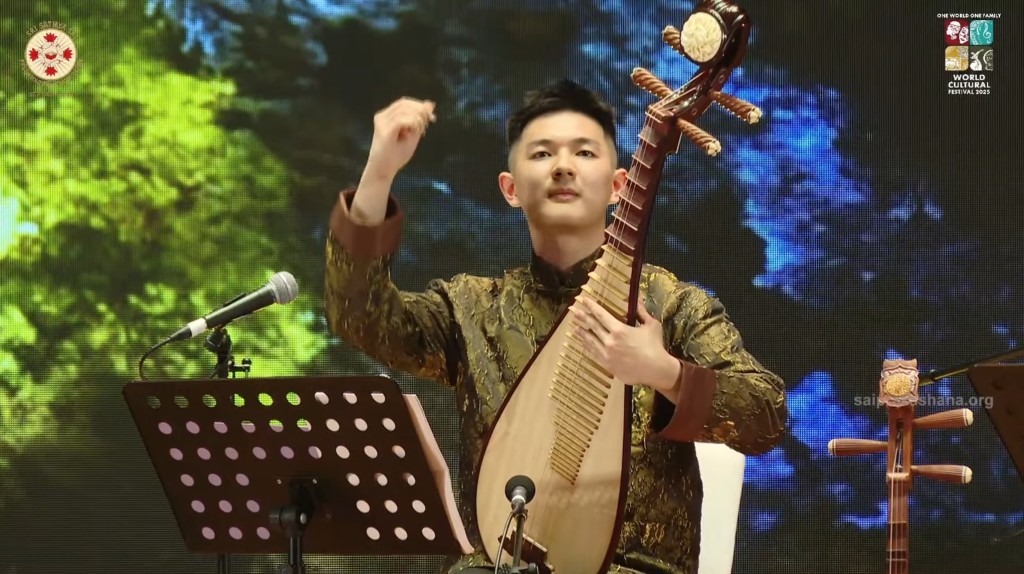
For second-year student Nicholas Chan Yi-lik, a pipa player, these exchanges aren’t just about performance.
“You meet artists from 16 different countries. There’s no language barrier in music — you just connect emotionally,” he says.
These experiences also shape the curriculum. Students are encouraged to explore roles as conductors, composers, and organizers during overseas trips, developing leadership skills alongside musical growth.
The man behind the music
Driving many of these initiatives is Kenny Koo Sing-fai, former chief of Hutchison Telecom, a long-time patron of the department. Being a huqin player himself, Koo has provided funding, mentorship, and even helped organize major events.
“I love Chinese music. If I can help young people gain more exposure and confidence through performance and exchange, I’m happy to do that,” he says.
Koo was instrumental in launching the Jiangnan Summit, and continues to fund scholarships and overseas opportunities for students. He sees his support as part of a broader mission to strengthen Hong Kong’s position as a cultural exchange hub in Asia.
“The Academy has a role to play in shaping the future of Hong Kong’s arts scene,” he says. “We need to preserve our traditions, but also make them relevant for the next generation.”
A professional home for future artists
The Chinese Music Department is also laying the groundwork for long-term development. Plans are underway for a doctoral program in Chinese music — a rare offering even among top international conservatories.
Faculty and alumni frequently collaborate with professional orchestras, and outreach efforts with primary and secondary schools are helping cultivate young talent early.
“Half of the Hong Kong Chinese Orchestra are our graduates,” said Sandoval. “We’re building a sustainable pipeline, from junior levels all the way to professional careers.”
For current students, the impact is personal and practical. Wu reflects on how his studies have broadened his horizons.
“Before I came here, I focused only on playing. Now, I’ve learned about presentation, teamwork, and the cultural context of our music.”
Chan agrees, noting the smaller class sizes and mentorship as key advantages.
“Teachers know us well. We’re not just learning to perform — we’re learning how to manage our own paths.”
As applications open for the new academic year, the department is hoping to attract even more talent — from Hong Kong and beyond.
“If you’re serious about Chinese music,” says Sandoval, “this is the place to be. We provide not just training, but the network and opportunities to succeed.”
As the notes of tradition meet the rhythm of innovation, HKAPA’s Chinese Music Department is composing not just music — but the future sound of Hong Kong.
marco.lam@singtaonewscorp.com