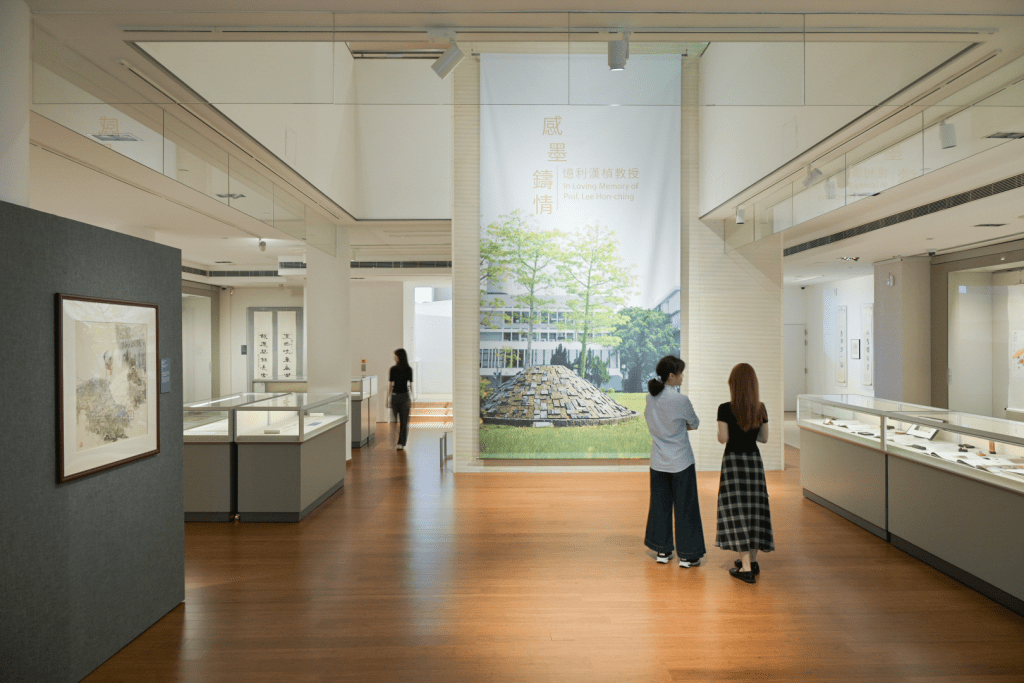
An exhibition currently under way at The City University of Hong Kong offers insights into Central African art inspired by the spiritual world.
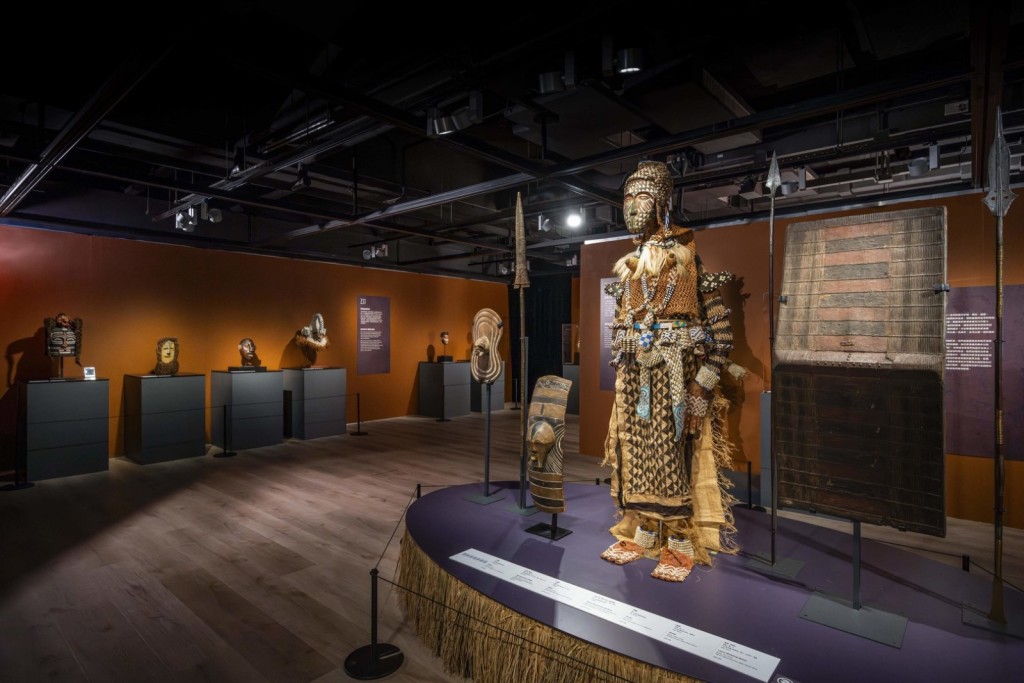
Titled “Central African Art – Invocation of an Unseen World,” the exhibition at CityU’s Indra and Harry Banga Gallery has nearly 200 artifacts from the 19th to the early 20th centuries on show. This relatively short time span reflects both the historical neglect of Central African art as well as the impact of colonialism on African cultures.
Integral to social and ritual life, the three treasures of Central African art – sculptures, masks and weapons – often convey symbolic meanings and spiritual powers. The exhibited pieces are not merely beautiful objects, but also possess a clear function in the “unseen world.”
The exhibition comprises three main sections, namely “Ritual Sculpture – Invocation,” “Masks – Transfiguration,” and “Weapons – Social and Symbolic Action,” as well as a section on “Geographical Zones.”
People in Central Africa believe that the spiritual realm is a primary source of knowledge. Ancestors provided guidance in times of need, and oracles were regularly consulted ahead of important undertakings. The established means to maintain a connection with ancestors was through ritual sculptures.
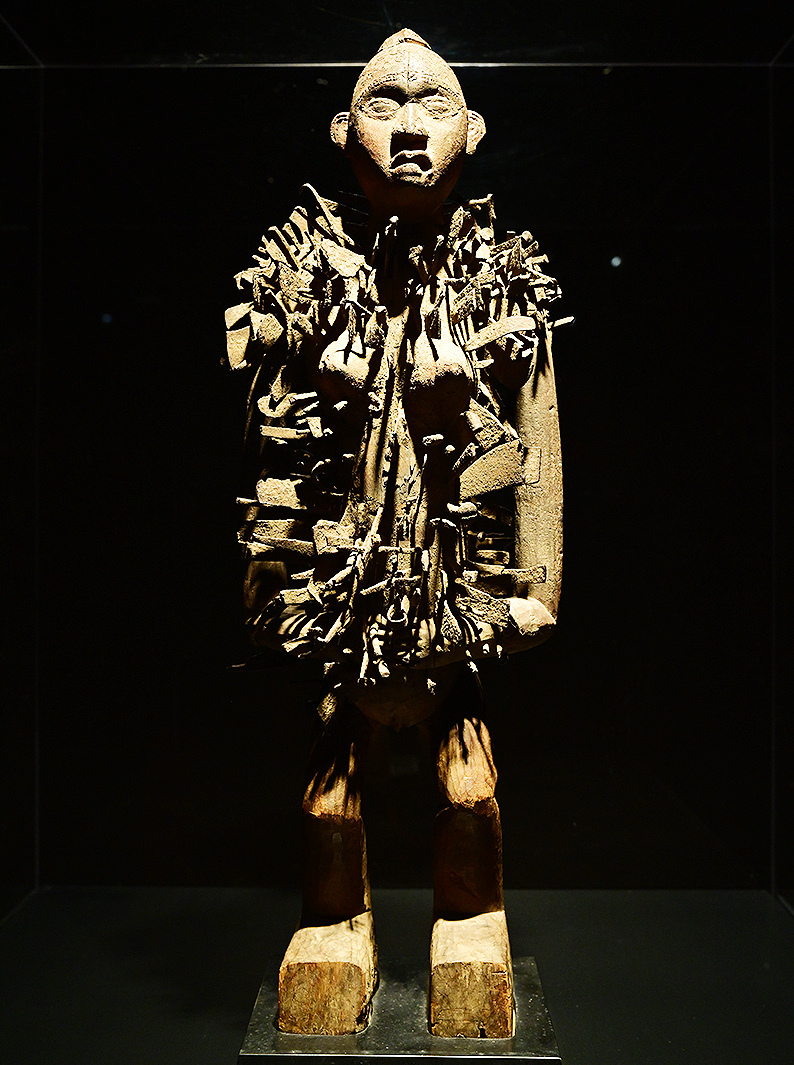
One sculpture, “Female Figure with Iron Decoration,” vividly embodies the cultural essence of Central Africa – praying to and conversing with ancestors, the natural world and the gods. Every metal object embedded in this wooden female sculpture represents a solemn prayer, elevating the piece into a cultural carrier for conveying the hopes and supplications of countless people.
the sculpture Female Figure with Iron Decoration (CityU)
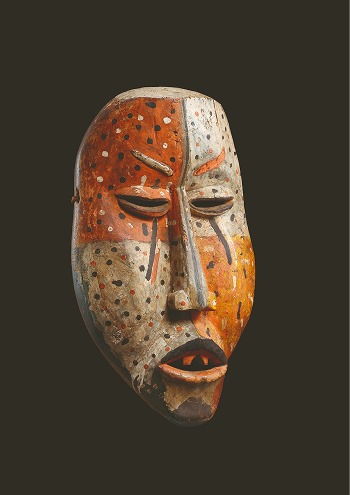
When wearing masks, people would become the embodiment of the character, role, or spirit the mask represents during ceremonies. Zoomorphic masks were worn to embody specific animal traits, whereas anthropomorphic masks represented heroes, ancestors or deities.
A large polychrome male mask (CityU)
Masked performances for significant life stages include specific movements or dances according to their roles. Visitors can experience the performance in the interactive multimedia platform “Dancing Masks,” which allows them to enjoy the rhythm of African dance while feeling the movements being “guided” by the mysterious masks.
Frequent warfare was a distinctive characteristic of precolonial Central Africa. The diverse array of weapons reflected the societal variety and different lifestyles of the time. Hunter-gatherers favored bows, arrows, and large spears, while agrarian groups adapted items used for farming, carving, and tool-making to combat.
Through the “Weapons in Motion” new media installation, visitors can view information about the different weapons by placing them on a sensor area. Additionally, they can engage in “A Warrior Play,” mimicking the martial arts of a Zande warrior king.
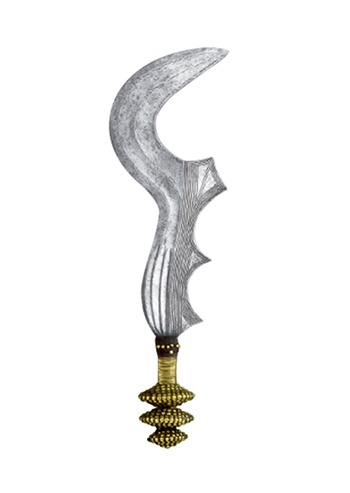
A sickle (CityU)
The exhibition is free and runs until September 28. Members of the public can make appointments online or register on-site to visit.
(Helen Zhong)