Read More




(Video) Girl slapped at Kwun Tong’s apm mall, two women arrested
26-08-2026 19:39 HKT
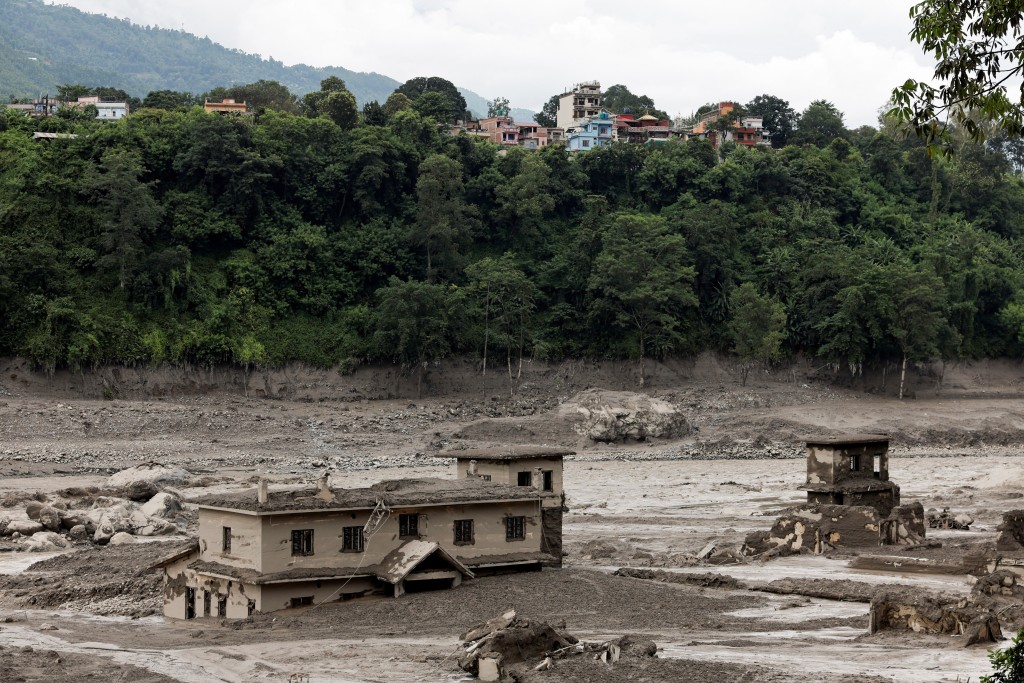
Rescue teams scoured devastated zones Thursday for more than 1,300 people missing a day after flash floods and landslides along the Nepal-Tibet border killed at least 273, sweeping away entire villages.
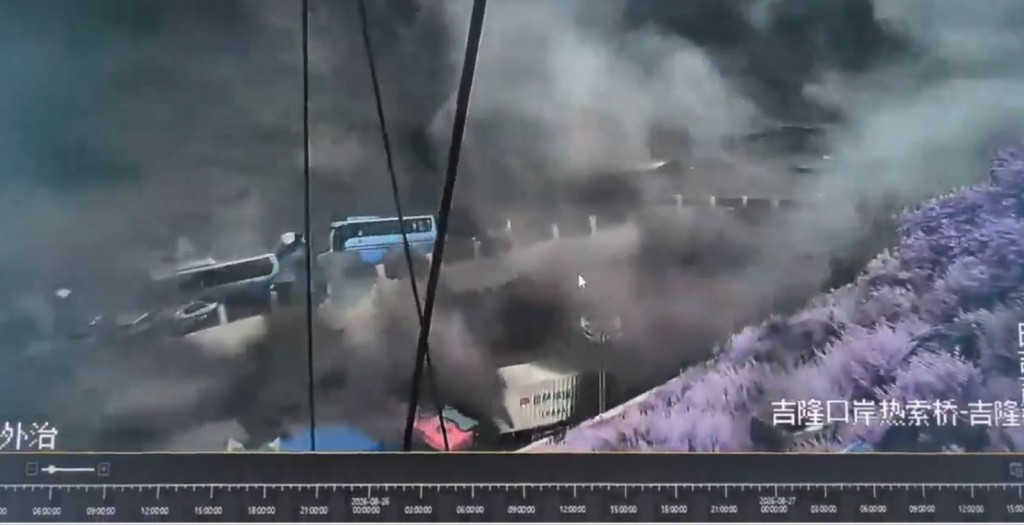
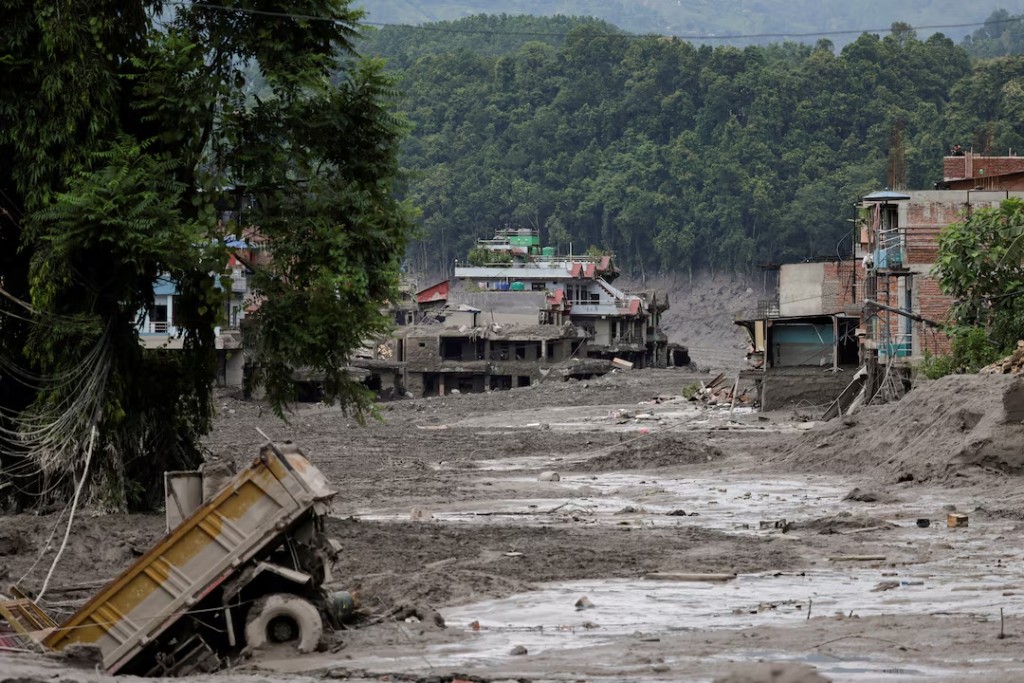
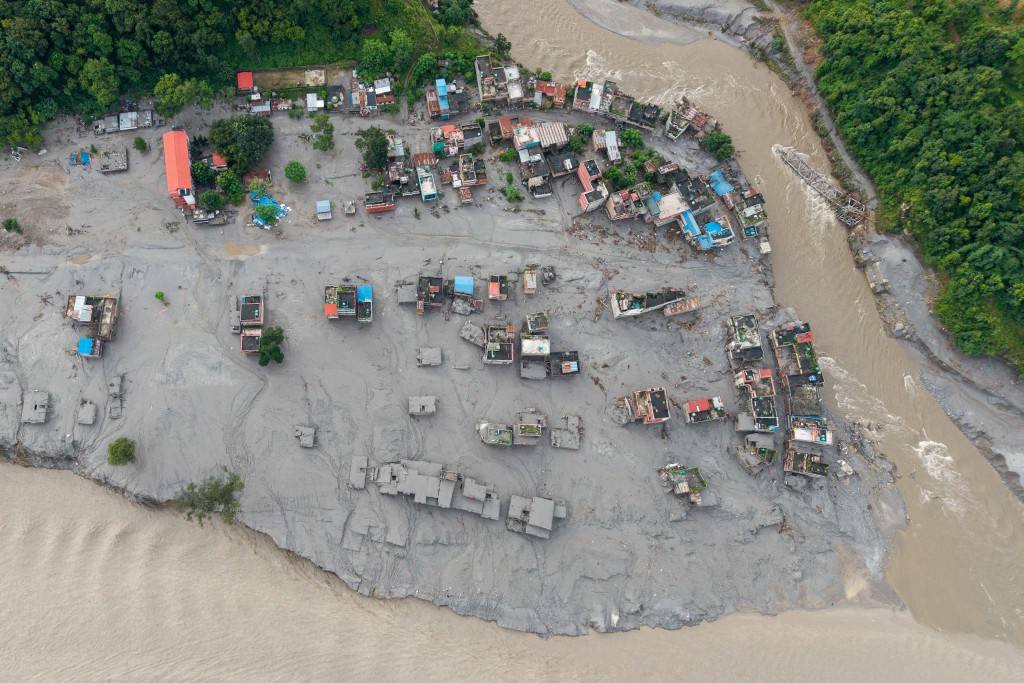
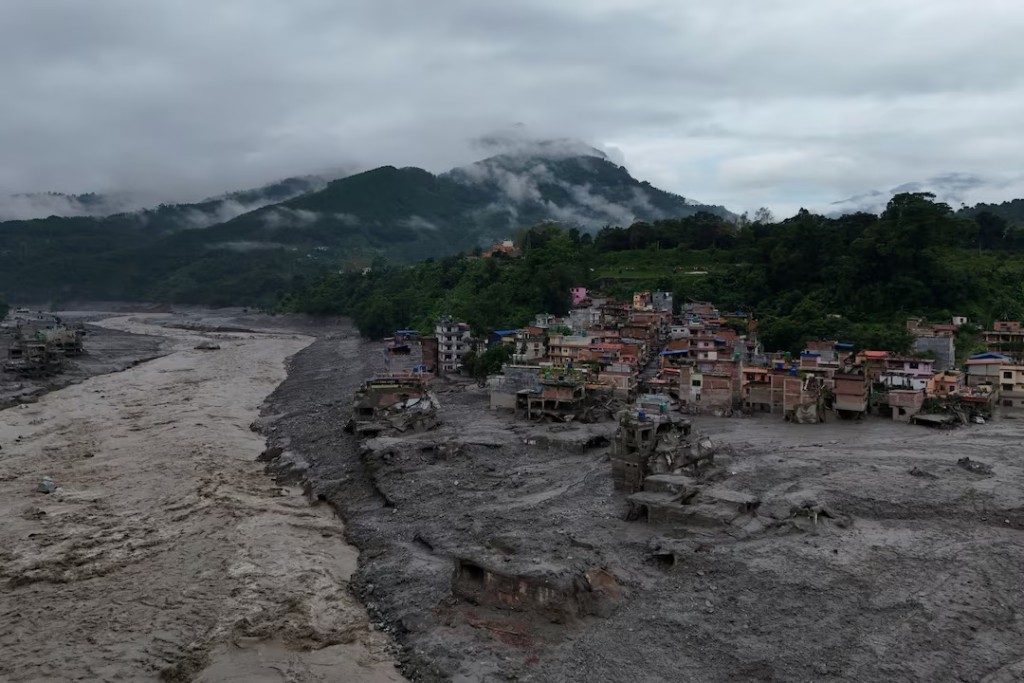
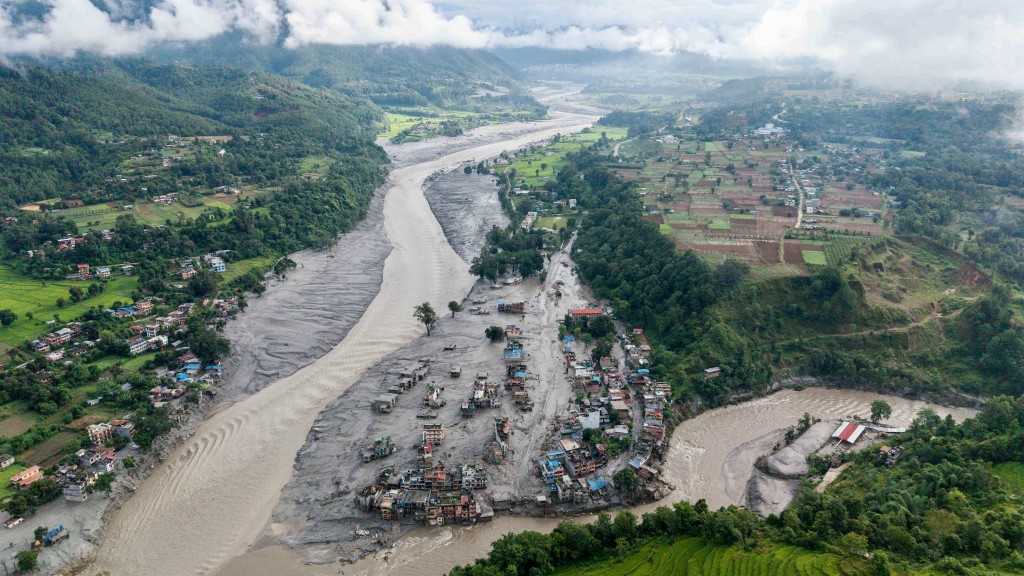
Homes were engulfed and vehicles tossed around by the tsunami-like rumble of water and mud that struck villages and towns on Wednesday morning on the path of two rivers, Bhote Koshi and Trishuli.
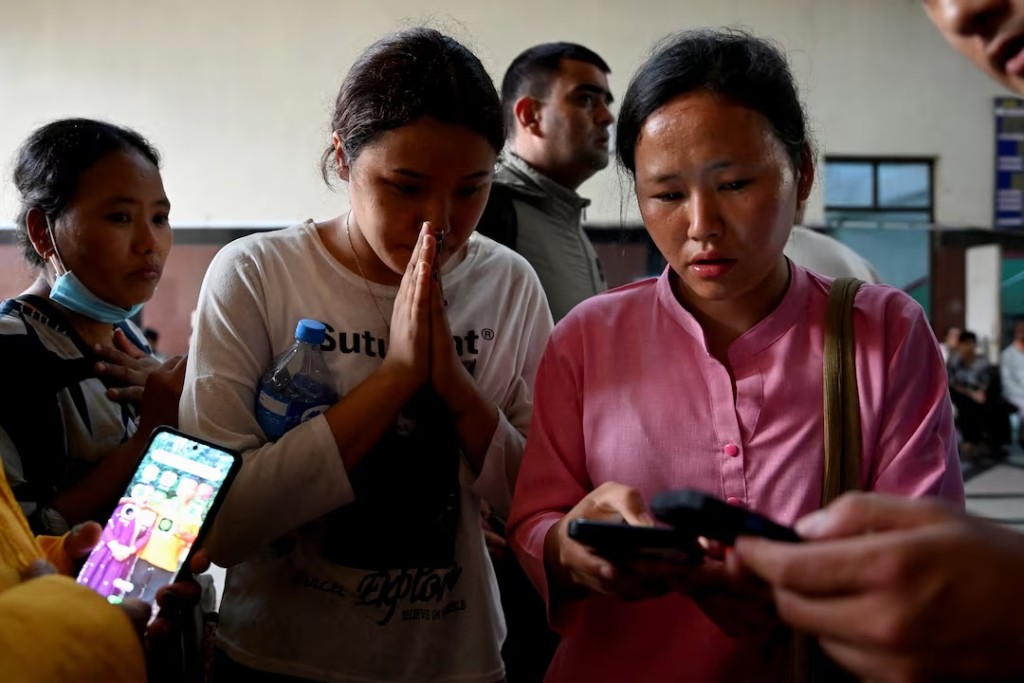
Many of the missing are foreign tourists, including scores of Hindu pilgrims to Tibet's sacred snow-capped Mount Kailash.
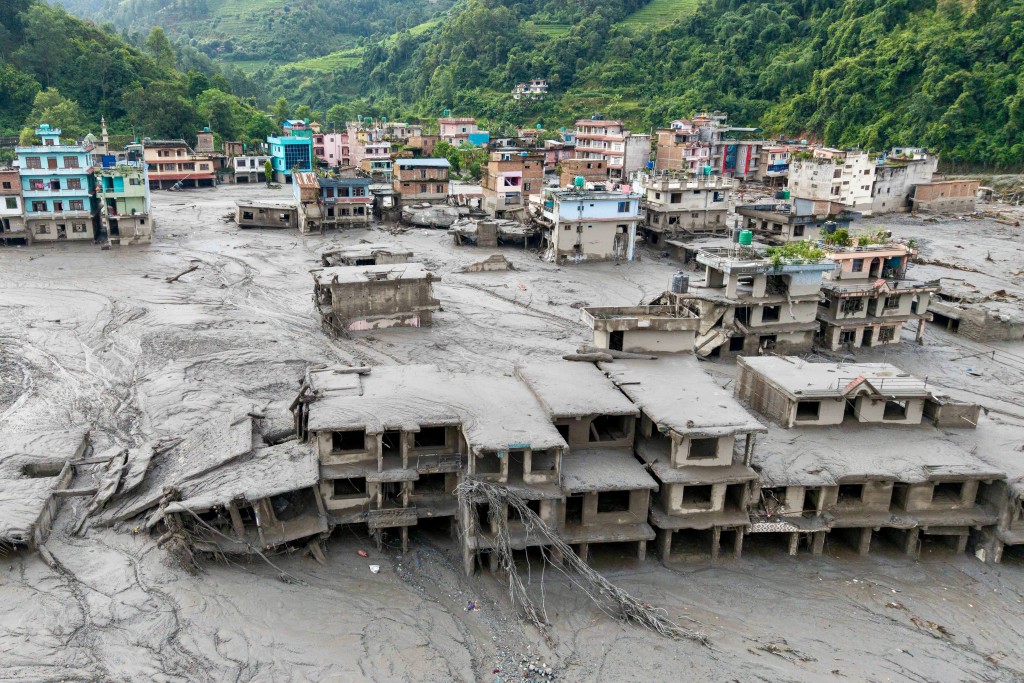
According to the US Geological Survey, the disaster was caused by a glacial collapse that sent forth an overwhelming flow of icy debris.
Emergency teams were racing to evacuate survivors from affected zones, fearing new flash floods.
Nepali soldiers used sniffer dogs to search for bodies buried under thick grey sludge.
"Everything is finished," Omkar Joshi, 35, a Nepali customs agent rescued from a hilltop in the border town of Timure, told AFP.
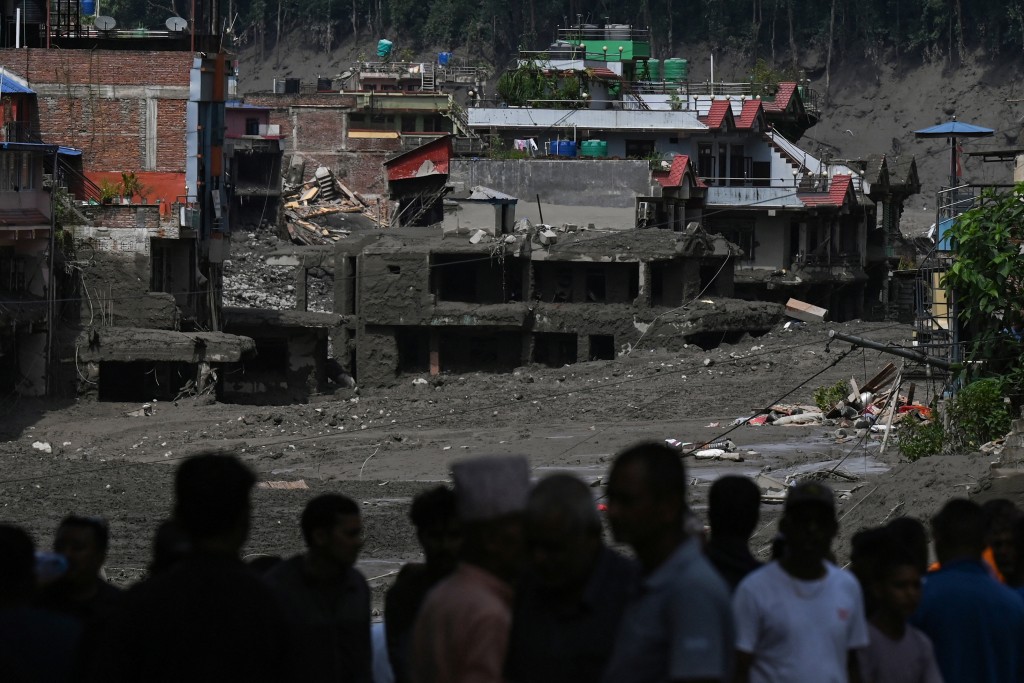
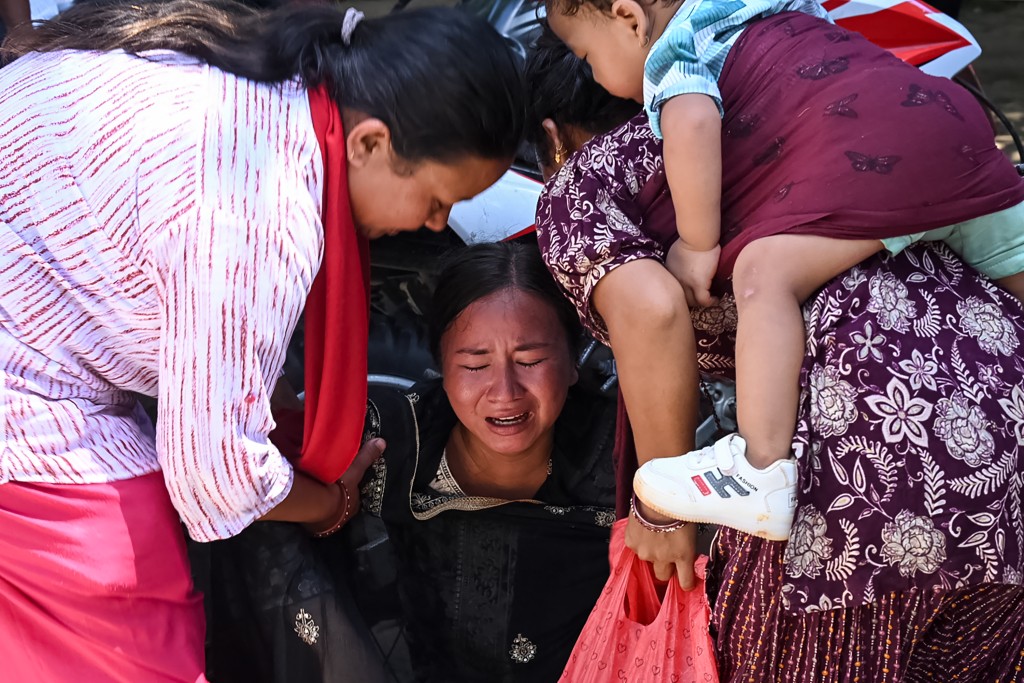
"It is a giant graveyard. All that is left are sand and pebbles, soaked red by human blood."
Nepali police said they had recovered 270 bodies.
Another 823 people, including 517 foreign tourists, were out of contact in the country. Beijing says 100 Chinese citizens are missing in Nepal.
In China, state media said the "mudslide disaster" at the Gyirong Port in Tibet killed three people, while 558 people, including 260 foreigners, are missing.
Chinese Premier Li Qiang visited the area on Thursday, state media said, to oversee "emergency rescue and relief work, and to visit rescue workers and affected people".
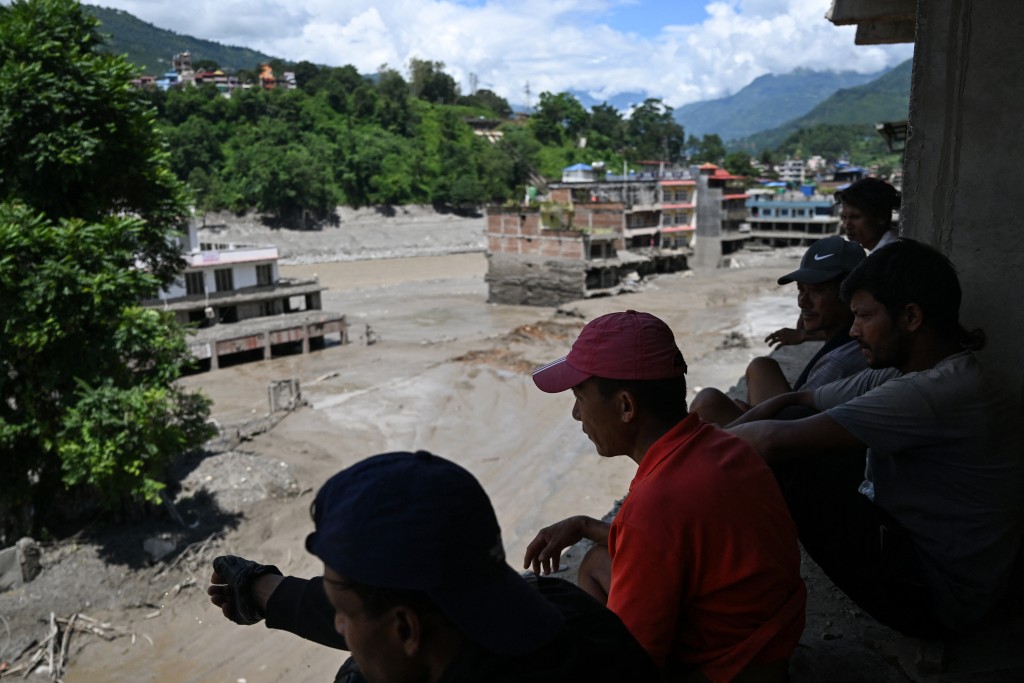
In Nepal, rescuers waded through mud and sludge to look for survivors after floodwaters buried the lower floors of multi-storey buildings.
Prime Minister Balendra Shah, who urged the Himalyan nation to "stand together" hours after the disaster, visited some of the hardest-hit areas on Thursday.
Shah told local authorities to "provide immediate relief to displaced families" and to open blocked roads, his office said in a statement.
The foreigners out of contact included Indians and others from Australia, Britain, Malaysia, the Netherlands, Portugal, South Africa, South Korea and the United States, Nepal's tourism board said.
The sudden rush of mud and debris was "like an inland tsunami", travelling nearly 170 kilometres (100 miles) south into Nepal, said environmental historian Ruth Gamble, of Australia's La Trobe University.
Rasuwa, in the north of Nepal, was the first district to be affected, but deaths have been reported as far south as Chitwan in the south, on the border with India.
Buddhist spiritual leader the Dalai Lama, who lives in exile in India, said he would "pray for all those who have lost their lives".
Chinese government officials in Tibet mobilised nearly 800 emergency workers, as well as sniffer dogs and speed boats to help the rescue efforts, official news agency Xinhua said.
Promises of aid and assistance came in soon after reports of the scale of the disaster.
The International Federation of Red Cross and Red Crescent Societies said it was dispatching emergency supplies including blankets, first aid kits, stretchers and body bags.
The US Geological Survey said the flood was sparked by a glacial collapse, that caused seismic activity and the "catastrophic" downstream impacts in Nepal and Tibet.
"This event was initially reported as a magnitude 4.4 earthquake," it said, but added that the seismic recordings were analysed and found instead to be a "glacial collapse and debris flow".
Climate change is causing glaciers to melt worldwide, increasing the risks of glacial lake floods and glacial collapses.
Fears of potential further floods remain, with water trapped by the immense piles of debris blocking the valley.
"With a blockage still lodged upstream on the Nepal-China border river, authorities warn a second flood may occur," said Qianggong Zhang, head of climate and environmental risks at the Kathmandu-based International Centre for Integrated Mountain Development.
Li Qipu, a member of China's paramilitary People's Armed Police, cited "the instability of a reservoir lake upstream" and "the narrow mountain road" as elements complicating rescue efforts.
Scores of Hindu devotees from across the world are among the hundreds missing on the border, Indian spiritual leader Sadhguru said Thursday.
They had been returning from a holy pilgrimage to Mount Kailash, on the Chinese side of the frontier, when they were caught in the floods at an immigration post.
"The entire group was there in the building," Sadhguru said in a video message to his millions of followers, weeping as he spoke from Tibet, with the anguished wails of other pilgrims heard in the background.
"This is a terrible and extraordinary event."
(AFP)