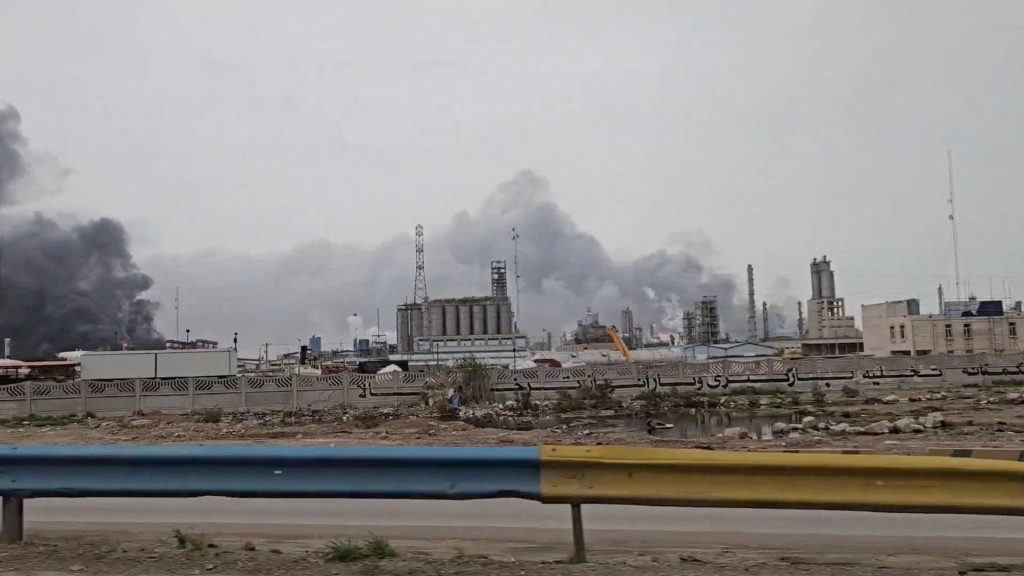
Top aides have privately made the case to President Trump in recent days that Iran's power-generating facilities and bridges are legitimate military targets because destroying them could cripple the country's missile and nuclear programs, The Wall Street Journal reported.
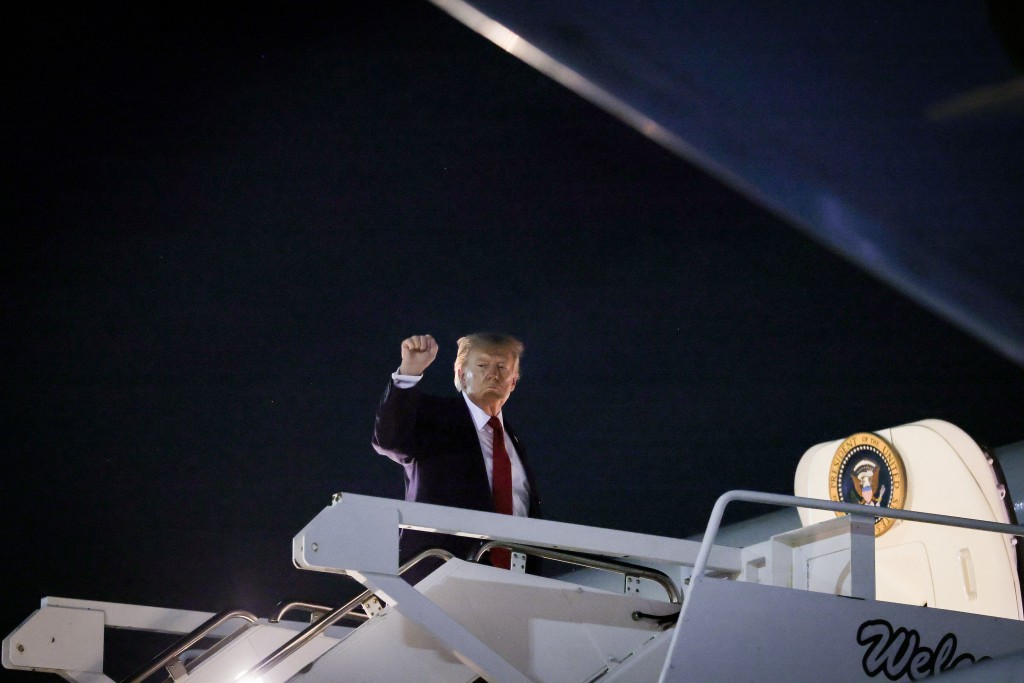
Trump embraced the rationale, sharply questioned by legal experts and human-rights groups, in a nationwide address when he vowed to bomb Iran "back to the stone ages." On Saturday, as an urgent rescue mission was under way to find a missing US aviator whose aircraft was shot down in Iran, the president showed no signs of backing down.
"Remember when I gave Iran ten days to MAKE A DEAL or OPEN UP THE HORMUZ STRAIT," he posted on Truth Social. "Time is running out—48 hours before all Hell will reign down on them."
The US on Thursday struck an Iranian bridge connecting Tehran to the city of Karaj, with American officials insisting the structure could be used to transport missiles, drones and other military material. At least 13 people were killed in the attack, according to Iranian state media.
Trump signaled more severe attacks are coming that could affect the lives of Iran's 93 million people. "Our Military," he wrote, "hasn't even started destroying what's left in Iran. Bridges next, then Electric Power Plants!"
Among those who have briefed the president on the legal rationale to hit civilian targets is Defense Secretary Pete Hegseth, who advised that roadways could be struck because Iran's military could use them to move missiles and drone materials. A White House official added that electric plants are legitimate targets because destroying them could foment civil unrest, complicating Tehran's path to a nuclear device.
However, current and former military officials cautioned that it is not lawful to strike an adversary's infrastructure merely to pressure the foe to begin negotiations or send political signals. Legal experts said the legality of such strikes must be based on circumstances related to each military objective and civilian considerations.
When asked to comment, Pentagon spokesman Sean Parnell said: "It is the duty of the War Department to ensure that the commander-in-chief has every possible military option at his disposal."