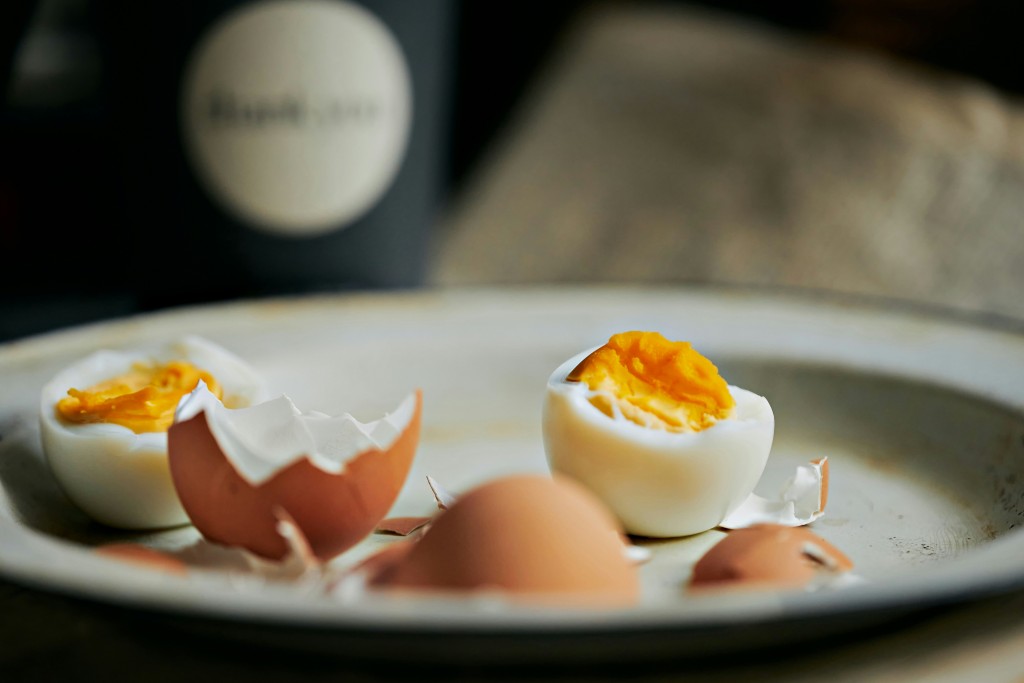
Boiled eggs are a popular healthy choice for many, but how long can they actually be stored? A nutritionist debunks common egg storage myths, warning that once boiled eggs are peeled, their surface becomes highly susceptible to bacterial growth and must be consumed the same day.
According to Japanese media Yoga Journal, many people think boiled eggs can be kept for a long time. However, whether they are stored with or without the shell significantly affects their shelf life. Nutritionist Hiroka Tanaka breaks down the storage guidelines for boiled eggs:
Storage Times for Shell-On vs. Peeled Boiled Eggs
- Shell-On Boiled Eggs:
After boiling, if the shell remains intact and the eggs are refrigerated (below 10°C), they can be safely stored for about 3 to 4 days. Storing with the shell helps prevent moisture loss and blocks bacterial contamination. - Peeled Boiled Eggs:
Removing the shell significantly increases the egg's surface exposure to air, making it easier for bacteria to attach. Additionally, the moist surface of peeled eggs creates an ideal environment for bacterial growth. Considering the varying hygiene conditions in household refrigerators, for safety reasons, it is strongly recommended that peeled boiled eggs be consumed on the same day they are peeled—do not keep them overnight.
2 Key Rules for Safe Boiled Egg Storage
Tanaka highlights two essential points when storing boiled eggs:
- Must be refrigerated (below 10°C): Even unpeeled boiled eggs must be refrigerated after cooking. The heating process destroys the eggshell's natural protective barrier, making it easier for bacteria to multiply compared to raw eggs. Always wait until the boiled eggs have completely cooled and drained of excess moisture before placing them in the fridge. If left at room temperature (above 25°C), bacteria will multiply rapidly.
- Cracked shells must be eaten quickly: If the shell has cracks, bacteria can easily enter through the crevices. After boiling, carefully inspect the eggs. If any cracks are found, it's best to consume them the same day or by the next day at the latest.
Do Raw Eggs Last Longer Than Boiled Eggs?
Generally, raw eggs with intact shells can last about two weeks, while commercially boiled eggs typically last only about one week. Eggs primarily absorb oxygen and expel carbon dioxide through pores on the shell. When eggs are cooked, these pores lose their function, which is precisely why boiled eggs spoil faster.
Is It More Hygienic Not to Wash Eggs?
Many people habitually wash eggs with water immediately after buying them, thinking it's more hygienic, but this is a mistake. The eggshell surface has a natural protective film (cuticle) that effectively blocks bacterial invasion. Washing with water or vigorous rubbing removes this protective layer, making it easier for bacteria to penetrate the shell.
Most commercially packaged eggs sold in supermarkets have already been professionally washed. For these, putting them directly into the fridge without washing is safer. For eggs purchased from farms or wet markets that haven't been washed, if there is visible dirt on the surface, it's recommended to gently wipe with a dry cloth or rinse with water just before cooking.
Source: Yoga Journal (Japan)