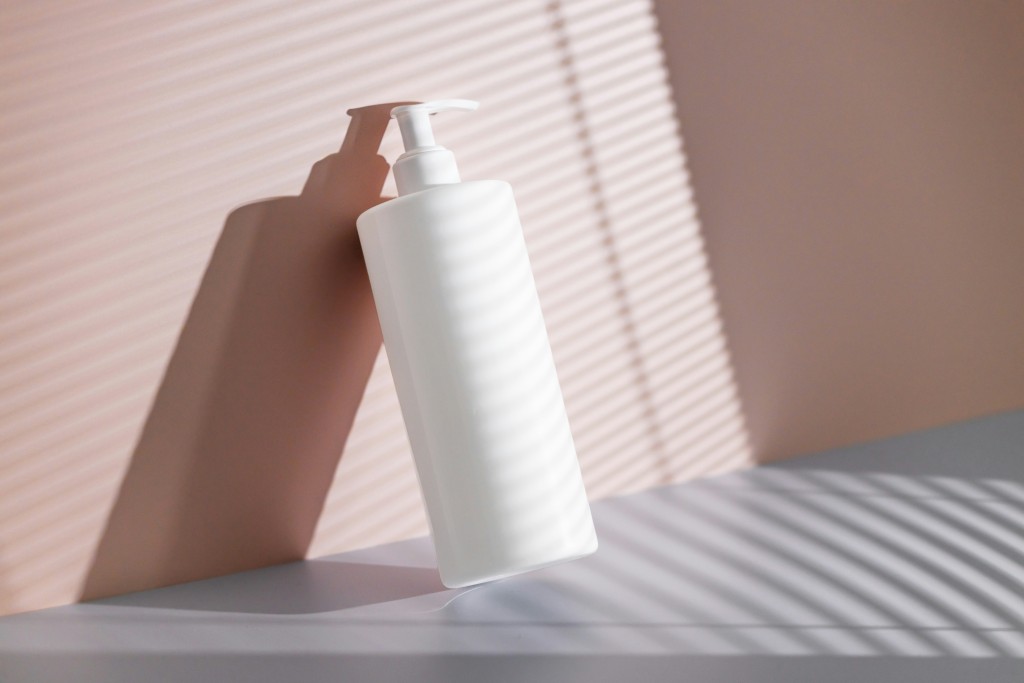
Bought a shampoo that doesn't work for you and don't want to throw it away? A hairstylist shares 3 ways to use leftover shampoo for household cleaning. Adding water and wiping your TV with it can actually help prevent static electricity and dust buildup—saving money and being eco-friendly.
Wiping Your TV with Water and Shampoo Can Prevent Static and Dust
According to Japanese media grapee, Mitsuru Okada, a hairstylist with 20 years of experience, points out that many people have bought shampoo that doesn't suit them—perhaps leaving hair dry and brittle, having an unpleasant scent, or not matching their scalp type. These shampoos often end up abandoned in a corner of the bathroom. "It's too expensive to throw away, but I don't know what to do with it"—this is a common dilemma. In fact, shampoo is a very mild detergent, designed to gently cleanse the delicate proteins that make up hair. He shares 3 clever ways to repurpose leftover shampoo, making it both practical and waste-free:
3 Hidden Uses for Shampoo
- Cleaning the Bathroom, Sink, and Toilet
Shampoo effectively removes oil and grime from the scalp and hair, so it works just as well on sebum and black stains in bathtubs, sinks, and toilets. Simply apply a small amount to a sponge and gently scrub—it produces plenty of foam and leaves a pleasant scent, making cleaning easier. It also rinses off easily with water, leaving fixtures shiny and clean. - Washing Delicate Fabrics Like Wool and Silk
Human hair, wool, and silk are all made of the same type of protein. Therefore, shampoo is generally milder than regular laundry detergent and can gently clean delicate clothing without damaging the fibers. However, since there are many types of shampoo on the market, it's recommended to test a small, inconspicuous area of the garment before washing the entire piece. - Wiping TVs, Bookshelves, and Door Handles
The surfactants in shampoo help reduce static electricity. Try filling a basin with warm water, adding a few drops of shampoo, dipping a cloth in the solution, wringing it out, and wiping down surfaces that easily collect dust—like TVs, bookshelves, and door handles. This simple step not only makes it harder for dust to stick to electronics and furniture but also helps reduce the annoying static electricity in daily life.
Okada says that even leftover shampoo that doesn't suit your hair can be repurposed in many ways by making use of its gentle cleansing properties. However, he cautions that results may vary depending on the type of shampoo and the material being cleaned. When cleaning valuable clothing or furniture, it's strongly recommended to test on a small, inconspicuous area first.
Source: grapee