Think eating healthy automatically leads to weight loss? Not necessarily! A doctor has identified 6 common healthy foods that hide calorie traps. Without portion control, they can easily cause weight gain – even salmon and eggs made the list.
Doctor Reveals 6 Calorie Traps: Eggs and Salmon Included
Endocrinologist and metabolism specialist Dr. Tsai Ming-chieh wrote on Facebook that many people assume healthy foods can be eaten freely, only to find their weight increasing instead of decreasing. This is a common weight-loss trap. While these foods are nutrient-dense (packed with healthy fats, protein, fiber, and micronutrients), they also have high calorie density. He lists the following 6 healthy foods, advising everyone to eat them with confidence but strictly in moderation:
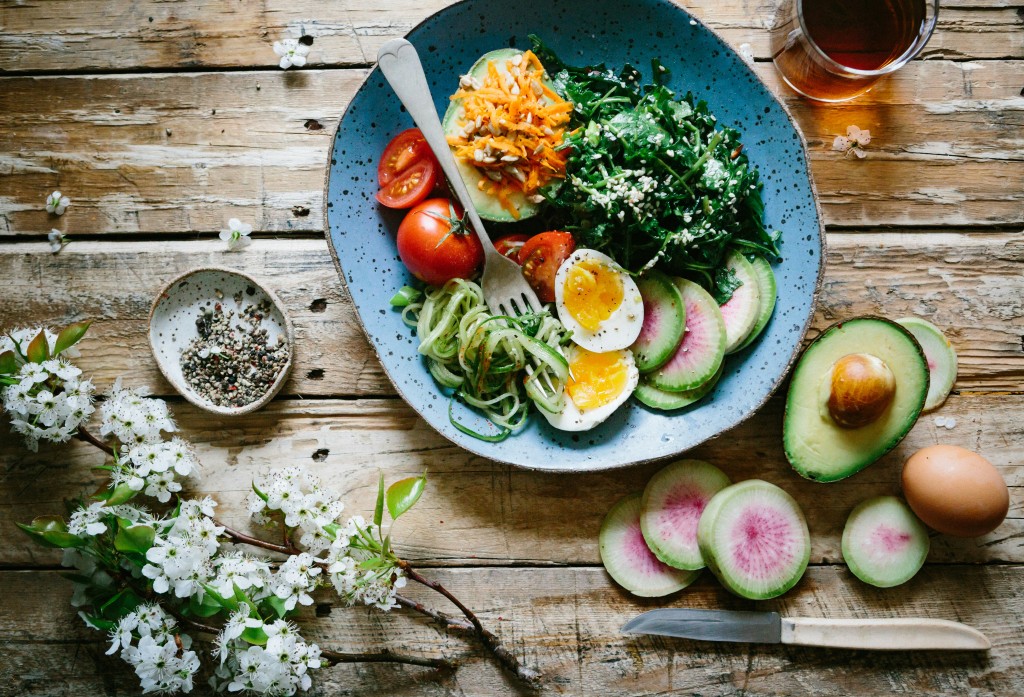
- Avocado: Rich in monounsaturated fats, beneficial for cardiovascular health. However, avocados are classified as a fat source. A medium-sized avocado has more calories than a bowl of white rice. Treat it as a cooking oil substitute, not as a fruit to be eaten in large quantities.
- Nuts: Cashews, walnuts, almonds, etc., are sources of minerals and Vitamin E. However, they are small, crunchy, and easy to overeat – often finishing half a can before you know it. A small handful (about half a palm) daily is enough.
- Dark Chocolate (85%+): Rich in flavonoids with antioxidant properties and mood-boosting effects. While some claim it helps burn fat, cocoa butter is still fat. Most people end up gaining weight, not losing it, from eating chocolate. Enjoy 1-2 small pieces daily as a treat; eating a whole bar adds significant calories.
- Whole Milk: Provides better satiety and contains vitamins A, D, and K. Dr. Tsai recommends whole milk or yogurt but cautions that dairy calories add up. Limit intake to 1-2 cups daily – don't drink it like water. You could also switch to low-fat milk to reduce fat intake.
- Salmon: Rich in Omega-3 fatty acids, beneficial for brain health and anti-inflammation. However, salmon is a high-fat fish, with significantly more calories than white fish like cod or snapper. While excellent, if you eat salmon, reduce oil in other dishes.
- Whole Eggs: The yolk contains the nutritional essence, including choline and lutein. The effect on cholesterol varies by individual. However, one egg has about 75 kcal, mostly concentrated in the yolk. Healthy adults can eat 1-2 eggs daily, but control intake if you've already had sufficient protein that meal.
Tsai emphasizes that the key to avoiding calorie traps is "substitution." These healthy foods should replace unhealthy processed items on your plate, not be added as extra snacks on top of a full meal. Any food, no matter how healthy, will convert to fat if calorie intake exceeds the body's needs.
Balanced Nutrition for Weight Loss: 7 Essential Nutrients
According to the Hong Kong Department of Health, seven types of nutrients play different roles in the body. A balanced diet ensures they work together for overall health:
- Carbohydrates: The body's main energy source, found in grains (rice, noodles), fruits, starchy vegetables, legumes, and dairy.
- Protein: Found in meat, fish, seafood, eggs, dairy, legumes, and soy products; essential for building, repairing, and maintaining healthy body tissues.
- Fat: Found in meat, fish, dairy, nuts, seeds, and oils; helps maintain body temperature in cold weather and protects internal organs.
- Vitamins: Found in various foods; promote bodily functions like maintaining skin/hair health, building bones, and releasing/using energy from food.
- Minerals: Regulate body functions including fluid balance, muscle contraction, and nerve signal transmission. Some minerals (like calcium) are structural elements of bones and teeth.
- Dietary Fiber: Helps stabilize blood sugar, promotes gut health, and prevents constipation.
- Water: Regulates body temperature, produces bodily fluids, transports nutrients/oxygen, and removes waste.
Sources: Endocrinologist Dr. Tsai Ming-chieh, Department of Health (Hong Kong)