Don't think only moldy wooden chopsticks are dangerous. A mainland health program warns that a certain type of chopstick can release "glass fibers," posing a hidden cancer risk. Beyond chopsticks, daily foods like oysters and drinks in glass bottles may also contain glass fibers, requiring extra attention.
A mainland health program I Am a Great Doctor recently posted on social media, pointing out that the chopsticks used for three meals a day may harbor a health hazard more hidden than microplastics and more dangerous than mold: "microglass." Three everyday items and foods may contain hidden glass fibers:
3 Items and Foods That May Contain Hidden "Glass Fibers"
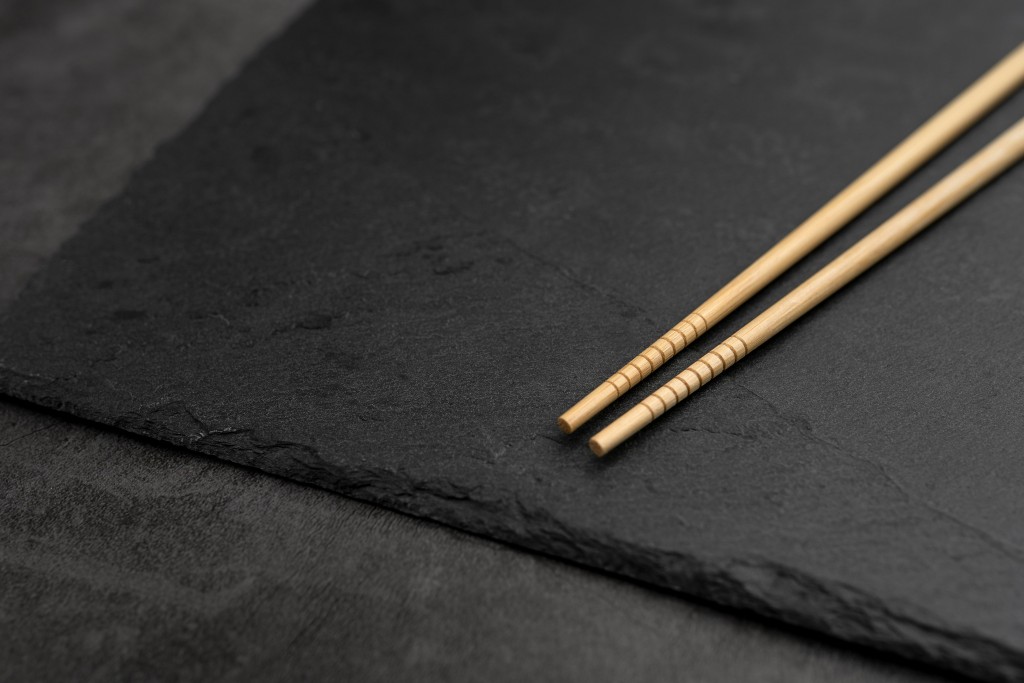
1. Alloy/Composite Chopsticks
Many people know that wooden chopsticks can develop mold over time, producing aflatoxins (a strong liver-damaging carcinogen). However, there's a danger more difficult to detect than mold – it doesn't turn black or have an odor, but it still harms the body.
Some chopsticks on the market, marketed as "wear-resistant, antibacterial, and non-deformable" alloy/composite chopsticks, have glass fibers added during production to increase hardness. These chopsticks are safe with normal use. However, when the surface shows wear, scratches, or aging cracks, the glass fibers encapsulated in the resin can become exposed and even break off into microscopic particles, entering the body with food.
The International Agency for Research on Cancer (IARC) classified glass fibers as a Group 2B carcinogen as early as 2017, meaning "possibly carcinogenic to humans, but with limited evidence." This classification primarily targets factory workers who experience long-term occupational inhalation of specific-sized glass fibers. In daily use, the dose and exposure route from swallowing tiny particles from chopsticks are completely different. The public need not overreact, but should remain vigilant.
2. Bivalve Shellfish
In 2024, researchers from two UK universities found, alongside large amounts of microplastics, glass fiber particles in bivalve shellfish (like mussels and oysters) from Chichester Harbour. Bivalves are filter feeders, ingesting and accumulating tiny particles from the water. Studies found thousands of particles per kilogram of mussels and over ten thousand per kilogram of oysters. These micro-particles could eventually enter the human body through the food chain.
3. Drinks in Glass Bottles
Research by the French food safety agency ANSES found that drinks in glass bottles (beer, water, wine, etc.) sometimes have higher microparticle contamination levels than plastic bottles. These microparticles may come from bottle cap liners, sealing rings, paint chipping from bottle neck decorations, or even microscopic glass fragments from the bottle itself wearing down. However, the research focus was primarily on contamination from these non-glass components.
4 Ways to Reduce Glass Fiber Intake Risk
Faced with ubiquitous microparticles, the article suggests the following 4 daily habits to minimize ingestion risk:
- Choose and Clean Chopsticks Carefully:
- Choose wisely: Prefer uncoated wooden chopsticks or pure stainless steel ones, as these materials do not contain glass fibers. If you must buy alloy chopsticks, choose reputable major brands to avoid inferior products that easily wear and shed particles. Also, discard chopsticks immediately if they become worn, splintered, cracked, or deformed by heat.
- Clean gently: Use a sponge or soft cloth to wash chopsticks. Never scrub vigorously with steel wool, which can scratch the surface and cause particle shedding. Also, avoid boiling alloy chopsticks for long periods or putting them in the oven, as this accelerates material aging.
- When Eating Seafood, Avoid the "High-Risk" Parts:
- When buying oysters or mussels, prioritize live ones, as those ingesting too many microparticles are typically less active. Before cooking, let them purge sand thoroughly and clean them well. It is also recommended to remove the gills and internal organs (viscera), as these are hotspots for microparticle accumulation. Removing them further reduces ingestion risk.
- Be Rational About Glass-Bottled Drinks:
- When opening bottles, be careful not to chip the rim, and absolutely never use your teeth to bite off the cap. With normal drinking, current scientific evidence does not suggest changing your habit of drinking from glass bottles.
- Eat High-Fiber Foods to Help with Elimination:
- Global research on various microparticles is ongoing, and there is no established, effective method for clearing or promoting excretion. Unlike asbestos, microglass particles may slowly decompose in the human physiological environment. If still concerned, eat more foods rich in dietary fiber, such as celery, leeks, oats, and dragon fruit, to promote intestinal motility. Also, drink plenty of water to maintain normal metabolism, leveraging the body's own defense and clearance mechanisms to minimize risk.