In recent years, Hong Kong has seen a surge in trends like "drinking oil for weight loss" and the "ketogenic diet." Many people eager to lose weight quickly blindly follow online fads, consuming a large spoonful of oil on an empty stomach every morning. Coconut oil, in particular, is hailed by many as a health "holy grail." However, is this extreme practice really healthy? Dr. Huang Shi-wei, Superintendent of Show Chwan Medical System and a surgeon, addresses 3 common myths about the "coconut oil wellness method," warning against harming your health in the pursuit of weight loss.
Coconut Oil is Actually a High-Calorie Saturated Fat
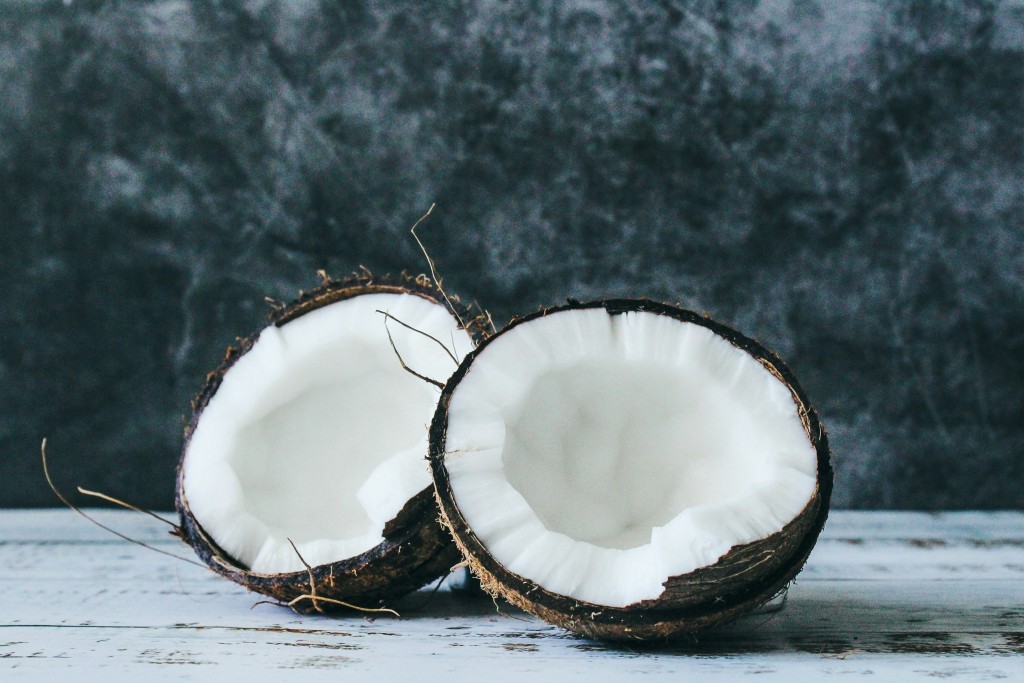
Many dieters consider coconut oil a "weight loss miracle," mistakenly believing it won't cause weight gain even if consumed in large amounts. Huang points out that this is a complete misconception. In fact, coconut oil contains over 90% saturated fat, placing it in the same nutritional category as lard and butter.
From a caloric standpoint, one tablespoon of coconut oil contains approximately 120 calories. If you blindly consume it daily as a health supplement, not only will you fail to lose fat, but you're highly likely to suffer from gastrointestinal discomfort and diarrhea due to excessive fat intake.
Can Oil Pulling Detoxify? Beware of Aspiration Pneumonia
The widely circulated "coconut oil pulling detox method" also lacks scientific basis. Doctors emphasize that the body's toxins are metabolized by the liver and kidneys, not "rinsed out" by oil in the mouth.
Current medical research only suggests that oil pulling offers slight benefits for optimizing oral microbiota, and its actual effect is even inferior to that of commercially available mouthwashes. More dangerously, if oil is accidentally inhaled into the trachea during oil pulling, it can trigger severe aspiration pneumonia. Therefore, the public should not blindly trust such folk remedies.
Keto Diet with Large Amounts of Coconut Oil Carries Risks
Regarding the online claim that "a ketogenic diet with plenty of coconut oil is the healthiest eating pattern," Huang explains that the ketogenic diet has specific medical applications and is definitely not suitable for everyone. If followed long-term without professional guidance, a high-saturated-fat dietary pattern can directly lead to dyslipidemia (abnormal blood lipids) and increase the metabolic burden on the kidneys. The potential risks should not be overlooked.
In contrast to the extreme "drinking oil" approach, some dieters adopt a completely "fat-free diet," believing that the less fat, the better. Huang explains that fat itself is not bad; choosing the wrong type or eating too much is what harms the body. Fat is an essential core nutrient, responsible for assisting the absorption of fat-soluble vitamins, forming cell membranes, and synthesizing hormones. Therefore, you cannot completely eliminate fat from your diet. The key lies in moderation and proper selection.
4 High-Risk Groups Should Avoid "Drinking Oil" for Health
Doctors specifically remind the following 4 groups to pay special attention to potential risks when considering "oil drinking" or "high-fat diets" and to avoid blindly trying them without professional advice:
- Those with high blood lipids or a history of cardiovascular disease.
- Those currently taking lipid-lowering medication.
- Those with gallbladder disease or fat malabsorption disorders.
- Elderly individuals with declining swallowing function, who are at higher risk of aspiration pneumonia when practicing oil pulling.
Source: Health 2.0