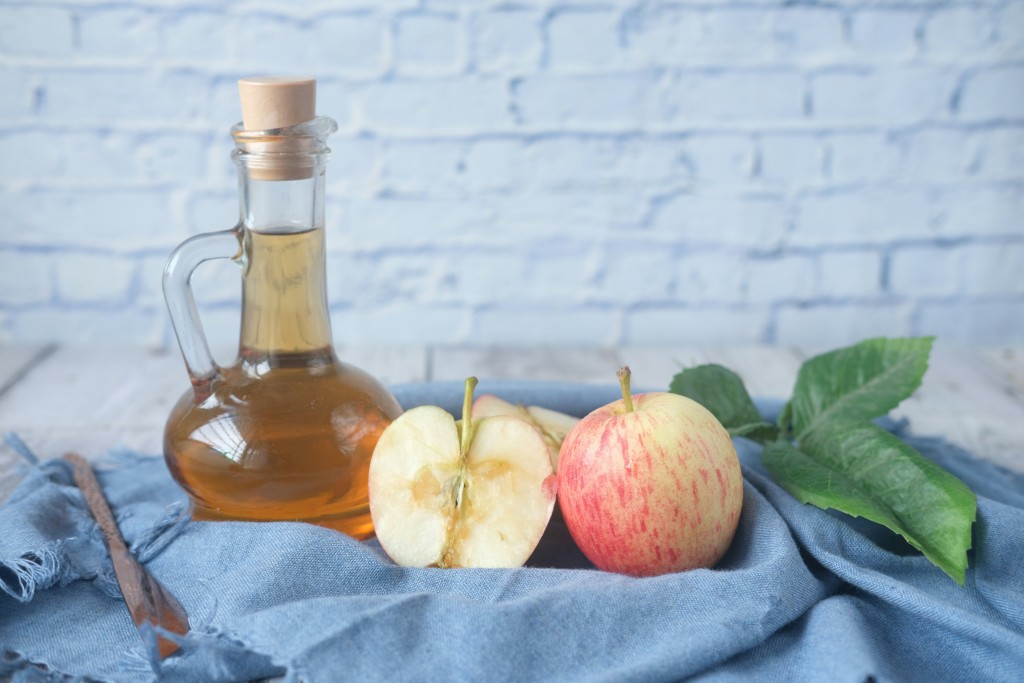
White vinegar isn't just for cooking or laundry. This humble pantry staple has 4 surprising hidden uses, including easily removing stubborn sticker residue without leaving a trace.
According to Taiwanese media ETtoday, white vinegar, commonly used in cooking, is often seen as just a minor kitchen helper for tenderizing ingredients, removing odors, or doing laundry. In fact, besides being natural, non-toxic, and free from chemical residue, white vinegar has many lesser-known practical applications. The report highlights 4 hidden uses for white vinegar:
1. Painlessly Remove Sticker Residue
Whether it's new toys, dishes, or stickers your kids have randomly stuck on walls or the fridge, removing them often leaves behind sticky black residue. Instead of using harsh chemical adhesive removers, simply dip a cotton swab in white vinegar and apply it to the residue for about 5 minutes. The acid will soften the adhesive, allowing you to wipe it off cleanly without leaving a trace. This works exceptionally well on glass, porcelain, and stainless steel. However, avoid using this on faux wood furniture or painted surfaces, as the acid may cause discoloration or bubbling.
2. Rust Removal and Polishing for Scissors and Tools
When kitchen scissors become stiff or develop brown rust, or when tools like screwdrivers rust, soak the rusty metal directly in plain white vinegar for a few hours. The vinegar's acid will react with the rust. After soaking, use a brush to gently scrub, and the rust will flake off, restoring the tool's sharpness and shine. Note: Soak for only a few hours to half a day. Do not soak for several days, as the acid will eventually corrode the good metal. Also, after drying the rust-free tool, immediately apply a thin layer of rust-preventative oil. Otherwise, it will rust faster when exposed to air.
3. Natural Descaling for Small Appliances
Kettles, coffee makers, or dishwashers used daily often develop a layer of white, hard limescale on their inner walls, which affects heating and can harbor bacteria. Simply mix white vinegar and water in a 1:4 ratio, pour it into the kettle, and bring it to a boil. Leave it overnight, then pour out the solution. The stubborn limescale will dissolve on its own – safe and effortless. Caution: The smell of heated vinegar is very pungent. After descaling, boil and discard clean water at least 2-3 times, otherwise your drinking water will have a sour taste. Also, some high-end Italian espresso machines have rubber seals; their manuals explicitly forbid using vinegar for descaling. Always check your appliance manual first.
4. Leather Care
When leather sofas, shoes, or bags lose their luster or show slight signs of mold, white vinegar can be a surprising ally in leather care. Mix white vinegar and olive oil in a 1:1 ratio. Dip a clean, soft cloth in a very small amount of the mixture and gently wipe the leather following its natural grain. This not only inhibits mold but also restores a gentle shine to the leather. Important: Since olive oil is a vegetable oil, it can degrade over time and attract insects. This method is only an emergency trick when no dedicated leather care product is available, and it is best suited for older, synthetic, or inexpensive leather. Always test the solution on an inconspicuous corner of the leather first to avoid discoloring or damaging expensive genuine leather.
Source: ETtoday (Taiwan)