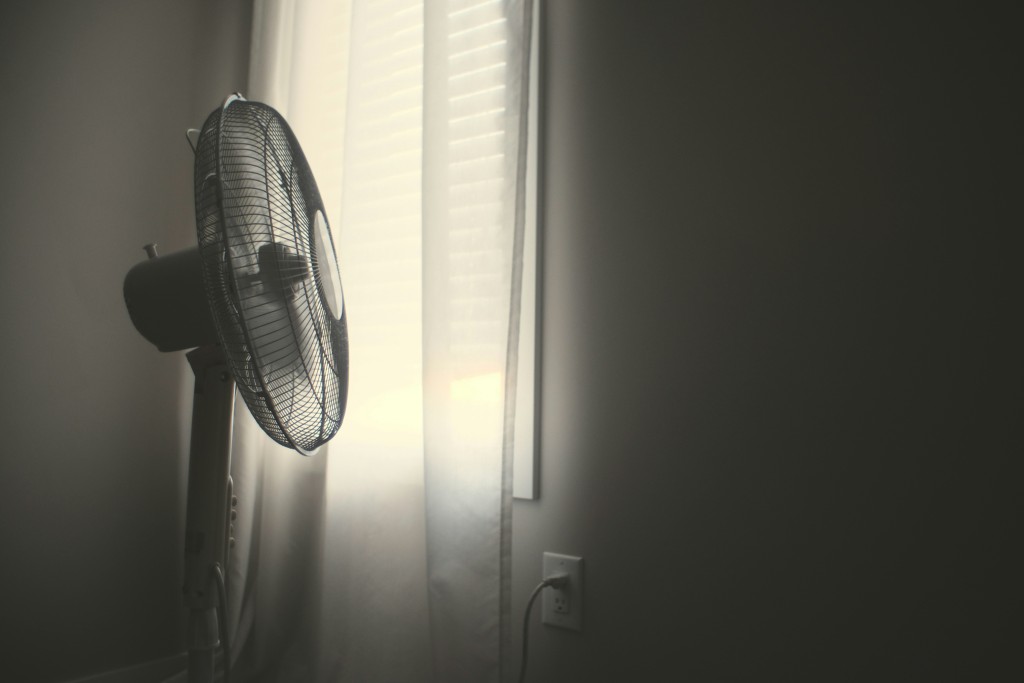
Hong Kong's summer weather is hot and humid. Many people turn on a fan immediately upon arriving home to cool down. In recent years, "bladeless fans," known for their safety design and stylish appearance, have become increasingly popular. However, they are generally more expensive. Are they really worth the investment compared to traditional bladed fans? What are the actual differences in daily use and maintenance? Sing Tao Headline, The Standard’s sister publication, has compiled purchasing and maintenance tips and invited Fortress Customer Service Manager Leung Pui-lok for analysis to help you make a smarter choice.
Which is better, bladeless or traditional fans?
1. Different Airflow Principles
Many assume all fans just blow air, but the design principles behind them are actually very different. Traditional bladed fans use spinning blades to push air, resulting in a more concentrated airflow with a distinct direct-blowing sensation. Bladeless fans, on the other hand, draw air in through an internal motor and amplify the airflow through a ring-shaped outlet, producing a smooth, uniform stream. Leung Pui-lok points out that the airflow from bladeless fans is more continuous and stable, reducing the choppiness often felt with bladed fans, making them more comfortable for prolonged use. This also explains why some users feel bladeless fans are not as powerful – it's simply a difference in how the airflow feels.
2. Cooling Advantages Vary
Different users have different needs. Bladed fans, with their direct airflow, can quickly carry away surface heat from the body – ideal for fast cooling when you first get home. Bladeless fans, focusing on stable airflow circulation, are better suited for extended use, such as during sleep or long working hours. Leung adds that for large spaces or stuffy air, bladed fans still have an advantage in providing immediate cooling. Bladeless fans are more suitable for continuous use to enhance overall comfort.
3. Safety and Quiet Operation
For families with children or pets, safety is often a key consideration. Traditional bladed fans, despite having protective grills, still present a risk of finger contact. Bladeless fans have no exposed rotating parts, providing greater peace of mind. Regarding noise levels, bladeless fans generally operate more smoothly. Leung notes that bladeless fans typically produce less vibration, making them more suitable for those who need quiet environments or are light sleepers.
4. Price and Design
Beyond functionality, design and price differ significantly. Bladed fans are primarily practical and can be purchased for a few hundred dollars. Bladeless fans follow a minimalist design path and typically start at several thousand dollars. Consumers shouldn't judge quality solely by price; choices should be based on usage habits and space requirements.
Weaker Airflow Often Means It's Dirty: Cleaning Tips to Maintain Wind Power and Extend Lifespan
Many notice that fan airflow weakens over time, or that it starts blowing a musty smell. This is often related to dust accumulation. Fans continuously draw in dust, hair, and even mold during operation, especially in Hong Kong's humid environment. This buildup not only affects airflow performance but can also impact indoor air quality. Furthermore, accumulated dust increases the motor's workload, potentially shortening the fan's lifespan. Regular cleaning is therefore very important. Different fan models require slightly different cleaning methods, but the key is "regular maintenance":
- Traditional Bladed Fans: Generally need to be disassembled (front grill and blades) and washed with a mild detergent, ensuring all parts are completely dry before reassembling.
- Bladeless Fans: Regularly wipe the outer casing with a dry or slightly damp cloth, and use a cotton swab to carefully clean hidden areas near the air outlet.
Leung suggests cleaning the fan every 2 to 4 weeks under normal conditions. This helps maintain airflow and extend the product's lifespan.
Beyond cleaning, the operating environment also affects fan performance. Placing the fan in a humid or greasy area will accelerate dust accumulation. Continuously using the highest speed setting can also increase stress on internal components. If you notice unusual noise or vibration during use, inspect the fan promptly to prevent further problems.