Many people have the habit of eating sushi with wasabi. Scientists have conducted a 25-year study suggesting that the pungent kick of wasabi may hold a key to fighting dementia.
Chronic inflammation in the body is a hidden driver of cancer and dementia. Japanese research has found that the wasabi component 6-MSITC can activate the intracellular transcription factor NRF2, comprehensively upgrading cellular defense capabilities with effects lasting over 24 hours. Experimental data shows that this component not only significantly improves working and episodic memory in adults over 60 but also enhances attention in middle-aged and older adults aged 45-69, and even leads to notable improvements in brain fog scores and cognitive speed in patients with chronic fatigue.
Breaking Down the Ingredients: Real Wasabi vs. Horseradish Paste
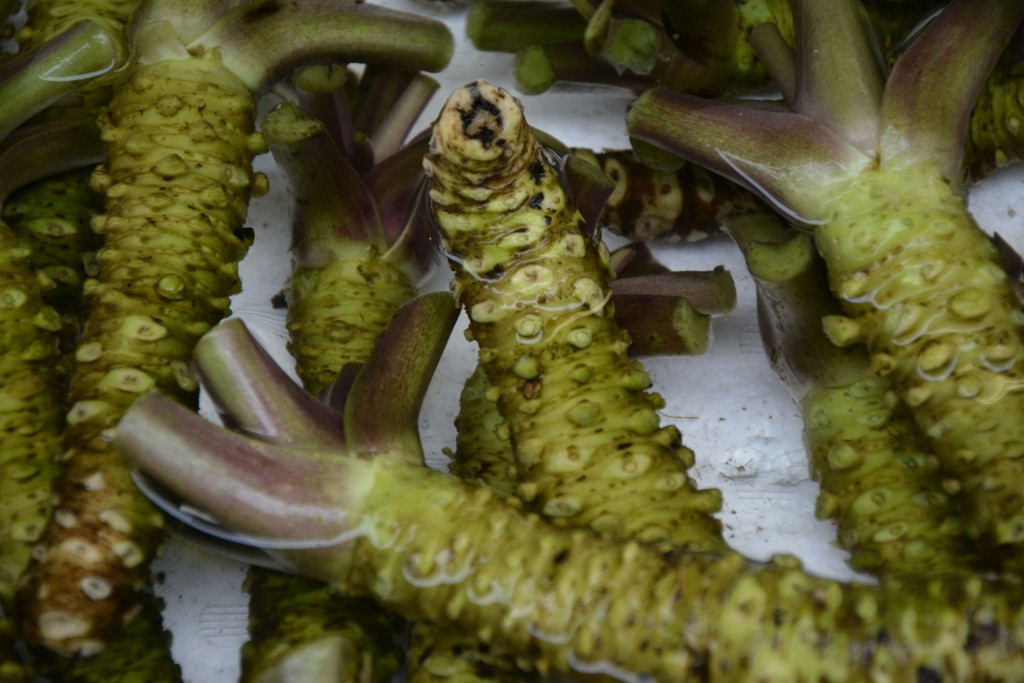
Nutritionist Tsang Kin-ming points out that real wasabi (Wasabia japonica) belongs to the Brassicaceae family and possesses a unique "glucosinolate-myrosinase" system. Literature shows that wasabi contains various isothiocyanates (ITCs), among which the primary component 6-MSITC is most frequently discussed for its potent anti-inflammatory, antioxidant, and neuroprotective effects. Importantly, the green paste found in standard supermarket tubes or at cheaper restaurants is typically made from horseradish and contains almost no 6-MSITC.
The study results indicate:
- Elderly Trial: A 12-week double-blind randomized controlled trial involving 72 participants aged 60-80 confirmed memory improvement.
- Middle-Aged and Older Adult Trial: An 8-week trial involving 50 participants aged 45-69 showed improvements in processing speed and attention.
- Limitation: The research on chronic fatigue and brain fog involved only 15 participants and lacked a placebo control group. Additionally, some randomized trials received manufacturer funding, so the evidence is currently positioned at an "early clinical stage."
How Much Wasabi Is Enough on Sushi?
Many people ask, "How many grams of wasabi on sushi are needed?" Tsang admits that an exact conversion is currently difficult. For reference, the study dosage: the memory study used 0.8 mg of 6-MSITC daily; the fatigue study used 4.8 to 9.6 mg. Doctors caution against consuming wasabi as a health supplement. Dietary intake should be considered as seasoning. If seeking functional benefits, one should choose standardized extract products clearly labeled for 6-MSITC content.
2 Groups of People Unsuitable for "Large Consumption"
Tsang takes a conservative stance regarding which populations are unsuitable for consumption. While general dietary intake is very safe, consuming large amounts of wasabi may increase the risk of bleeding and bruising. Individuals with bleeding tendencies, those currently using anticoagulant or antiplatelet medications, or those within two weeks of surgery should exercise special caution.
𝗗𝗼𝘄𝗻𝗹𝗼𝗮𝗱 𝗧𝗵𝗲 𝗦𝘁𝗮𝗻𝗱𝗮𝗿𝗱 𝗔𝗽𝗽 ↓