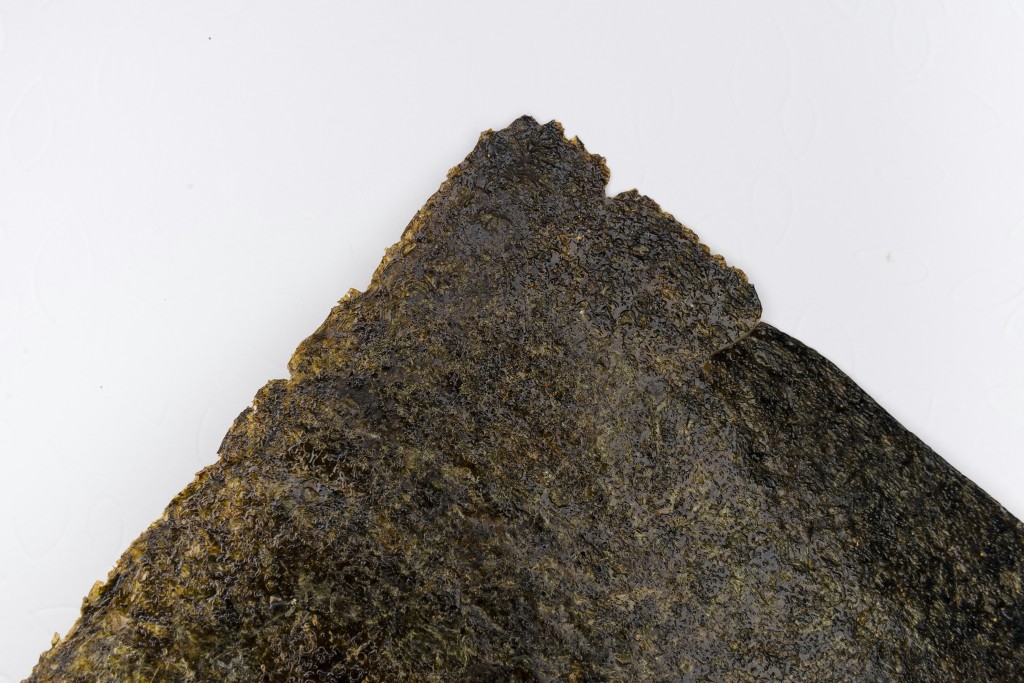
Nori (dried seaweed) is a popular snack for many, but it may conceal the hidden danger of heavy metal contamination. A nutritionist warns that long-term consumption of contaminated nori could lead to 4 major health effects, including damage to the kidneys and brain. How can you choose nori safely to eat with peace of mind?
Nutritionist Ko Man-man posted on her Facebook page that nori is a type of seaweed. While growing in seawater and absorbing nutrients and minerals, it may also adsorb environmental pollutants such as cadmium, inorganic arsenic, and lead from the surrounding water. The amount adsorbed is closely related to the harvesting waters and processing methods. Once heavy metals enter the human body, they are difficult to metabolize and excrete quickly. If consumed repeatedly over the long term, they can gradually accumulate in the body, placing a significant burden on multiple systems:
4 Health Impacts of Heavy Metals in Nori
- Increased Kidney Burden: The kidneys are the body's primary detoxification organs. Long-term exposure to heavy metals may reduce the kidneys' metabolic and detoxification efficiency, increasing their burden. The impact is more pronounced in individuals with pre-existing weak kidney function.
- Weakened Bone Support: Some heavy metals can interfere with the body's absorption and utilization of calcium. Over time, this may affect bone health and structural support. Elderly individuals or those with inadequate calcium intake should pay special attention.
- Affects Skin Condition and Cardiovascular Circulation: Accumulated heavy metals in the body may increase oxidative stress. This not only worsens skin condition but also increases the burden on the cardiovascular system, potentially leading to poor blood circulation.
- Decreased Concentration: The nervous system is sensitive to certain heavy metals. Long-term exposure may affect focus, reaction time, and learning performance. For growing children and adolescents, it is especially important to strictly control the source and intake of nori.
3 Tips for Choosing Nori Safely: Avoid Nori with 3 Abnormal Signs
Ko reminds that nori itself is rich in iodine. Excessive intake may affect thyroid function, so it is advisable to eat it in moderation. To help everyone eat more safely, she shares 3 practical tips for selecting nori:
- Choose reputable brands with clear labeling: Purchase products with clearly marked origin, source, and testing information for greater peace of mind.
- Avoid sticking to a single brand long-term: Regularly rotate between different brands of nori to help diversify and reduce the risk of heavy metals accumulating from a single source.
- Pay attention to smell and appearance: If, upon opening the package, the nori has a pungent chemical smell, an off-odor, or an abnormal color, it is best to avoid eating it.