A joint study by the Chinese University of Hong Kong (CUHK) and the University of Illinois Urbana-Champaign (UIUC) has found that vegetation recovery rates after sudden permafrost collapse differ dramatically by region, ranging from less than a decade to over a century.
The findings, published in the international journal Nature Climate Change, identify gross primary productivity —a measure of plants’ photosynthetic capacity—as the key factor determining how quickly damaged landscapes can regrow, enabling scientists to accurately predict recovery timelines for specific sites.
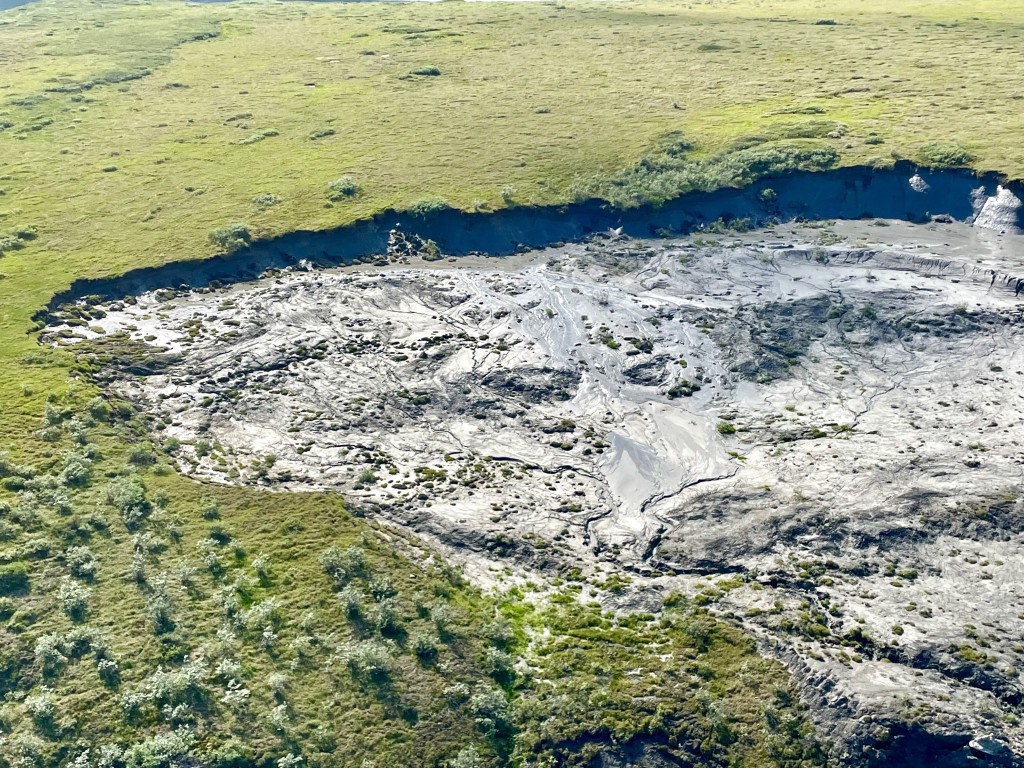
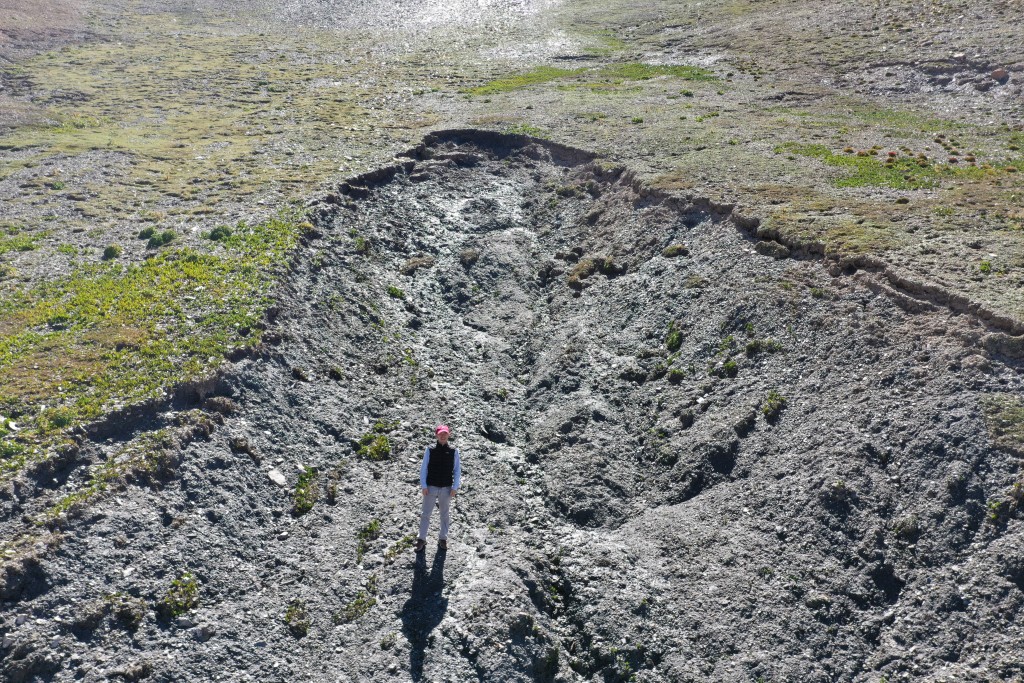
Led by CUHK professor at the Department of Earth and Environmental Sciences Liu Lin, UIUC professor of plant biology Mark Lara, and CUHK postdoctoral researcher Summer Xia Zhuoxuan, the study focused on retrogressive thaw slumps– sudden, mudslide‑like collapses from melting ground ice that strip vegetation and release soil carbon.
Liu noted that these events reshape Arctic and high‑altitude landscapes, and understanding vegetation recovery is vital for predicting long‑term ecosystem and carbon‑cycle impacts. About 5 percent of global permafrost (roughly 905,000 sq km) is affected. It will also help examine whether they will worsen or mitigate climate change.
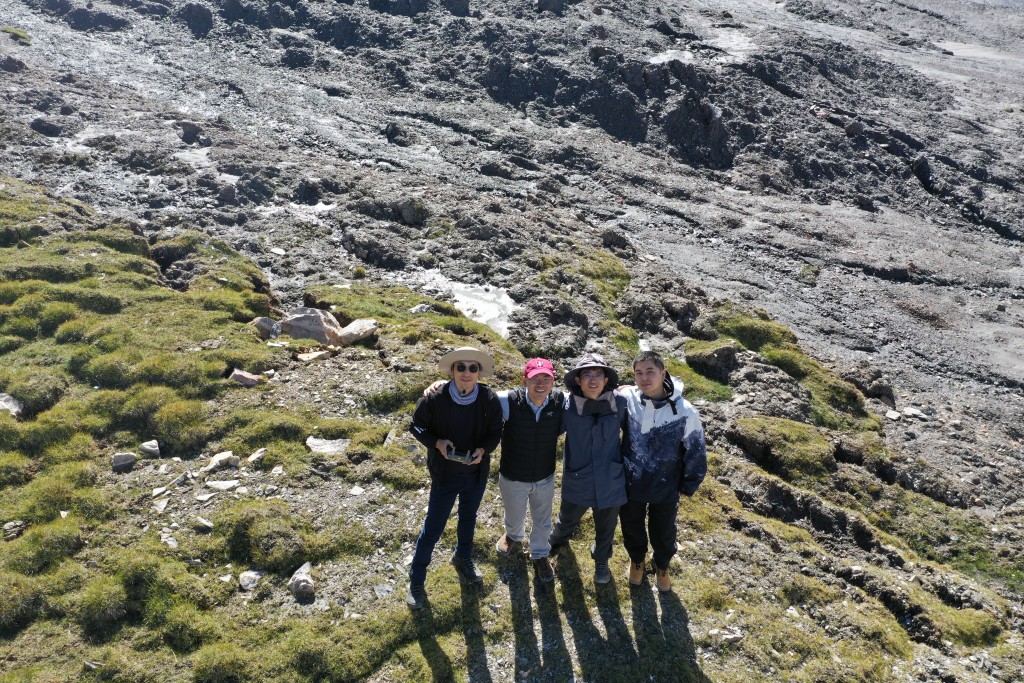
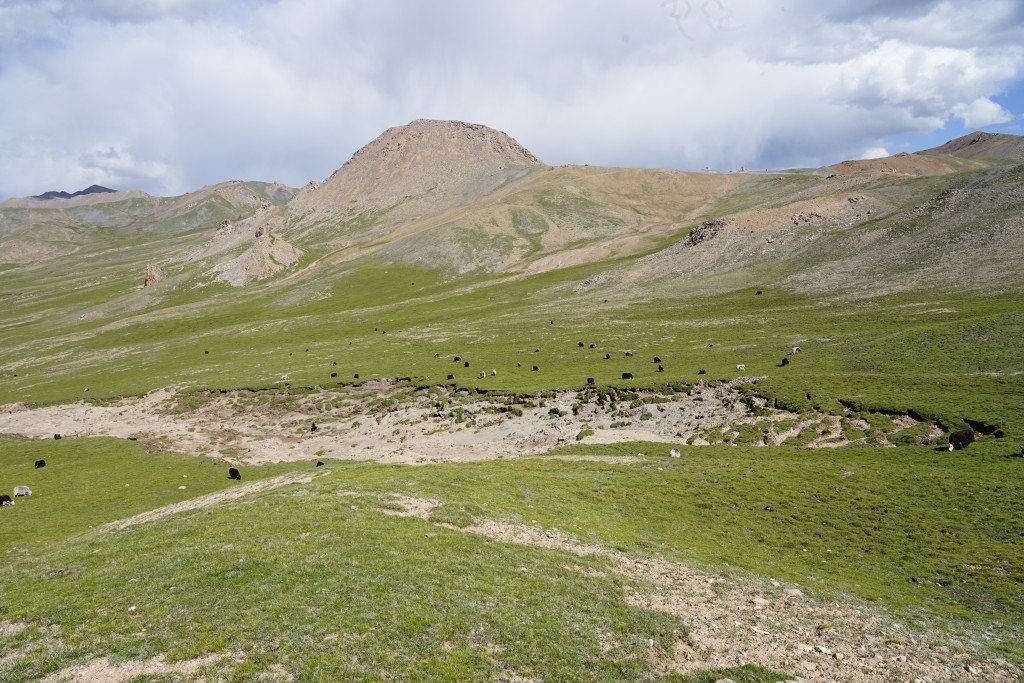
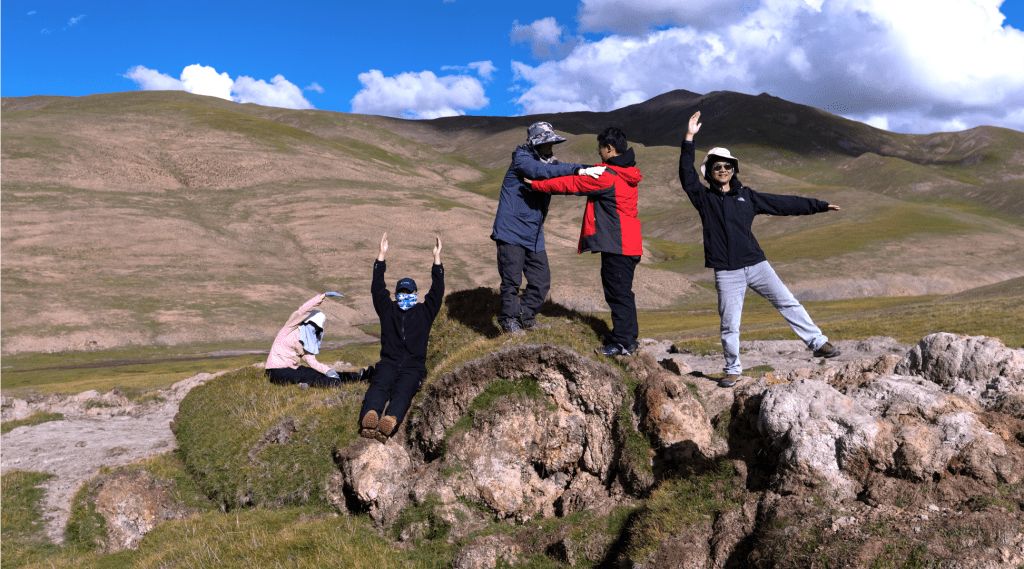
To uncover these patterns, the research team combined decades of satellite observation data with drone aerial surveys to analyze vegetation recovery across eight permafrost regions, including Alaska, northern and northwestern Canada, Siberia, and the Qinghai-Tibet Plateau.
By tracking changes in surface greenness, the team reconstructed recovery timelines following thaw slumps, comparing processes across different climatic and ecological conditions.
The research found that low-latitude Arctic areas can restore vegetation cover in about 10 years, while high-latitude Arctic and high-altitude regions may take several decades or even more than 100 years to recover.
Even when vegetation appears visually recovered, the researchers added, its composition and diversity often change and are unlikely to return to their original state quickly. Shrubs in affected areas, however, tend to rapidly cover disturbed land, stabilizing soil and enhancing carbon absorption potential.