





Read More



John Lee and CY Leung lead pallbearers for Tung Chee-hwa
20-09-2026 15:54 HKT

Law Society proposes allowing solicitors to be appointed Senior Counsel
21-09-2026 01:56 HKT


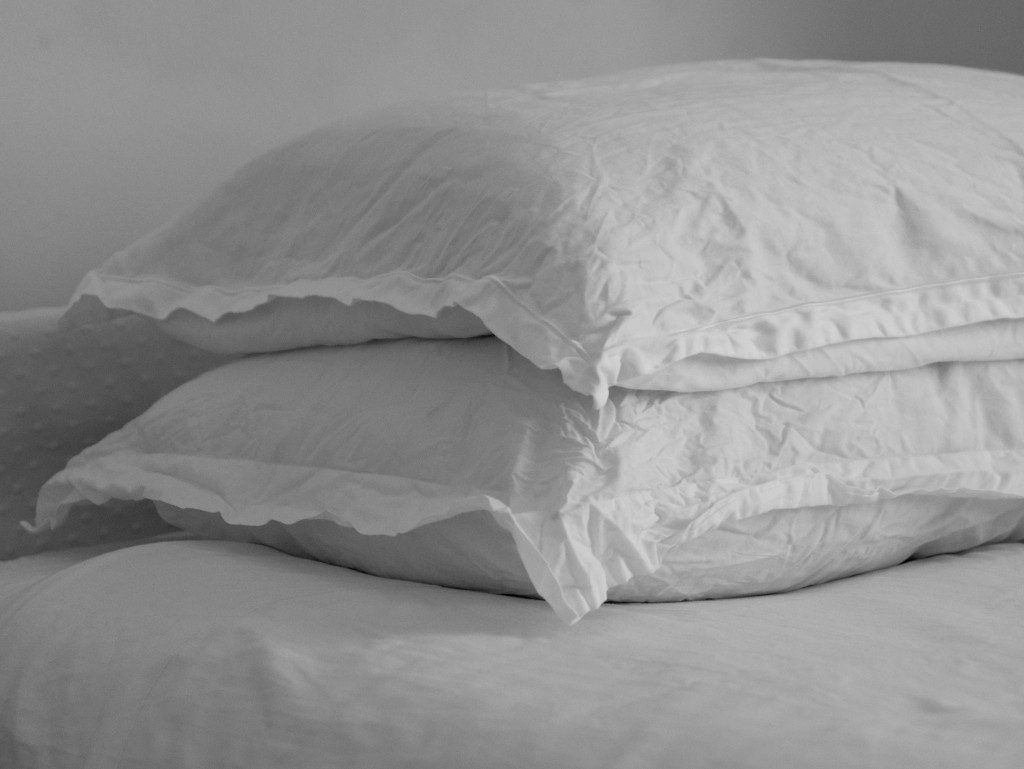
Regularly changing pillowcases, sheets, and duvet covers is considered good hygiene for most people. However, experts warn that the dirtiest part of the bed is actually the pillow core, which may harbor millions of pathogenic fungi capable of triggering health issues like allergic rhinitis and asthma. How should pillow cores made of different materials be cleaned?
According to mainland Chinese media Life Times, pillows are items we come into close contact with every night. Dust, dander, and oils from hair and skin accumulate on them over time. Guo Wei, Chief Technologist in the Laboratory Medicine Department at Zhongshan Hospital, Fudan University, points out that a pillow core used for over a year may have up to 1/10 of its weight composed of a mixture of sweat, dander, oil, and dust, undeniably making it a breeding ground for dust mites, fungi, and bacteria:
Dust mites are the most common "residents" in pillow cores. They feed on human dander and thrive in warm, humid environments. Every night, the dander shed from the scalp and face provides them with an endless food source. If you only change the pillowcase regularly without cleaning the pillow core, you are essentially sleeping on a dust mite nest.
A study from the University of Manchester in the UK warns that pillow cores used for more than 1.5 years contain millions of fungal spores, such as Aspergillus and Penicillium. Furthermore, multiple studies have found that a pillow used for just six months can have levels of bacterial contamination that exceed those found on a coin that has been in circulation for five years.
Sweat and oils released by the body each night constantly seep into the pillow core. Over time, this causes the core to yellow and harden, becoming a culture medium for bacteria and mold. Compared to women, men have higher levels of androgens, leading to more active sebaceous glands and greater oil secretion. This explains why men's pillows typically yellow more easily.
Reports indicate that many people assume a dirty pillow core might only cause a few pimples on the face, but the reality is far more serious. The following health problems can arise:
Guo Na, an expert from the Beijing Cleaning Industry Association, states that pillow cores are not disposable items, but cleaning methods depend on the material. Cleaning them incorrectly can ruin the core immediately, while cleaning them correctly can extend their lifespan for years. She teaches 5 cleaning methods based on pillow core materials:
Common synthetic fiber pillow core materials include polyester, soybean fiber, and pearl cotton. As they are not easily deformed, they can be hand-washed or machine-washed with warm water and mild detergent. If using a machine, place the core in a laundry bag. After washing, dry quickly or spin dry.
Down pillow cores are delicate; improper washing can easily damage the inner down, so hand washing is best. Soak the core in warm water for 20 minutes, then add a small amount of mild detergent or down cleaner and hand wash. Try to avoid detergent residue, which can affect the down's loft. After washing, do not wring out forcefully. Instead, place the pillow between two towels and press repeatedly to absorb moisture. Then dry flat in a well-ventilated, shaded area. Once dry, shake and pat the pillow to fluff the down and prevent clumping. If using a dryer, select the down jacket or gentle drying mode for low-temperature heat or air fluff.
Many brands label latex products as "non-washable," primarily because latex absorbs a significant amount of water when submerged, and excessive pulling during cleaning can damage it. In fact, natural latex, a hydrocarbon polymer, is sensitive to high temperatures and UV light (which accelerate aging), but gentle hand washing is fine. It is recommended to hand wash with cool water, following the same principle as down pillows to protect the internal material.
When washing, submerge the latex core flat in a basin with detergent, pressing repeatedly to clean. Rinse thoroughly with clean water. After washing, the latex core will be saturated with water and significantly heavier. When lifting, avoid grabbing just a corner; instead, use both hands to support it. As latex is sensitive to high heat and sunlight, dry by pressing gently with a towel to absorb moisture, then place in a shaded, well-ventilated area to air dry.
Memory foam pillows are made of slow-rebound material designed to conform to and support the head, neck, and shoulders. To maintain their structure and material properties, washing is not recommended. Memory foam cores have some inherent antimicrobial and anti-mite properties. For cleaning, use a vacuum cleaner or an upholstery cleaner for dusting and mite removal.
This includes pillows filled with buckwheat hulls, cassia seeds, and other plant materials. Water washing is strictly prohibited; focus on moisture prevention and pest control. Periodically empty the filling and expose it to sunlight. Ideally, replace the inner filling entirely.
Pillow cores should not be used for too long without replacement. Generally, latex and memory foam cores have a longer lifespan of about 3 to 5 years, though they may gradually harden or flatten due to oxidation. Down and synthetic fiber cores are recommended for replacement every 1 to 2 years, as they otherwise tend to clump and lose elasticity. Plant-filled cores are best replaced yearly, or the entire pillow replaced every 1 to 2 years. On sunny days, air pillows in a well-ventilated area to utilize UV light for sterilization and mite control.