Hong Kong is currently affected by the humid "回南天" (southernly damp weather), causing many homes to experience water seepage and mold growth on walls and ceilings. The Hong Kong Observatory forecasts persistent rain for the next 8 days, with relative humidity reaching as high as 95%, which will undoubtedly exacerbate mold problems. Chemistry PhD K Kwong reminds us that besides affecting aesthetics, inhaling mold spores long-term can harm the immune and nervous systems. He teaches how to use a common household item to quickly eliminate mold and protect family health.
According to the latest forecast from the Hong Kong Observatory, a strong easterly airstream will affect the Guangdong coastal region over the weekend, bringing scattered showers to the South China coast. From February 27 to March 8, the relative humidity is expected to reach up to 95%. This means living environments will be in a prolonged state of dampness, potentially becoming a breeding ground for mold.
Kwong previously shared on his Facebook page that wall mold is a common indoor microorganism, particularly prone to growing in warm, damp environments such as bathrooms, kitchens, and poorly ventilated rooms. Mold spores are naturally floating in the air. Once they come into contact with moisture, they begin to grow, producing black hyphae as they mature, leading to unsightly black spots on walls and ceilings.
Alcohol Doesn't Work? Expert Teaches "Diluted Bleach" for Fast Mold Removal
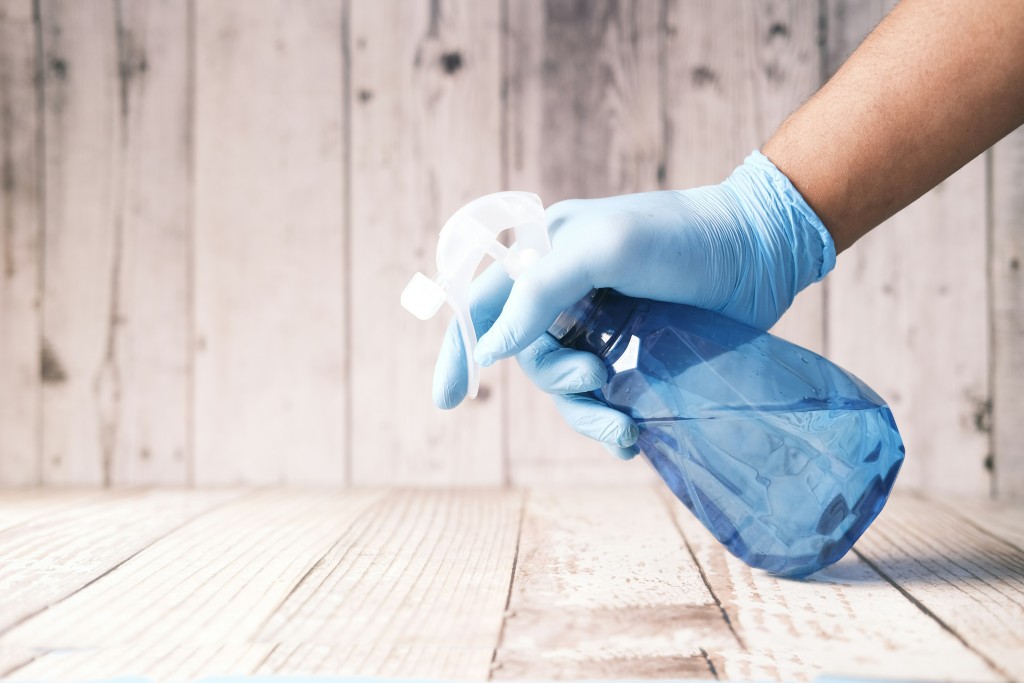
When dealing with wall mold, alcohol is actually not very effective. Kwong shares a simple and effective cleaning method using common household bleach to quickly kill mold and remove black hyphae and toxins:
Fast Mold Removal – Cleaning Steps
- Prepare Bleach Solution: Dilute bleach with water at a ratio of 1:49, i.e., mix 10 ml of bleach with 0.5 liters of water. If the smell of bleach is too strong, you can use color-safe bleach (oxygen bleach) as an alternative.
- Dampen a Cloth: Soak a cloth in the diluted bleach solution.
- Wipe Affected Areas: Thoroughly wipe the blackened areas on the wall.
- Treat Early: It's best to clean the walls at the initial stage of blackening to prevent spores from penetrating deeper into the wall.
He explains that when the proteins in the mold come into contact with bleach, they are immediately destroyed. Simultaneously, the black hyphae are oxidized by the bleach, causing their color to fade and achieving a cleaning effect.
Fast Mold Removal – Air Purifiers Can Help Alleviate Symptoms
Kwong specifically reminds everyone to pay attention to safety during cleaning:
- Wear a mask to avoid inhaling mold spores and bleach fumes.
- Ensure good ventilation to maintain air circulation and reduce the accumulation of chemicals.
If allergic reactions such as persistent itching or nasal sensitivity occur after walls become blackened, he suggests considering the use of an air purifier equipped with a HEPA filter. This can help alleviate allergy symptoms and improve indoor air quality.
Mold Hazards Cannot Be Ignored: Long-Term Inhalation Can Damage the Nervous System
Many people think blackened walls only affect aesthetics. K Kwong emphasizes that the health threat from mold is far greater than imagined. Mold spores and their metabolites can trigger various allergic reactions, including:
- Respiratory Symptoms:
- Persistent cough
- Frequent sneezing
- Nasal congestion
- Itchy throat
- Skin Problems:
- Skin sensitivity
- Eczema onset or worsening
Kwong points out that some molds produce toxic metabolites (mycotoxins). If inhaled over the long term, they can affect immune function, damage the nervous system, and even lead to organ dysfunction. High-risk groups such as immunocompromised individuals, the elderly, children, and asthma patients (inhaling spores can worsen symptoms) need to be especially vigilant. Therefore, upon discovering mold on walls, it should be dealt with promptly and not taken lightly.